
Barren County woman writing the next chapter of Nobob’s history
A book expected to be published later this year aims to preserve more than four decades of Nobob’s history through the recollections of a native resident.
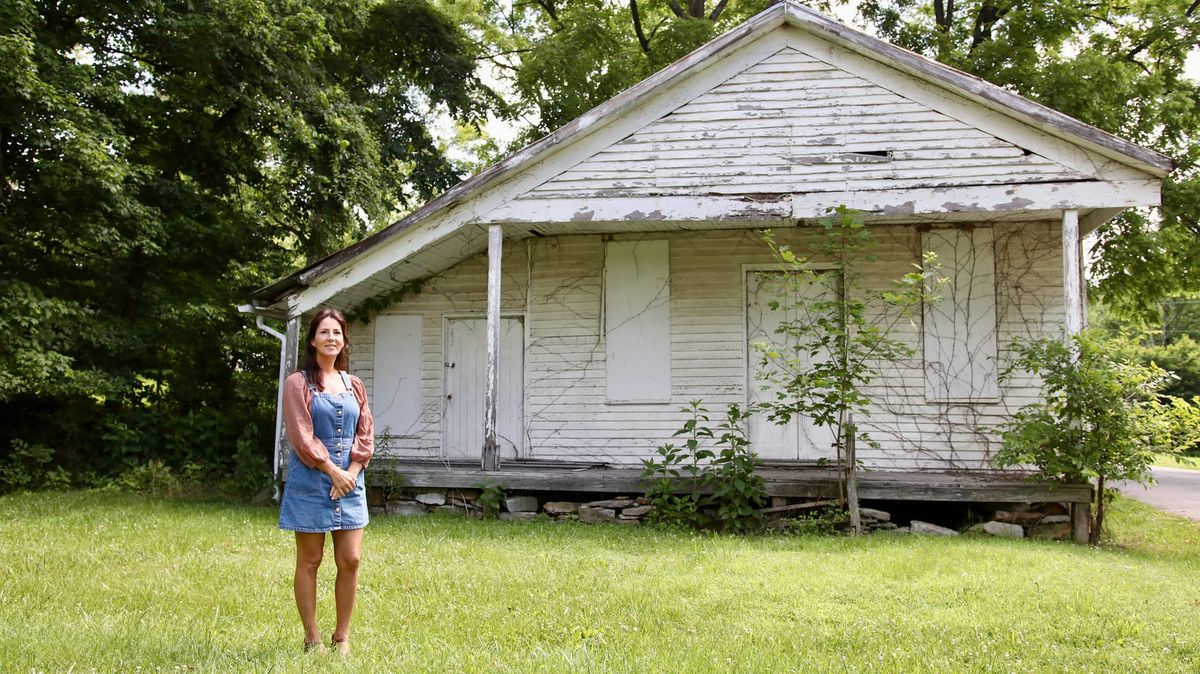
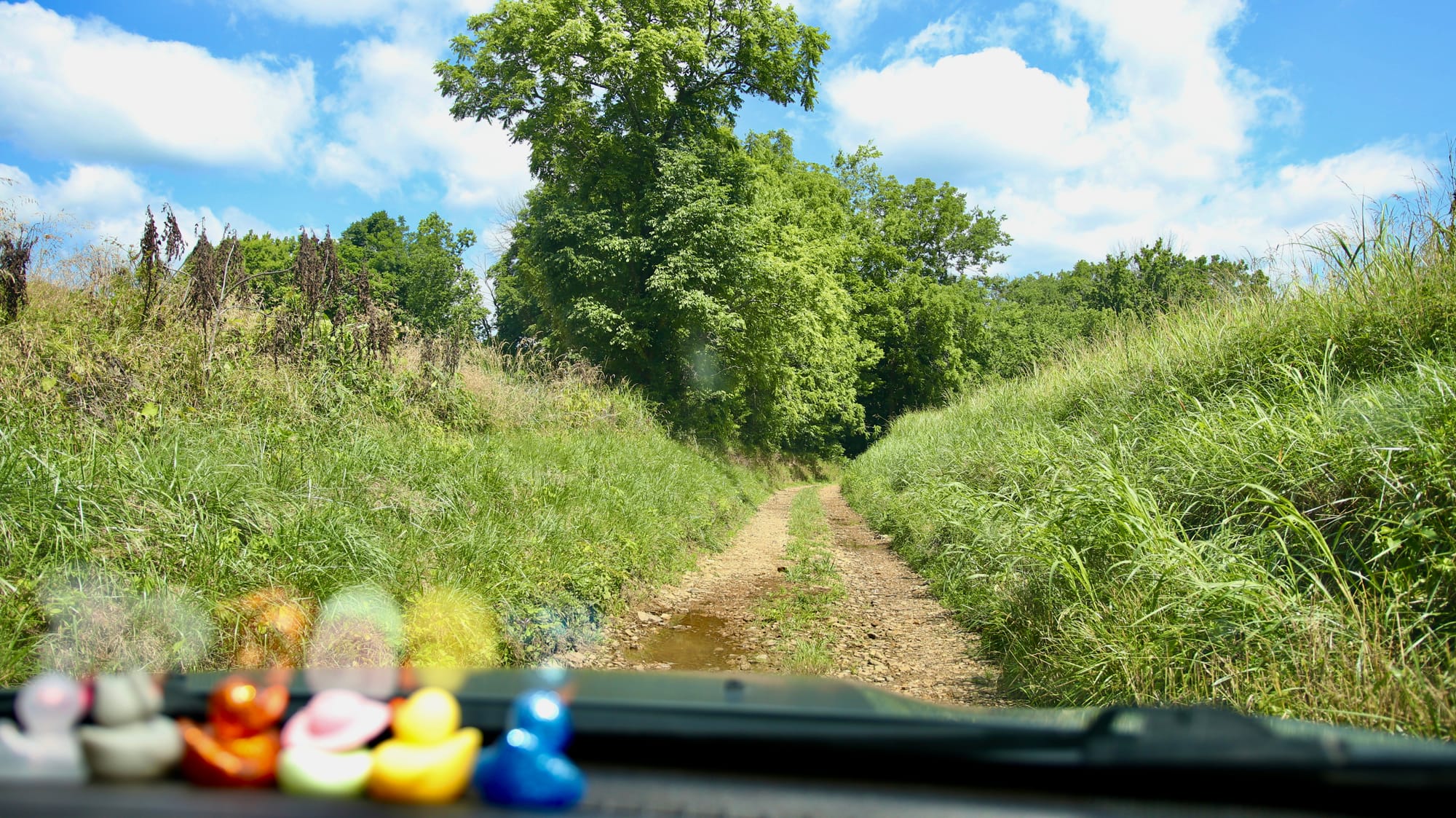
NOBOB, Ky. — On a quiet gravel road where fireflies, or “lightnin’ bugs,” as locals call them, rise from the grass on summer evenings, Jennifer Walker-Moonsong likes to bring her son for walks.
“I like that he can essentially stand where his great-grandfather stood and it not be very different,” she said of Tom Word Road.
For Walker-Moonsong, those evenings are a reminder of the deep roots that generations of Nobob families have planted in the rural Barren County community.
While much of Nobob has changed over the years, she believes the stories of the people who built it do not have to disappear with it.
That belief inspired her to begin writing “Home in Nobob: Recollections of Nobob Families from the Last Century,” a book that aims to preserve the stories of the people who have called the community home over the past several decades.
Walker-Moonsong said she hopes to complete the book by the end of the year.
The idea began after Walker-Moonsong realized how little of Nobob’s recent history had been documented. The disappearance of a familiar sign only reinforced that concern.
“It’s truly one of the oldest places in the county to just have no record,” she said. “Once I realized the sign was gone, I started looking to see what the last written thing about Nobob was.”
Her search led her to Western Kentucky University’s archives, where she found “No Bob Yet: A Collection of Narratives from Nobob, Kentucky,” a master’s thesis completed by Keith Ludden in 1981 under the direction of renowned folklorist Lynwood Montell.
The project documented oral histories recorded from Nobob residents between 1977 and 1978 and preserved stories from many of the community’s older generations.
Walker-Moonsong, who was born the same year the thesis was published, realized nearly every year of Nobob’s story since then had gone largely undocumented.
“I have 45 years of an undertaking here to get the memories of people that are here now because if we don’t, what will happen?” she said.
She hopes her book will build on that earlier work, preserving the memories of the generations that followed while helping younger residents better understand the place they call home.
A personal connection
Walker-Moonsong was born into one of Nobob’s best-known families.
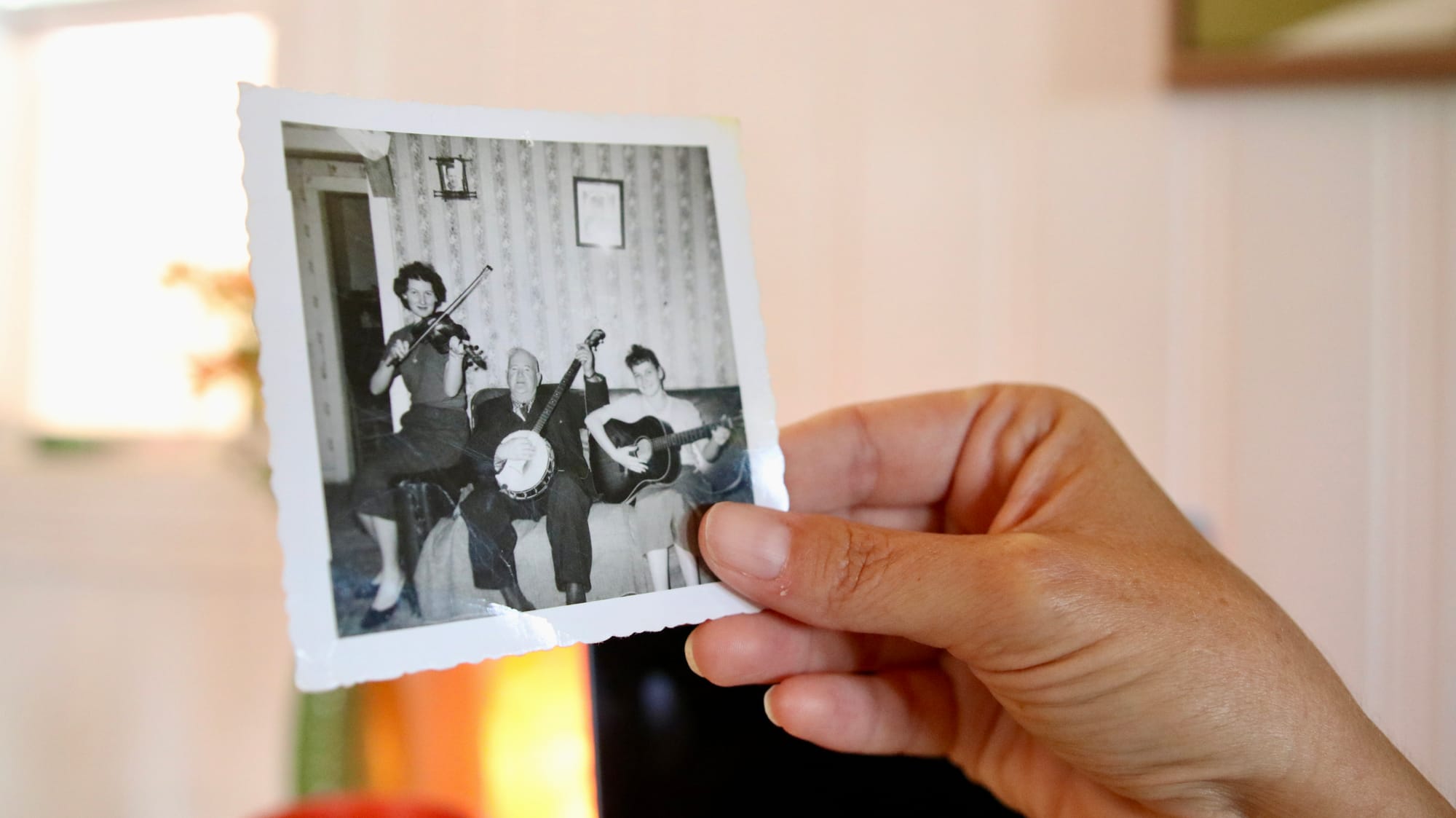
The Walkers were musicians and entertainers in the farming community, and generations of her family have called the area home.
About two years ago, she returned to Nobob with her son, and as she settled back into the community, she found herself looking at familiar places with a renewed appreciation.
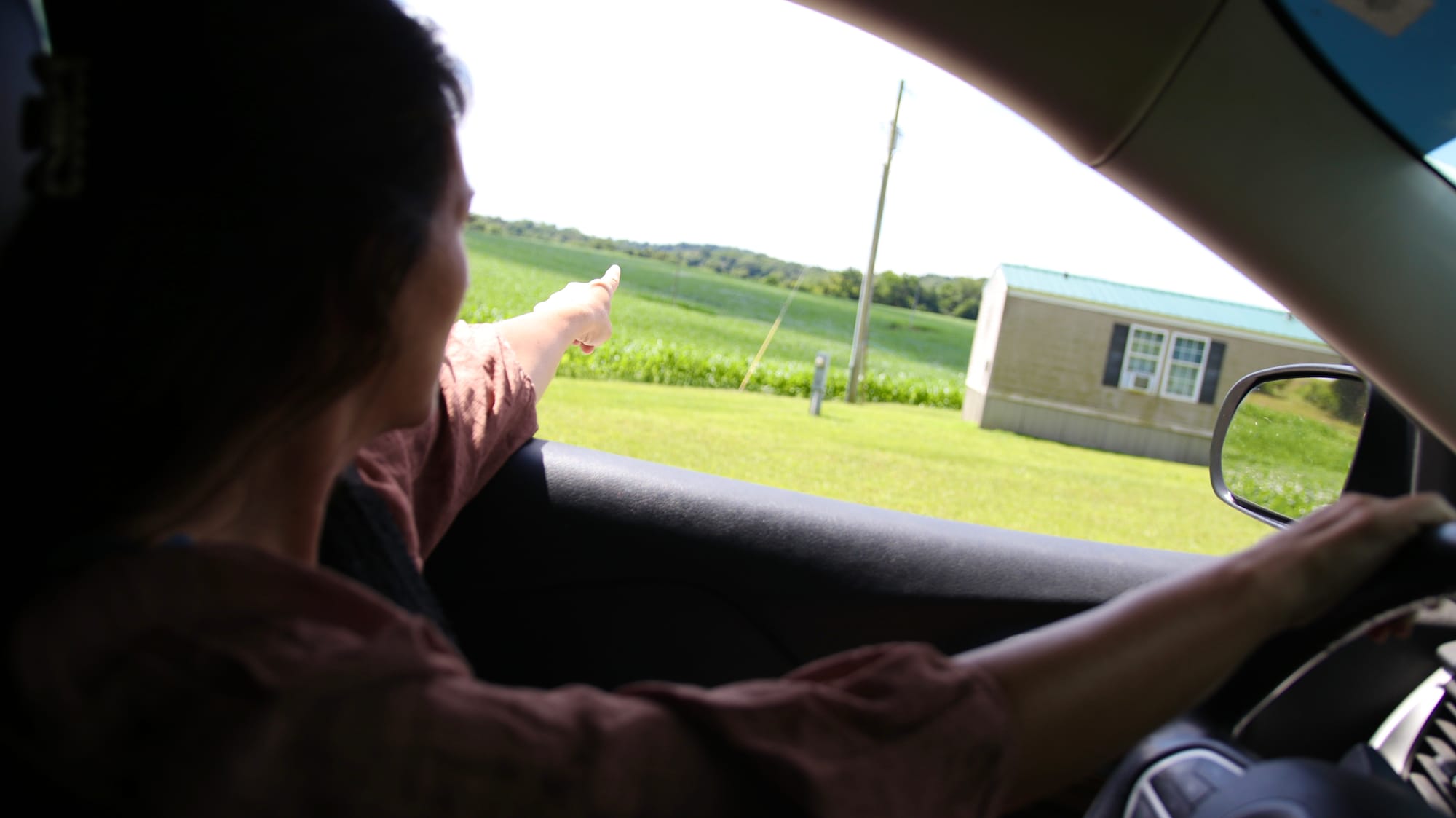
On a sweltering June afternoon, she points out Nobob’s history one landmark at a time while winding along the narrow roads that crisscross southeastern Barren County.
To many people, the rolling fields of corn and pasture may look like little more than productive farmland. To Walker-Moonsong, every hill and hollow tells the story of the families who settled there.
“This was all predominately Walker land, which had also been Wilburn land,” she said, pointing across the landscape. “It was the Wilburns and the Walkers that intermarried. And then down here, in this bottom, is the Word land. They, of course, have been here as long as the rest of us.”
Walker-Moonsong said nine families formed the backbone of modern Nobob: the Smiths, Wileys, Wilburns, Walkers, Words, Millers, Lawsons, McPhersons and Birges. Several families originally settled along Nobob Creek.
As she continues driving, she points to fields where homes once stood, houses now hidden by thickets and woods and cemeteries where generations of her family are buried. In one Walker cemetery, the oldest legible gravestone dates to 1793, five years before Barren County was established.
Today, Nobob is a quiet farming community about 13 miles south of Glasgow, but it was once among the county’s most important communities.
“Nobob’s heyday was prior to the Civil War. It was booming. It was bigger than Temple Hill,” Walker-Moonsong said. “It was bigger than Tompkinsville. There were two hotels, a restaurant, a couple of stores, a lumber mill, a grist mill.”
The community was also home to one of Barren County’s earliest schools, while hotels, blacksmith shops and businesses served residents throughout the surrounding countryside.
But Walker-Moonsong said Nobob was about more than commerce.
“There was always music and food,” she said.
Music was woven into her own family’s history. The Walkers were known for entertaining throughout the community, and after long days of farm work, neighbors would gather to dance while the family played.
“There would be dust flying in the air because people would be dancing,” she said.
Walker-Moonsong said Nobob’s influence stretched beyond agriculture, producing musicians, educators, writers and local historians whose contributions reached far beyond the community itself.
Like many rural communities, Nobob has changed over time. New families, including an Amish community that began settling there about 11 years ago, have become part of its landscape while reminders of the past continue to disappear.
Perhaps no place symbolizes that change more than the old Nobob store.
Sitting vacant at the corner of Ky. 839 and East Nobob Road, the building once served as the heart of the community. A simple black-and-white sign stretched across its front, identifying the crossroads as Nobob.
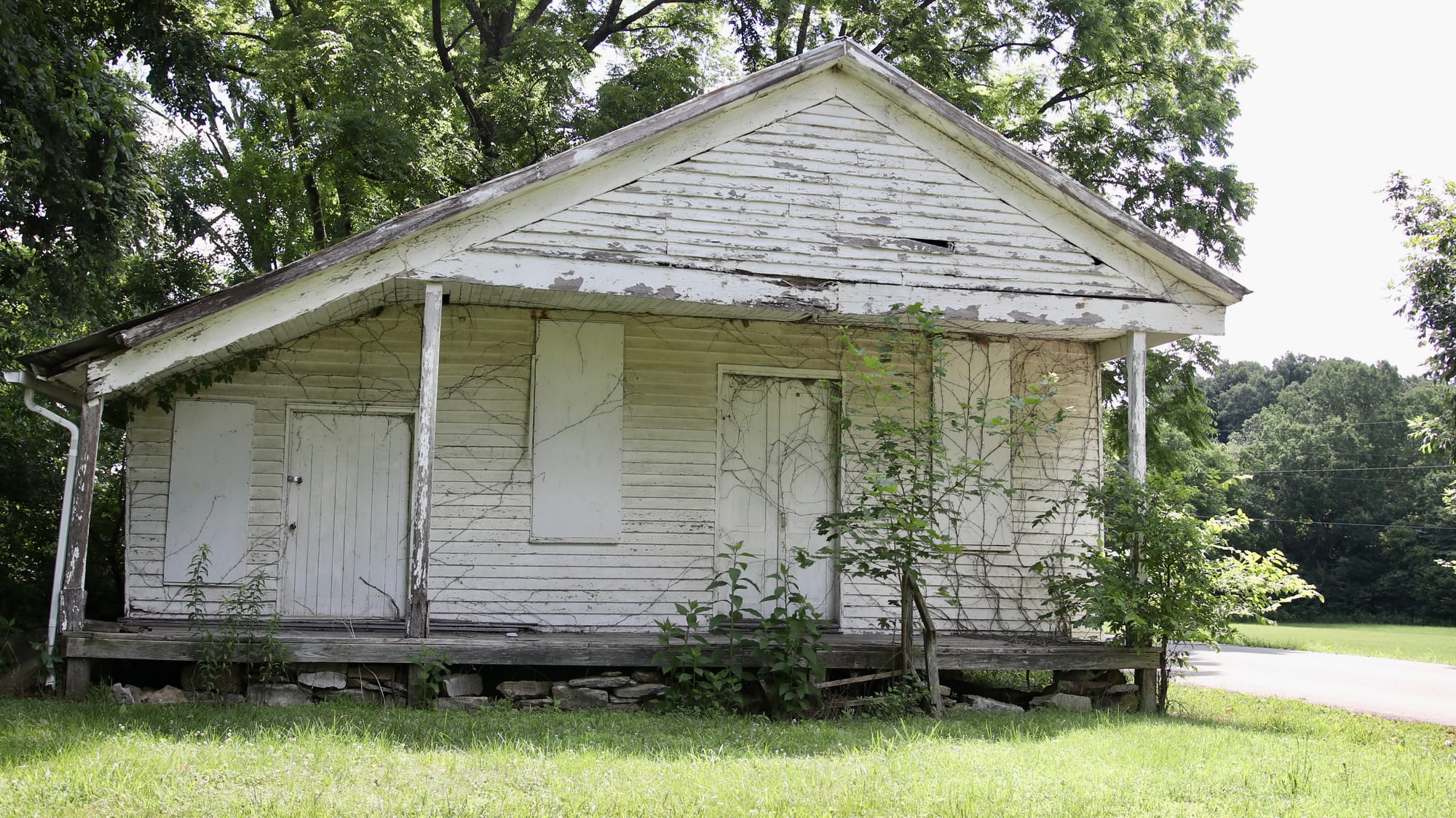
The store remained open into the mid-20th century and even drew an NBC television crew for a feature about the community in the 1980s.
Today, the sign is gone.
“It’s just sad to look at this and think there’s nothing that even tells you,” Walker-Moonsong said. One of her goals is to see a state-maintained sign once again identify the community.
Keeping legend and history alive
Even Nobob’s unusual name comes with its own legend.
According to local lore, a survey party member named Robert became separated from his companions while exploring the area and was never seen again. As the story was passed down through generations, the area became known as “No Bob,” a name that eventually became Nobob.
The community’s first post office was established in 1854 and remained in operation until 1936, when rural mail delivery began.
For Walker-Moonsong, preserving those stories is deeply personal.
“I, of course, have a very sentimental place in my heart for Nobob because it’s my home,” she said.
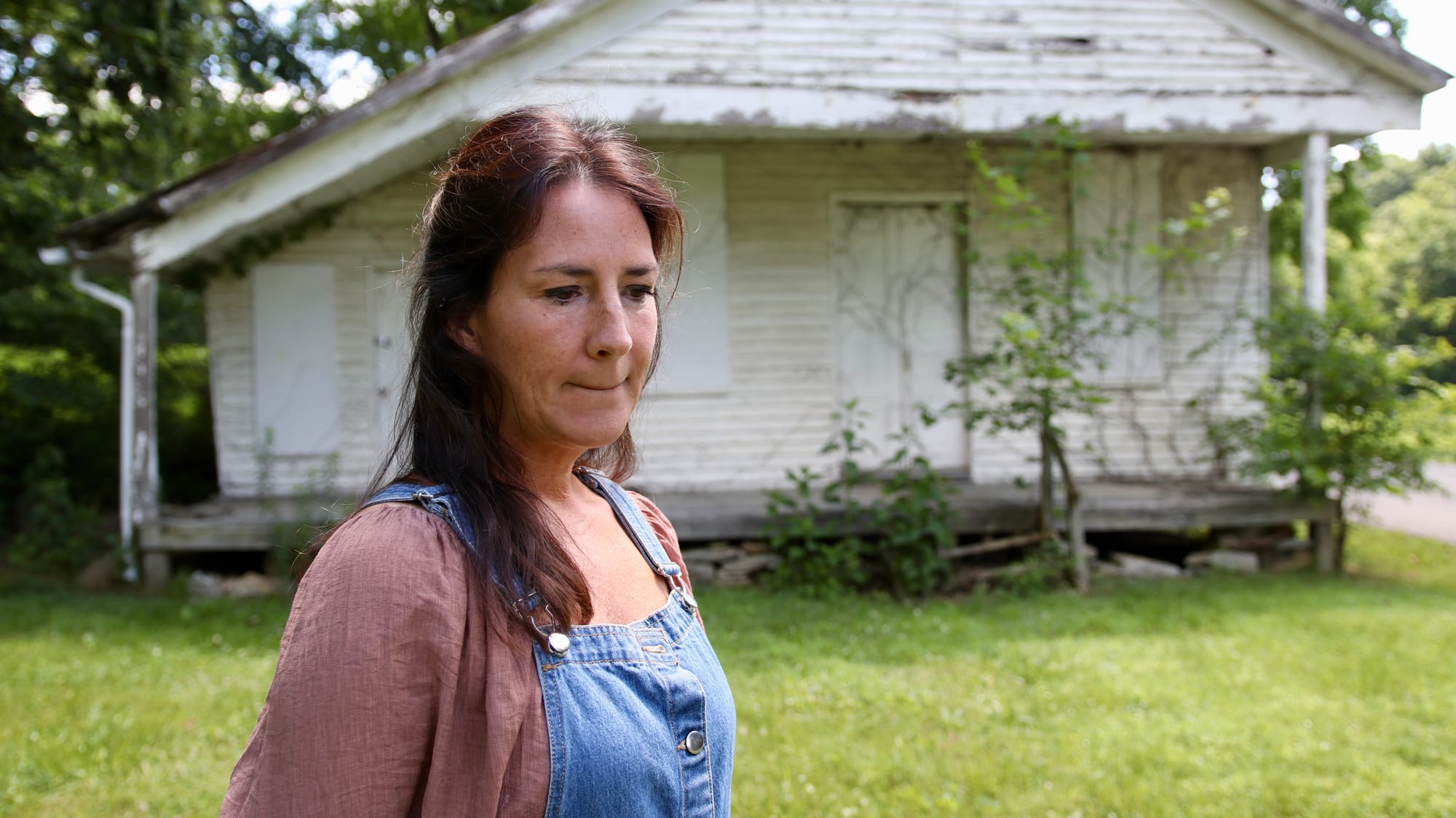
She hopes “Home in Nobob: Recollections of Nobob Families from the Last Century” will ensure that future generations understand the people, places and traditions that shaped the community long after those who remember them are gone.
As long as her son can still walk the same road his great-grandfather once walked, Walker-Moonsong hopes he will also know the stories that made Nobob more than a place on a map. To her, it will always be home.
Jennifer Walker-Moonsong will share stories from Nobob’s colloquial history during a presentation hosted by the Barren County Historical Society on Aug. 27.
The program begins at 6 p.m. at the South Central Kentucky Cultural Center, 200 W. Water St., Glasgow.