BRASS: For domestic violence survivors, safety can take years
Founded in 1980, the nonprofit serves the Barren River Area Development District, which includes 10 counties.

NEED HELP? If you or someone you know is experiencing domestic violence, free, confidential support is available 24 hours a day through Barren River Area Safe Space (BRASS). Call the crisis line at 1-800-928-1183. BRASS cannot provide crisis support by email or through its website.
BOWLING GREEN, Ky. — One woman renewed her protective order every three years for more than 20 years, afraid of what might happen if she stopped.
She stopped only after her abuser died.
“That was the only way that she knew she would be safe is that he was no longer on this plane of existence,” said Tori Henninger, CEO of BRASS, a domestic violence service provider serving 10 counties across South Central Kentucky.
The story reflects a reality that can be difficult for people outside an abusive relationship to understand. The fear does not necessarily end when the abuse stops, and leaving does not always mean a survivor is safe.
“All domestic violence, all intimate partner violence, is rooted in power and control,” Henninger said.
That control can take many forms, including physical violence, emotional manipulation and financial abuse. Together, they can make it difficult for someone to leave, even when their safety is at risk.
The cycle that keeps survivors trapped
People looking at an abusive relationship from the outside may wonder why someone stays or returns.
Henninger said that view can overlook the relationship that existed before the abuse, as well as periods when an abuser apologizes and promises to change.
Those periods, sometimes called the “honeymoon phase,” can make leaving more complicated.
“We have to recognize the cycle of domestic violence includes the honeymoon phases, where there's lots of apologies and I'll be betters and I'm going to change,” she said. “As that cycle continues, every step gets harder and harder.”
Survivors may also live in constant anticipation of the next incident.
“For some of them, the waiting for it to occur is as traumatizing as the actual abusive incident itself,” Henninger said.
Some survivors have described starting an argument to bring on the abuse rather than waiting for tension to build. Henninger said those actions can be attempts to manage a situation in which the survivor has little control.
“They are trying to do the best they can in an uncontrollable situation for them,” she said.
Leaving can bring new risks
Leaving an abusive relationship does not always bring immediate safety.
Henninger said the risk of severe violence, including homicide, can increase when a survivor tries to leave. Survivors may also worry about the consequences for their children, family members and others around them.
Those realities complicate a question often asked: Why don't you just leave?
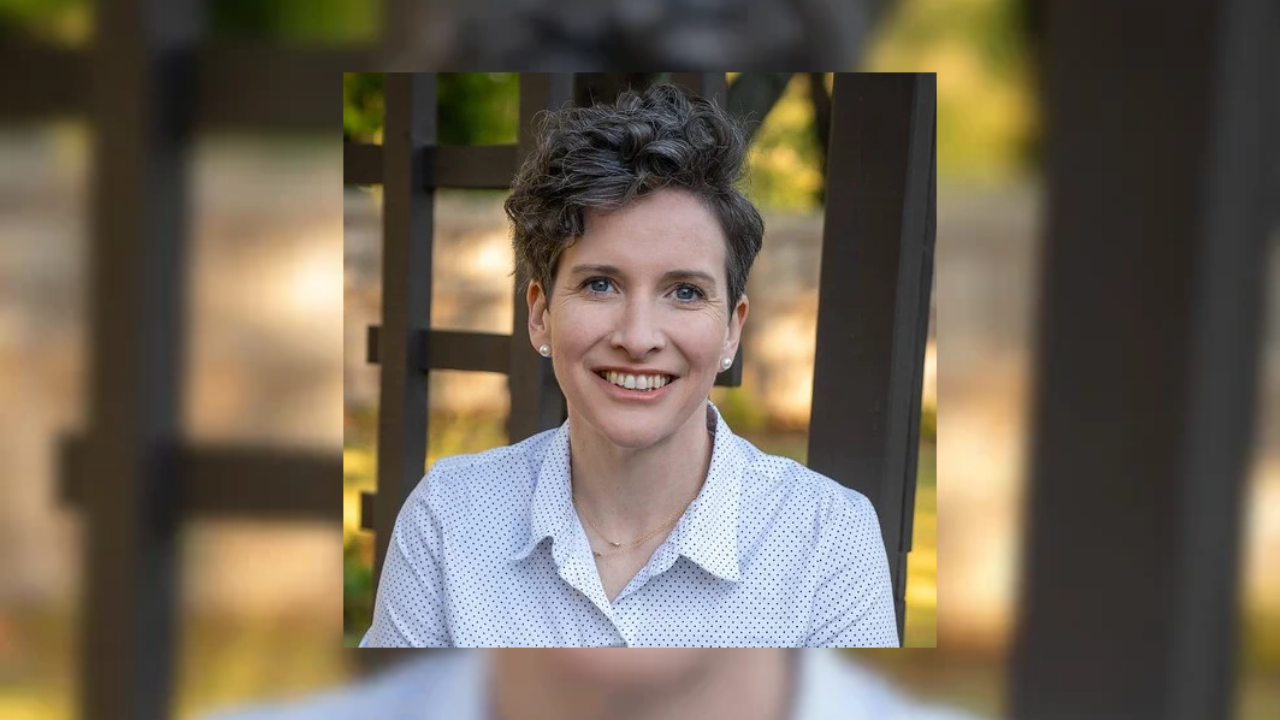
Henninger compared the lasting psychological effects of intimate partner violence to trauma experienced by people who have witnessed war.
“The mental health of survivors is decimated in abusive relationships from the emotional and psychological abuse that they're required to endure to stay alive,” she said.
Financial abuse can create another barrier. Henninger said it is present in almost all domestic violence cases, whether an abuser withholds money or misuses it to maintain control.
Without financial independence, survivors struggle to leave and rebuild their lives.
Help beyond the courtroom
BRASS provides case management, court advocacy, emergency shelter and other support for people experiencing domestic violence and their children.
Founded in 1980, the nonprofit serves the Barren River Area Development District, which includes 10 counties.
In Barren County, representatives work from a local office twice a week, helping people navigate the court process and seek protective orders.
Henninger said court advocacy is one of BRASS' most underused resources.
Advocates can continue working with survivors regardless of whether a protective order is granted. They can also help people who have not filed police reports or sought court protection.
Support may include rebuilding self-esteem, working toward financial independence and exploring options for the future.
During its last fiscal year, BRASS projected it would help 230 people through its nonresidential services in Barren County.
“When you look at that, it's a person every other day,” Henninger said.
BRASS says it serves nearly 3,000 victims each year across its service area. Its 30-bed shelter provides emergency housing for survivors and their children.
Support is available at any time
Henninger said survivors can access free, confidential support day or night through BRASS' crisis line.
“Calling our crisis line completely puts them in the position of power of when they talk to us,” she said.
Seeking help does not have to mean immediately leaving a relationship, filing a police report or going to court. Support can begin with a conversation and a chance to understand the options available.
“We do not have limitless power. We do not have limitless dollars, but we will always do the very best that we can for an individual,” Henninger said.
The woman who renewed her protective order for more than two decades illustrates why survivors need support without judgment, whether they are preparing to leave, navigating the court system or trying to rebuild their lives.
To reach BRASS, call 1-800-928-1183. The crisis line is available 24 hours a day. BRASS cannot provide crisis support by email or through its website.