
Federal appeals court sends Barren County back to court over 2020 jail attack lawsuit
The case stems from an attack at the Barren County Detention Center on Dec. 28, 2020. Aaron Bennett was the jailer at the time.
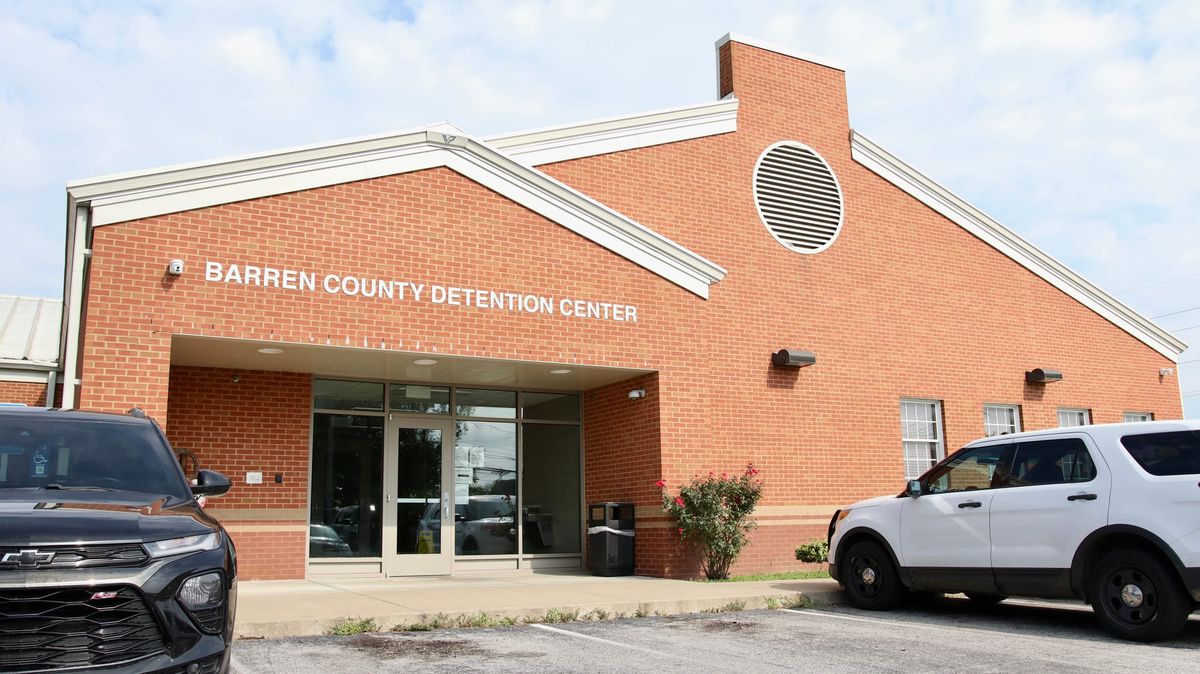
GLASGOW, Ky. — A federal appeals court has sent a lawsuit against Barren County back to a lower court after ruling that the wrong legal standard was used to decide whether the county could be held responsible for a 2020 attack that left a man with permanent injuries.
The ruling by the U.S. Sixth Circuit Court of Appeals does not determine whether Barren County is responsible for the injuries suffered by Luther Poynter.
Instead, the court ordered a federal district court in Bowling Green to reconsider the case using a different standard for deciding whether jail officials failed to protect Poynter from a serious risk of harm.
The case stems from an attack at the Barren County Detention Center on Dec. 28, 2020. Aaron Bennett was the jailer at the time.
Poynter had been held at the jail because he failed to pay child support. He was not serving a sentence for a criminal conviction.
Three days after arriving at the jail, Poynter was placed in a cell with Scotty Wix and Timothy Guess.
According to the appeals court’s opinion, jail video showed that about 90 seconds after Poynter entered the cell, Guess and Wix attacked him.
The two men repeatedly punched Poynter in the head while he was sitting down.
Poynter suffered a traumatic brain injury in the attack. The court said he is now partially paralyzed on his right side, has problems with short-term memory, uses a wheelchair and lives in an assisted-living facility.
Poynter later sued Barren County and jail officials, arguing the jail should have recognized the danger posed by Guess and Wix and should not have housed the three men together.
Jail records showed histories of violence
A major part of the case involves what jail officials knew about Guess and Wix before the attack.
According to the appeals court, their jail records contained 28 incident reports between them before Poynter was attacked.
Guess had attacked cellmates six times, fought with other detainees, threatened others and had several incidents involving jail staff. He had also been restrained and pepper-sprayed.
Wix had also attacked cellmates and had charged at or attempted to attack jail staff.
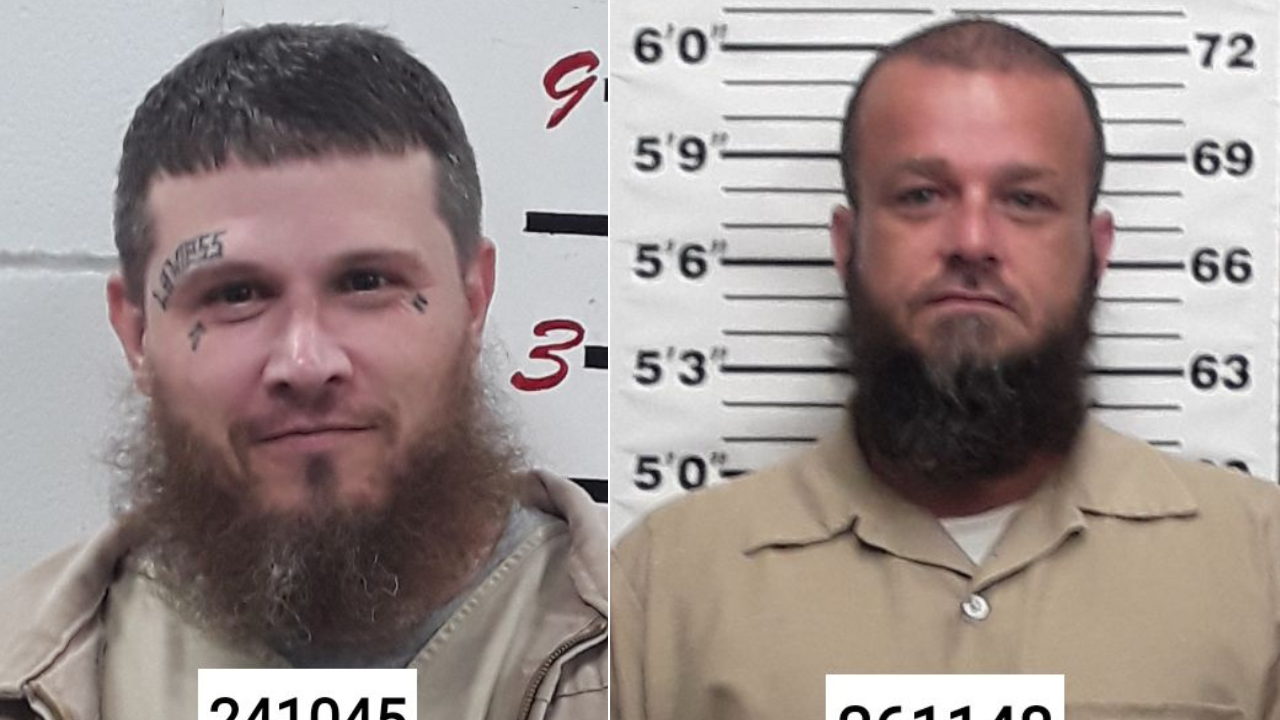
The court said Guess had nearly 30 orders in his jail file requiring him to be kept away from certain other detainees. Wix had nearly 20 such orders.
Poynter had one.
Despite the histories of Guess and Wix, the three men were housed together in a general-population cell.
Poynter’s legal team argued Barren County had a practice of failing to properly consider detainees’ previous behavior when deciding where they should be housed.
The lawsuit also pointed to Kentucky regulations and Barren County’s own policies, which called for jail officials to consider factors such as a person’s behavior and history when classifying and housing detainees.
The county has disputed Poynter’s claims.
Why the case was sent back
The legal question before the appeals court was essentially this: What does Poynter have to prove to show that jail officials violated his constitutional rights by failing to protect him?
The Sixth Circuit’s majority said Poynter must show that jail officials actually knew about a serious risk that he could be harmed and then ignored that risk.
In other words, it is not enough to show that officials should have recognized the danger, according to the majority.
The court relied on a U.S. Supreme Court decision that established this standard for claims involving prison officials and dangerous conditions.
The appeals court also rejected the argument that a later Supreme Court decision involving excessive force changed the standard for cases in which a detainee claims officials failed to protect him from other people.
The Sixth Circuit had previously allowed Poynter’s lawsuit to continue, but the full appeals court agreed to reconsider the case.
In Tuesday’s decision, the court vacated the lower court’s ruling and sent the case back for further proceedings.
That means the case is not over.
The district court will now have to reconsider Poynter’s claims under the standard set out by the Sixth Circuit.
Judge disagrees with ruling
Judge Karen Nelson Moore disagreed with the majority’s decision.
In her dissent, Moore argued the court should have continued using a less demanding standard adopted by the Sixth Circuit in a 2021 case.
Under that approach, Poynter would not have to prove that a jail official actually knew about the danger. He could instead show that the danger was obvious enough that an official should have recognized it and deliberately failed to act.
Moore said that approach was especially appropriate because Poynter was being held for a civil matter rather than serving a criminal sentence.
She also pointed to the evidence surrounding the attack.
Moore noted that Barren County placed Poynter, Guess and Wix in the same cell and that the attack happened about a minute and a half later.
She argued that the evidence about Guess and Wix’s previous behavior could allow a jury to find that the county’s housing practices contributed to Poynter’s injuries.
The majority, however, said the stricter standard must be applied.
The appeals court’s decision does not say Barren County is liable for Poynter’s injuries, and it does not guarantee that Poynter will win his lawsuit.
It means the case will return to federal district court for another look under the legal standard established by the Sixth Circuit.
Read the entire opinion here.