
Glasgow landfill adds up to 65 years of additional capacity
Glasgow has opened a new landfill cell expected to provide an additional 55 to 65 years of capacity while using systems to protect groundwater, manage waste and generate electricity from methane.
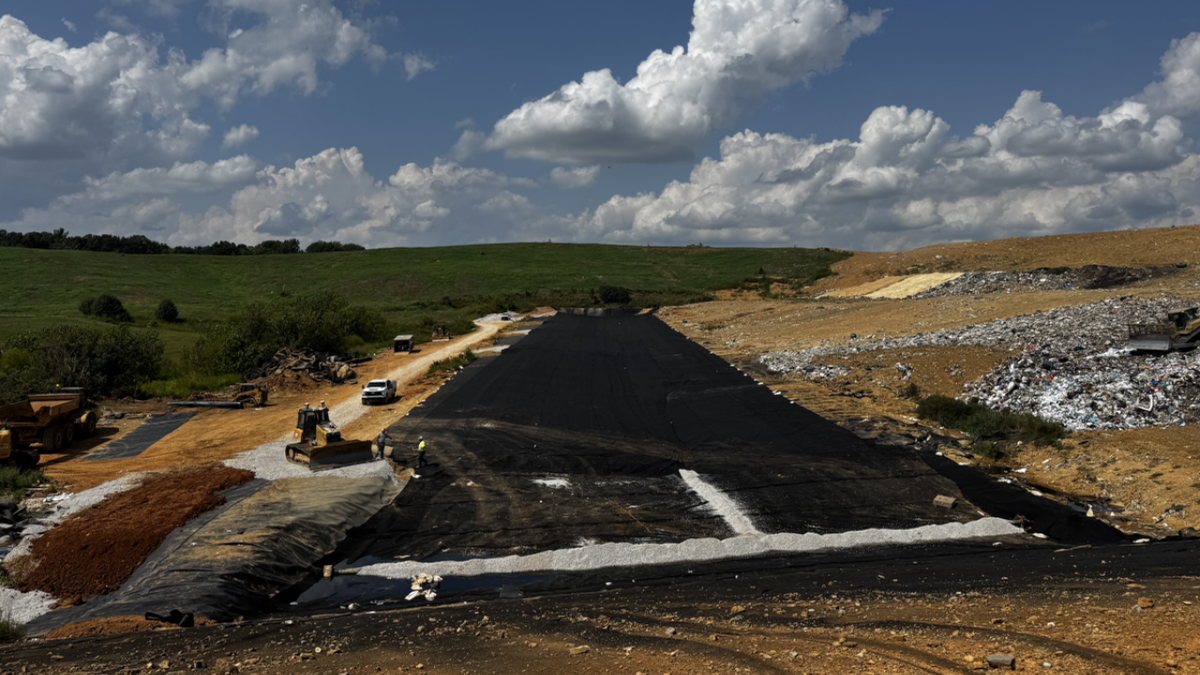
GLASGOW, Ky. — A new cell is now open at the City of Glasgow’s landfill, giving the facility an estimated 55 to 65 more years of service.
The city began placing waste in the newly completed cell Thursday, Aug. 27, following restoration work that included installation of a new lining system and French drain infrastructure, according to a news release.
The cell is part of the landfill’s three-valley system. Two valleys have already been completed, while the third required restoration before it could be placed into service.
The new cell is lined with multiple layers of protective material designed to help prevent contamination of groundwater. Liquids produced as waste breaks down are collected through a system beneath the landfill and directed to lift stations before being sent to a water treatment facility.
L.D. Hunt, the city’s environmental and compliance specialist, said the landfill is subject to state regulations and environmental monitoring.
“We are not a dump. We are regulated. That is the difference,” Hunt said.
The creek outside the facility is also regularly tested by the water treatment center as part of the city’s environmental monitoring efforts.
Turning waste into electricity
The landfill also captures methane produced as waste decomposes and uses it to generate electricity.
Monitoring wells collect the gas and direct it to an engine, where it is converted into electricity for distribution.
The facility processes an average of approximately 420 tons of waste and serves multiple communities, according to the city.
Hunt said the waste-to-energy operation currently produces enough electricity to power approximately 500 to 800 homes.
“At the same time, we’re turning waste into energy,” Hunt said. “And that’s the thing that we’re proud of.”
City encourages recycling
The city is also encouraging residents to recycle and reduce the amount of waste that enters the landfill.
Hunt said even small changes in how residents dispose of household waste can help preserve the facility’s capacity.
“Take an extra five seconds to sort the trash,” Hunt said.
He also encouraged residents to remove batteries from toys, equipment and other items before throwing them away.
Batteries can become a fire hazard when they are crushed by landfill equipment, particularly during hot weather.
Planning for the future
The landfill is subject to state oversight, and the city currently maintains approximately $6.6 million in restricted reserve funds for the facility.
According to the city, the reserve would allow the landfill to be safely shut down in the event of an emergency or breach. The amount required is recalculated by the state each month.
Mayor Henry Royse said the landfill is an important piece of infrastructure that many residents may not think about on a daily basis.
“This is one of those City operations most people never have a reason to think about, but it touches every household in Glasgow,” Royse said.
Royse said the landfill’s environmental safeguards, recycling efforts, water treatment and waste-to-energy operation make the new cell more than simply additional space for trash.
The city says the new cell will provide additional capacity for Glasgow and the communities it serves for decades to come.