On Wendell Berry and the power of good writing
Wendell Berry’s death sends Jimmy Lowe back to the books, stories and poems that first introduced him to one of Kentucky’s finest writers.
Literature lost one of its finest writers on the last day of August when Kentucky’s Wendell Berry died at 92.
Mr. Berry accomplished much in his long and productive life. He farmed in Henry County, taught at the University of Kentucky, and lectured throughout the country. He was an important conservationist and was recognized with numerous awards, including the National Humanities Medal.
It’s been his writing, from his essays, his poetry, and his fiction, that’s most impressed me. For several years now, I’ve thought he should receive the Nobel Prize for Literature.
Come Thursday morning at 8:00 (that’s good ol’ Glasgow time) on October 8, the announcement will be issued from Stockholm, Sweden, proclaiming this year’s winner of the prestigious Nobel Prize for Literature.
I’m not part of the Nobel committee, or whatever group is currently engaged in such judgement. I don’t know what renowned authors are under consideration; nevertheless, I would be pleased if the winner were to be Wendell Berry.
 Sarah Ladd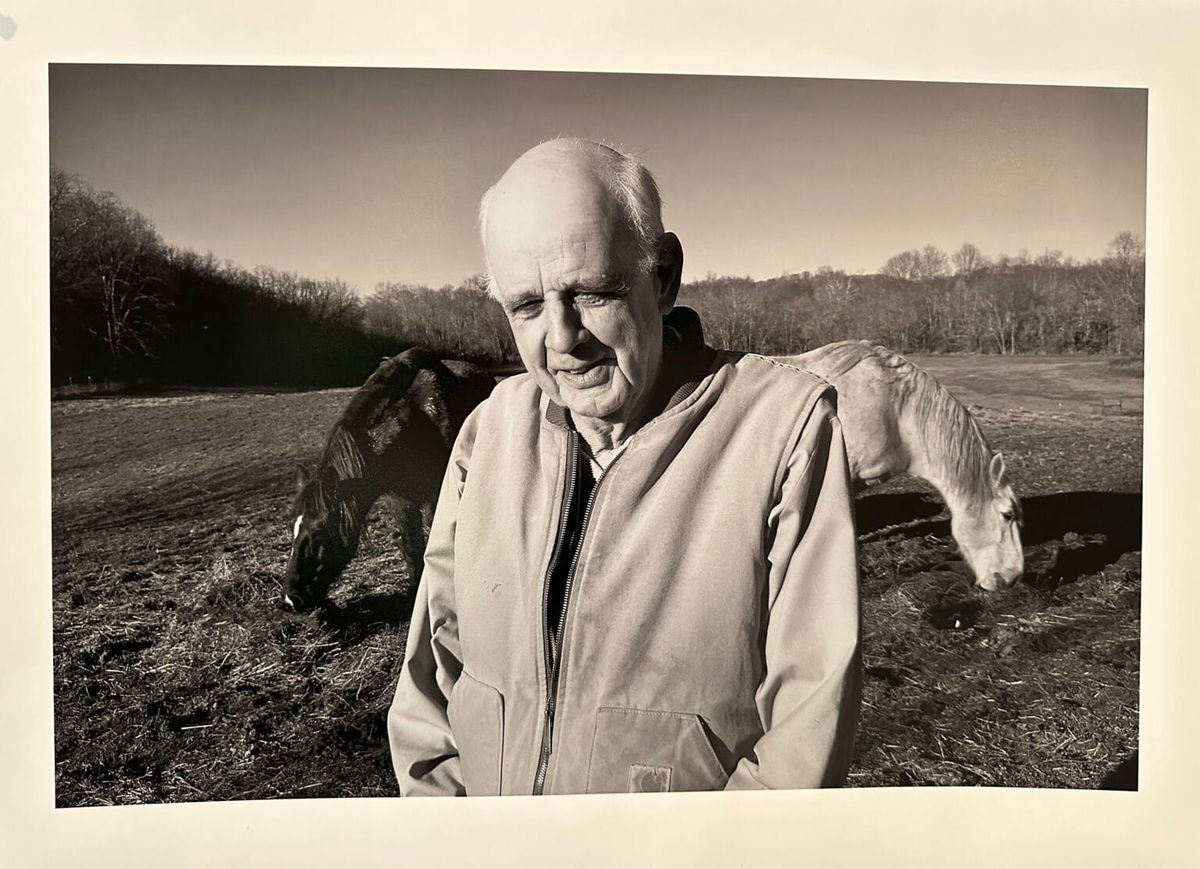
Half of my so-far-lifetime-ago, a bookseller who knew what literature I would (and should) find meaningful, introduced me to the works of Wendell Berry. After reading that first one, “A Place on Earth,” I thought then (and still now) it was one of the finest reading experiences of my many hours of turning pages.
I found it to be an unusually “quiet” novel. I mean by that, a book unlike the loud thrillers and suspense novels I’d been most accustomed to reading until then.
Berry’s stories introduced me to a seemingly simplicity life in a rural Kentucky setting. I recall there were some conflicts here and there in the book, but its focus was on family and their place on earth.
“Nathan Coulter” and “The Memory of Old Jack” continued my introduction into Berry’s Port William community. Then I read impressive accounts of his people in books like “Hannah Coulter” and “Jayber Crow” and in his connected short stories.
These were characters I understood and appreciated. I could identify with their struggles and their joys. Through several years of following Berry's works, I became enlightened by his essays and touched by his poetry.
“Mace Catlett” is the last of his book I’ve read. It’s a small novel and I was able to read it in about 4 hours, but I’ve spent more than 4 hours thinking about the characters and reflecting on the theme of his work. This book seemed to provide something of a “summing up” of what Berry has been offering through his years.
I’m immensely respectful of Berry’s wonderful, thought-provoking works. With or without the Nobel Prize, I consider him in the company of the greatest writers of our time.