AG finds Glasgow police violated law by refusing copy of body cam footage
The Attorney General’s Office said Kentucky law gives requesters the right to choose whether to inspect records in person or receive copies, provided no specific statute limits that right.
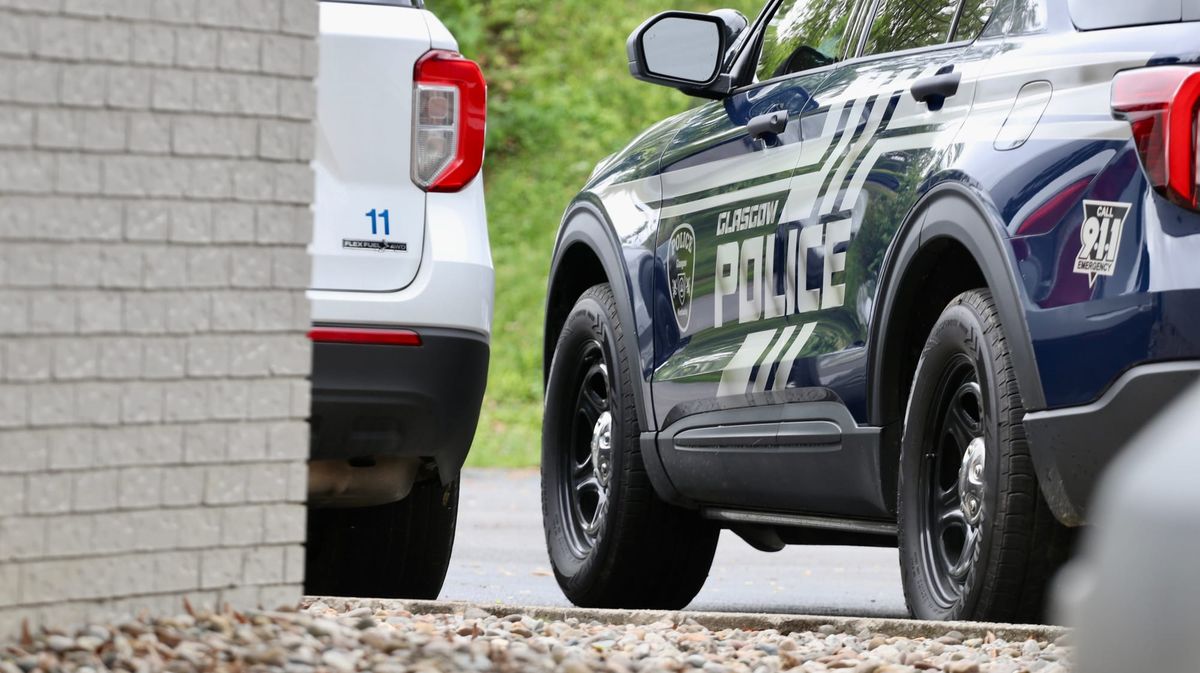
GLASGOW, Ky. — The Kentucky Attorney General’s Office has ruled that the Glasgow Police Department violated the state’s Open Records Act when it refused to provide a copy of requested body camera footage and instead offered only an opportunity to view the recording in person.
In a decision issued May 14, Assistant Attorney General Zachary M. Zimmerer found that the department improperly denied a request from Samantha Jones for body-worn camera footage related to a Nov. 15, 2025, law enforcement incident.
The decision was released publicly Wednesday as part of a batch of Attorney General open records rulings.
According to the opinion, Jones submitted an open records request on Jan. 7 seeking a copy of the footage.
The Glasgow Police Department responded that it would not provide a copy but would allow Jones to view the recording, citing provisions of Kentucky’s Open Records Act that it argued did not require agencies to provide copies when inspection was available.
The Attorney General’s Office rejected that interpretation, finding that Kentucky law gives requesters the right to choose whether to inspect records in person or receive copies, provided no specific statute limits that right.
“That choice belongs to the requester,” the ruling said. “A responding agency cannot dictate the method of inspection unless a specific statute specifically gives the agency that authority.”
The opinion noted that the department also cited statutes governing body-worn camera recordings. However, the Attorney General’s Office found that Glasgow Police did not establish that any exception allowing only on-site viewing applied in this case.
The ruling further found that previous Attorney General decisions cited by the department did not support its position and did not involve disputes over a requester’s right to obtain copies of records.
As a result, the Attorney General concluded that Glasgow Police violated the Open Records Act by stating it would only permit in-person inspection of the requested footage rather than providing a copy.
In a statement to Barrenside, the department said it respects the decision and will follow the guidance provided by the Attorney General’s Office.
“We acknowledge and respect the Attorney General’s decision regarding this appeal,” the department said. “We appreciate the continued guidance and clarification provided by the Attorney General’s Office and will apply the direction outlined in this decision to future requests.”
The department said compliance with open records laws in law enforcement can require agencies to balance transparency with privacy concerns, statutory exemptions and public safety considerations.
It also said the process has become increasingly complex as agencies handle a growing number of requests, including those generated through artificial intelligence tools and requests associated with large online publishing platforms.
The department added that it relies on guidance from the Attorney General’s Office, Kentucky statutes and prior open records decisions when evaluating records requests.