Facing demolition, a piece of Glasgow history finds two unlikely advocates
Josh and Terryn Francis have become prominent opponents of a proposed senior housing development that would involve demolishing the former Howard Clinic in Glasgow’s Southwest Residential Historic District.
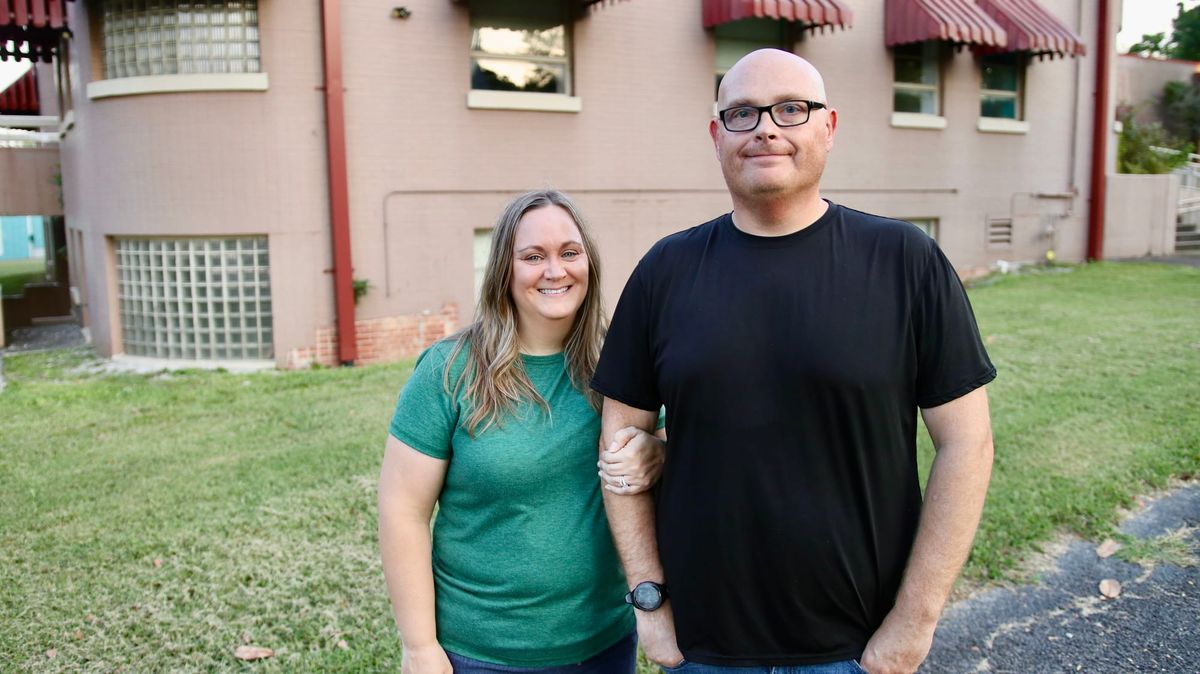
GLASGOW, Ky. — For Josh and Terryn Francis, the former Barren County Health Department building on West Washington Street was never just an empty government property.
It was part of the neighborhood they chose to call home when they purchased the former home of Walter Winn Davis, whose family had owned the property for more than 100 years.
The Francises were drawn to the area because of its older homes, its history and the character of its streets. The former Howard Clinic was part of that landscape.
So when they first heard the property might become senior housing, they said they saw an opportunity rather than a threat.
 Brennan Crain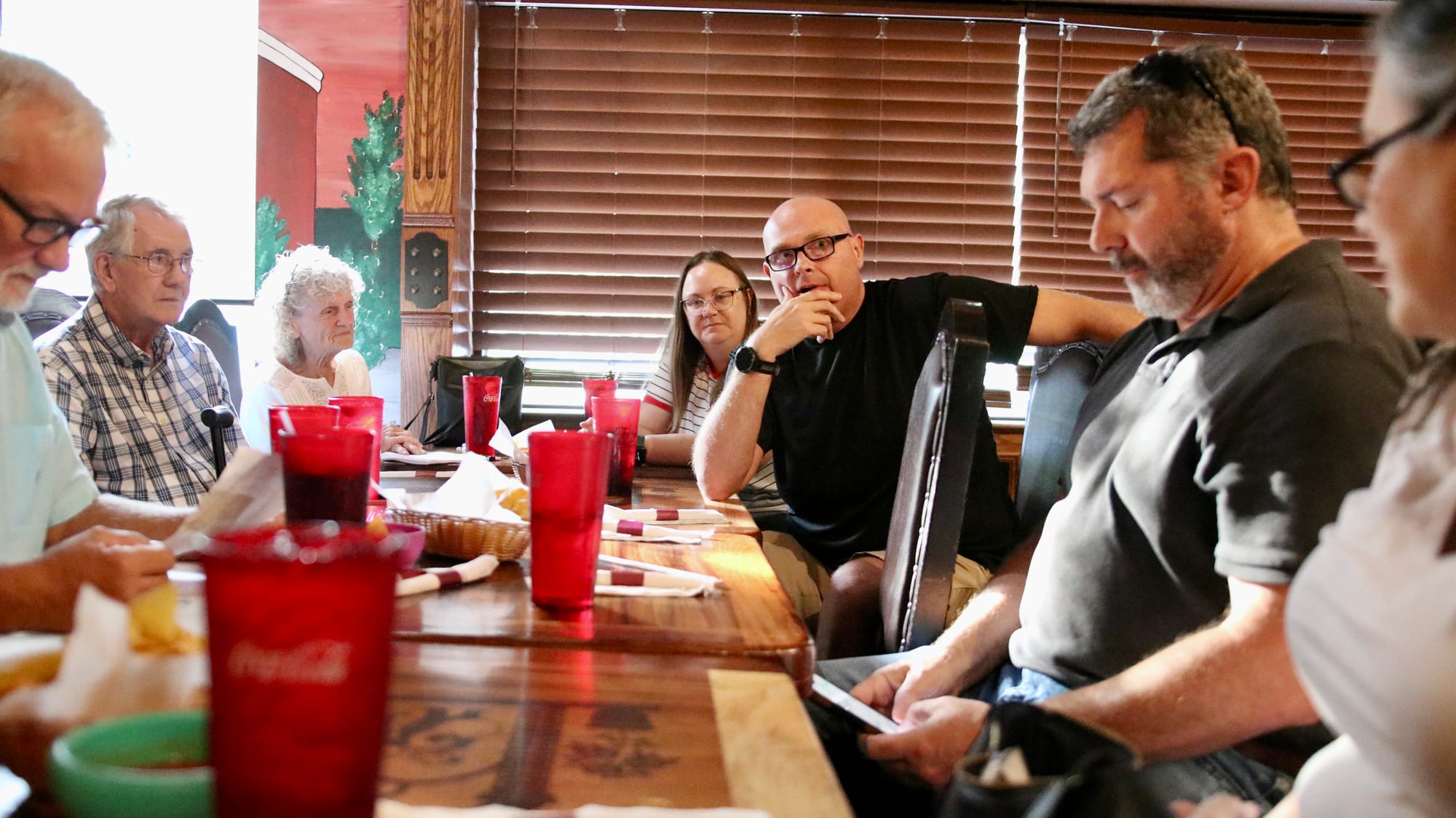
They understood the plan to be similar to the Liberty Street Apartments, where a historic school campus was converted into housing while preserving its existing buildings.
“They took a very historic building that was part of this community for years and they actually were able to find funding to retrofit that building and make it into senior housing,” Josh Francis said.
That was a future the Francises could support.
“Our back yard is Liberty Street, and we love that,” Terryn Francis said.
The county owns the West Washington Street property and had previously shown the building to state officials as a possible location for a new licensing center. That plan fell through after state officials determined the building did not meet their size requirements.
It was later that the Francises learned the senior housing proposal would involve tearing the building down.
That changed how they saw the project.
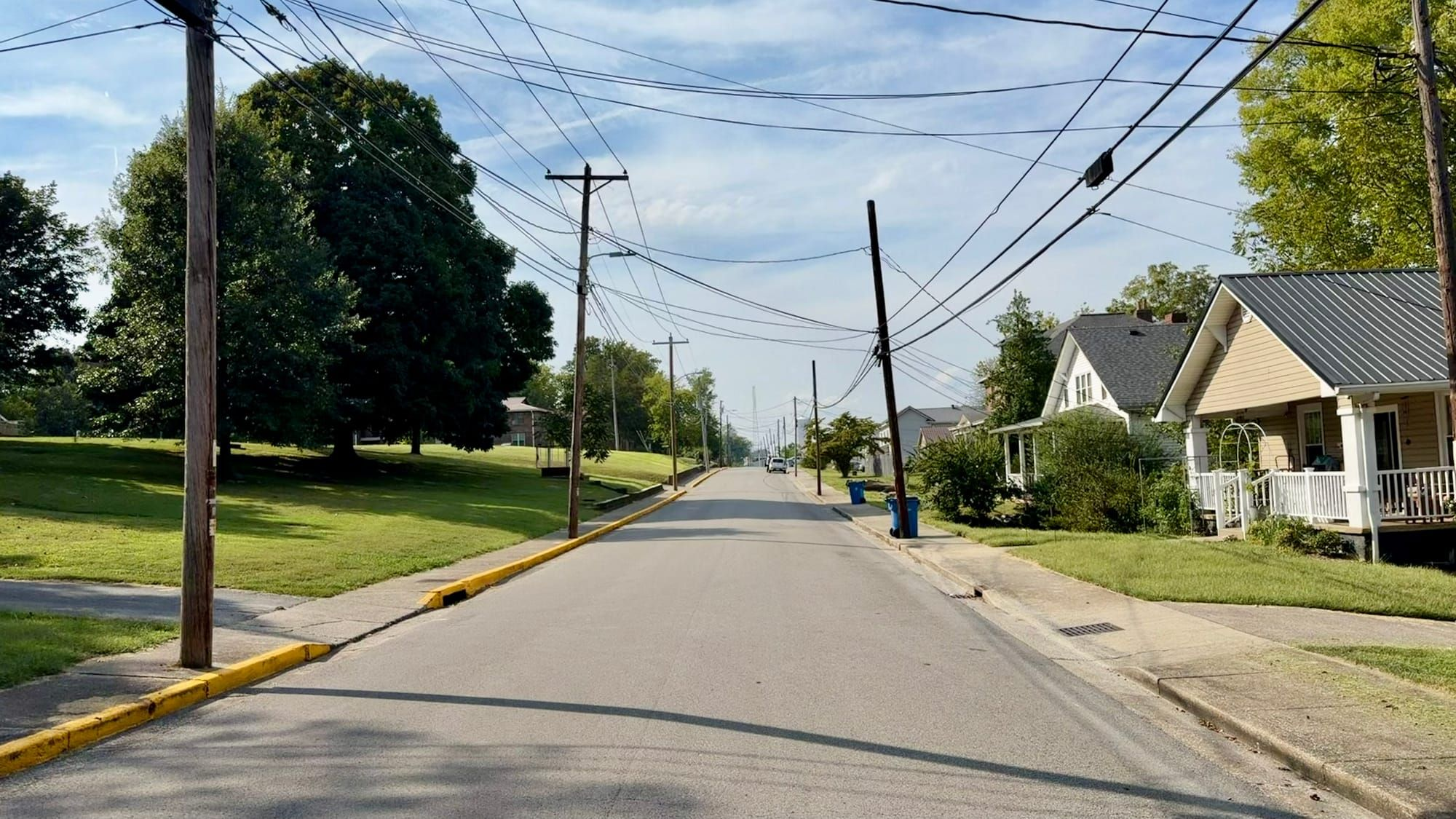
The property sits within the Southwest Glasgow Residential District, which was added to the National Register of Historic Places in 1983. The former health department building is a contributing structure within the district.
By day, Josh Francis works in IT and Terryn works in agriculture-related business development. Outside of work, the couple share a love of historic homes and the stories behind them.
Neither set out to become advocates for the former clinic.
But learning that the building could be demolished led them to take a closer look at what stood there.
They started researching its history.
That research led them to Dr. C.C. Howard, whose medical practice was associated with the building.
Howard came to Glasgow in 1912 and opened his medical office, making house calls by walking to patients in town and hiring a horse and buggy for trips into the country.
In 1914, he opened Maplewood Infirmary, Glasgow’s first hospital, with 12 beds. He later added a medical laboratory to his office and brought the first X-ray to Glasgow.
After serving overseas with the U.S. Army Medical Corps during World War I, Howard returned to Glasgow and continued expanding his medical work.
In the 1920s, he was involved in bringing blood transfusions and radium to the area. He also helped secure funding for the hospital that would later become T.J. Samson Community Hospital.
Howard later helped bring insulin to Kentucky and participated in clinical research documenting patients’ reactions to the drug. Years later, he was involved in bringing penicillin to the area and again spent time recording its effects for medical research.
By 1947, Howard had opened the clinic in downtown Glasgow that would bear his name.
The Francises began researching Howard and talking with members of his family, including the Lessenberrys, who are among Howard’s grandchildren through their mother, Mary Lloyd Howard Lessenberry.
The more they learned, the harder it became for them to see the building simply as an old structure that could be replaced.
“At a certain point, we have to stop tearing down our history. I did not realize how historic this building actually was until I started digging and talked to the Lessenberrys about it. I mean, it's pretty amazing,” Josh Francis said.
They also began hearing stories about Howard’s work from people connected to the neighborhood.
The Francises said they learned of a woman whose brother suffered a farming accident and was at risk of losing his leg. According to the story they heard, Howard’s clinic treated him with penicillin.
“That’s just something we take for granted,” Terryn Francis said.
They also learned the building was the first in Glasgow with an elevator and among the first clinics in the area to offer X-rays.
For the Francises, the history they were uncovering was no longer just something they could read about. It was connected to families in the community and to a building that had been part of their neighborhood for generations.
That made the possibility of losing it feel different.
“If you are constantly chipping away at your historic districts, at the things that make your community have a bit of character, then what sets us apart from any other new city?” Terryn Francis said.
The couple said they are not opposed to senior housing or to finding new uses for older buildings.
Their concern is what they believe would be lost by demolishing the former clinic and replacing it with a new apartment complex.
“If you take this down and replace it with something that does not look like the rest of the street, then you are telling your community that you do not care about that history district. You do not care about that historic preservation, that historic character,” Terryn Francis said. “To me, that's just very sad.”
What began with an interest in the building’s history grew into a broader effort to understand what was being proposed and whether there was another way forward.
The Francises began attending meetings, filing public records requests, researching the property and its history and talking with other neighbors.
They also started a Facebook page focused on the history of the area, sharing what they were learning about the neighborhood.
Their property does not adjoin the former health department site, but they attended the rezoning hearing and spoke against the proposal.
Eventually, the Francises joined other residents in challenging the Planning Commission’s decision in court.
 Brennan Crain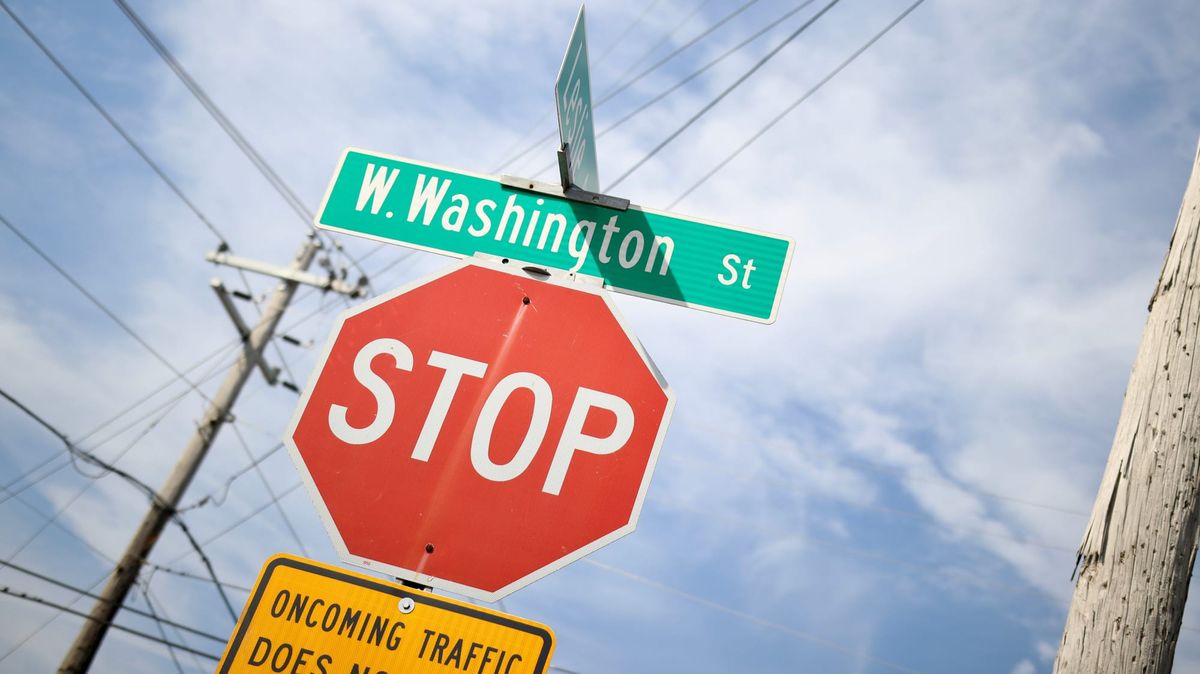
By then, what had started as an interest in an old building had become a fight over whether it could remain part of the neighborhood’s future.
The Francises said they still want to see more senior housing in Glasgow. They simply do not believe the former Howard Clinic needs to be demolished to make that happen.
“If we can just take a breathe and realize that we're going to tear down a building that we can't rebuild. We are going to permanently remove this from our history to where at a certain point it's just going to be a picture,” Terryn Francis said.
For the couple, there is still a possibility of finding a different use for the property.
“I would be OK with just about anything, really, as long as they kept the building,” Terryn Francis said. “I think it's an asset.”
The bottom line
For the Francises, opposition to the West Washington Street development grew out of their connection to the neighborhood and what they learned about the former Howard Clinic.
They said they are not opposed to senior housing. They want to see the building preserved and believe it can remain part of the neighborhood’s future rather than becoming only part of its past.