
Glasgow proposes lower property tax rate. What does that mean for you?
The change would have a small effect on an individual property tax bill.
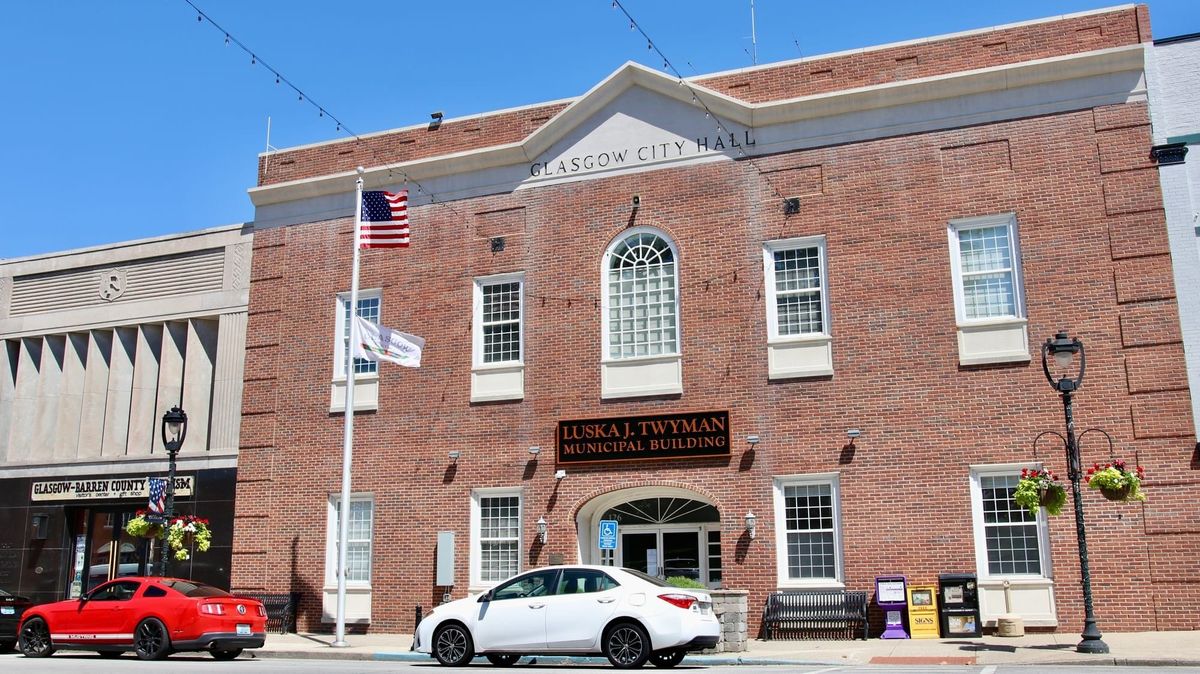
GLASGOW, Ky. — Glasgow’s proposed property tax rate would decrease slightly from 16.5 cents to 16.4 cents per $100 of assessed value.
Councilman Terry Bunnell, who chairs the city’s Finance Committee, called the proposed rate “fair” and said it was a “good” rate for the city during a Monday city council meeting.
The change would have a small effect on an individual property tax bill.
For example, a home assessed at $200,000 would generate $330 in city property taxes under the 0.165 rate, compared with $328 under the proposed 0.164 rate, a difference of $2.
Bunnell said the proposed rate would allow the city to maintain its operations in a “fair way” while keeping up with the demands placed on city government.
Bunnell pointed to several services the city provides despite some operating at a loss, including transit, 911 and events hosted through Entertain Glasgow.
“It also allows us to keep pace with the demands and not fall behind in causing us any shortfall that we may need to undertake in years down the road,” he said.
Bunnell said the city has a diverse mix of revenue sources, which he believes is beneficial to residents because the budget does not depend too heavily on any one source.
“All of our citizens receive benefits,” he said.
Councilman Joe Trigg said he initially supported maintaining the current rate to avoid “living on the cusp,” but spoke favorably about the proposed rate.
“This is the price we have to pay to continue to do this,” Trigg said. “I’m comfortable with going to .164 as long as we understand we cannot continue to lower these prices below what’s necessary to keep this city running.”
Ad valorem taxes, or taxes based on the assessed value of property, make up about 10% of the city’s revenue structure and account for about 7% of the overall budget, Bunnell said.
He said having multiple revenue sources allows the city to fund its operations without relying primarily on property taxes or the occupational license fee, which is another term for the payroll tax the city applies to employees within the city limits.
“What it does is it allows us to diversify our budget so that we’re not just depending upon the occupational license fee, the fee on insurance premiums, and the other fees we collect,” Bunnell said.
Bunnell said Glasgow’s property assessments have dropped “quite a bit,” noting that new growth dropped from $11 million last year to about $5 million this year.
He said continued declines in city property assessments could put more pressure on the city’s budget, but noted that no current services would suffer because of the proposed rate decrease.
The city continues to benefit from increased net profit on payroll taxes, Bunnell said, which would coincide with more employees working within the city limits.
The tax ordinance passed its first reading unanimously. It must receive a second reading before becoming official.
The bottom line
Glasgow’s proposed property tax rate would decrease from 0.165 to 0.164.
On a home assessed at $200,000, that would mean $328 in city property taxes under the proposed rate, compared with $330 under the current rate.
City officials say the city’s mix of revenue sources helps fund services without relying too heavily on property taxes or payroll-related revenue.