
Kentucky AG ruling upholds denial of woman’s request for license plate reader data
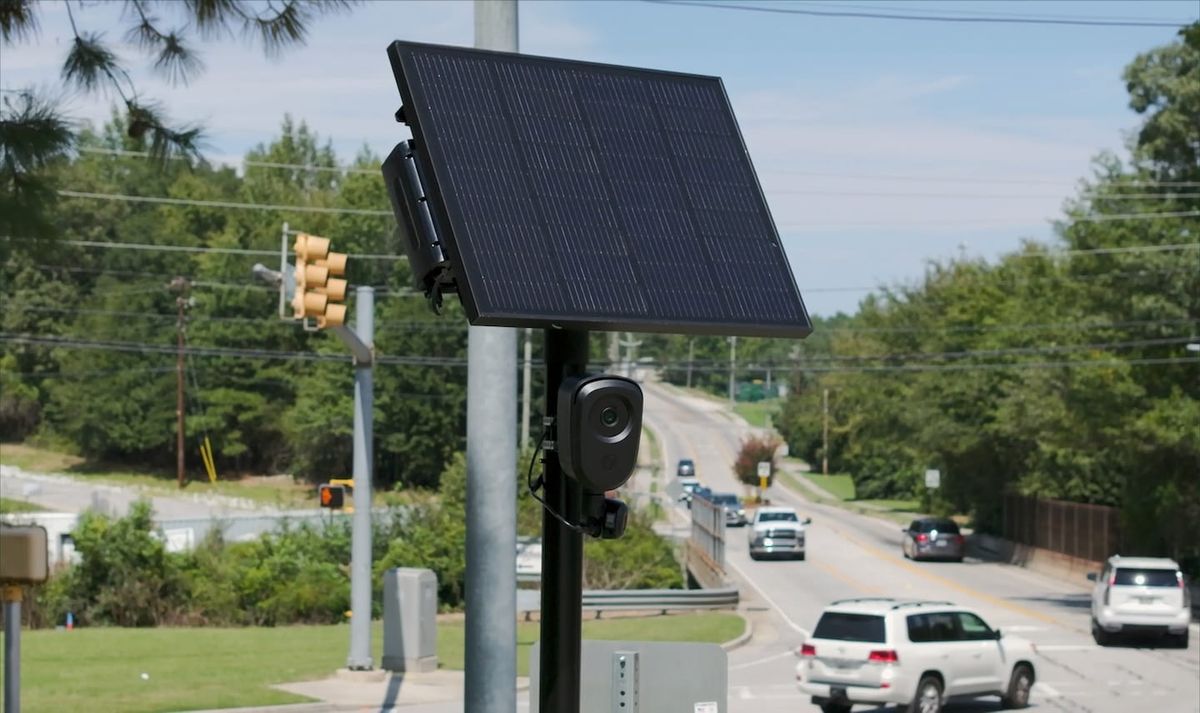
The technology, including systems operated by Flock Safety, uses cameras to capture vehicle information such as license plate numbers, photographs, vehicle descriptions, dates, times and location data.
MUNFORDVILLE, Ky. — A Hart County woman will not receive automated license plate reader records involving her vehicles, despite a ruling that found the sheriff’s office violated the state's Open Records Act in handling her request.
The Nov. 2 decision from the Kentucky Attorney General’s Office found the Hart County Sheriff’s Office failed to adequately explain delays in responding to the request and initially withheld records without citing a specific legal exemption.
However, the Attorney General’s Office determined that a separate state law prohibits the release of the license plate reader data, even when the request involves a person's own vehicles.
The dispute began Sept. 3, when Britany Skinner requested 12 categories of records related to the sheriff's office's use of automated license plate readers, including information involving two vehicles she owns.
The technology, including systems operated by Flock Safety, uses cameras to capture vehicle information such as license plate numbers, photographs, vehicle descriptions, dates, times and location data.
Skinner wanted to know what information the agency had captured, stored, processed or searched involving her vehicles.
The sheriff’s office acknowledged the request five days later, saying it hoped to have the records prepared within a couple of weeks. When Skinner followed up Sept. 22, the office told her she could pick up the responsive records.
The agency ultimately provided some of the requested information but withheld the license plate reader records involving her vehicles.
In its initial response, the sheriff’s office said the data and images collected by the system were for official agency use and could contain confidential information.
Skinner challenged the denial, arguing that the law governing automated license plate reader data did not eliminate her rights under the Open Records Act or prevent her from obtaining information involving her own vehicles.
Why the records were withheld
Under Kentucky law, agencies generally have five business days to respond to open records requests. When additional time is needed, they must provide a detailed explanation for the delay and identify the earliest date the records will be available.
The Attorney General’s Office found the sheriff’s office did not meet those requirements. Although the agency cited short staffing and the need for additional time, it did not provide the required explanation or an availability date.
The office also found that the sheriff’s initial explanation, that the records might contain confidential information, was insufficient to justify withholding them.
Agencies must identify the specific statutory exception they are relying on and explain how it applies.
The sheriff’s office later cited KRS 189.632(4)(d), which restricts the sale, sharing, access or transfer of captured license plate data for purposes outside those permitted by law.
The Attorney General’s Office determined that the restriction is incorporated into the Open Records Act and does not provide an exception allowing vehicle owners to obtain captured data involving their own vehicles.
As a result, the ruling found the sheriff’s office violated the Open Records Act in its handling of Skinner’s request but did not violate the law by ultimately withholding the license plate reader records.
The decision may be appealed in circuit court within 30 days.