Property values rise as Barren County weighs 12.2-cent tax rate
The fiscal court must vote before the property tax rate is finalized.
GLASGOW, Ky. — Barren County leaders are preliminarily proposing to keep the county’s property tax rate at 12.2 cents per $100 of assessed value, according to information shared at a committee meeting Monday.
The rate would remain the same, but the county is expected to collect more because property values have increased. Property taxes are the county’s primary source of locally generated revenue, aside from some state or federal funding.
The county’s taxable property base increased by about $176.8 million from 2025 to 2026, according to a Kentucky Department of Revenue calculation. That means the county can collect more tax money without raising the 12.2-cent rate.
“I don’t want to cause any hardship on any person or anything like that. Those additional funds will help you pay bills,” said Barren County Judge/Executive Jamie Byrd.
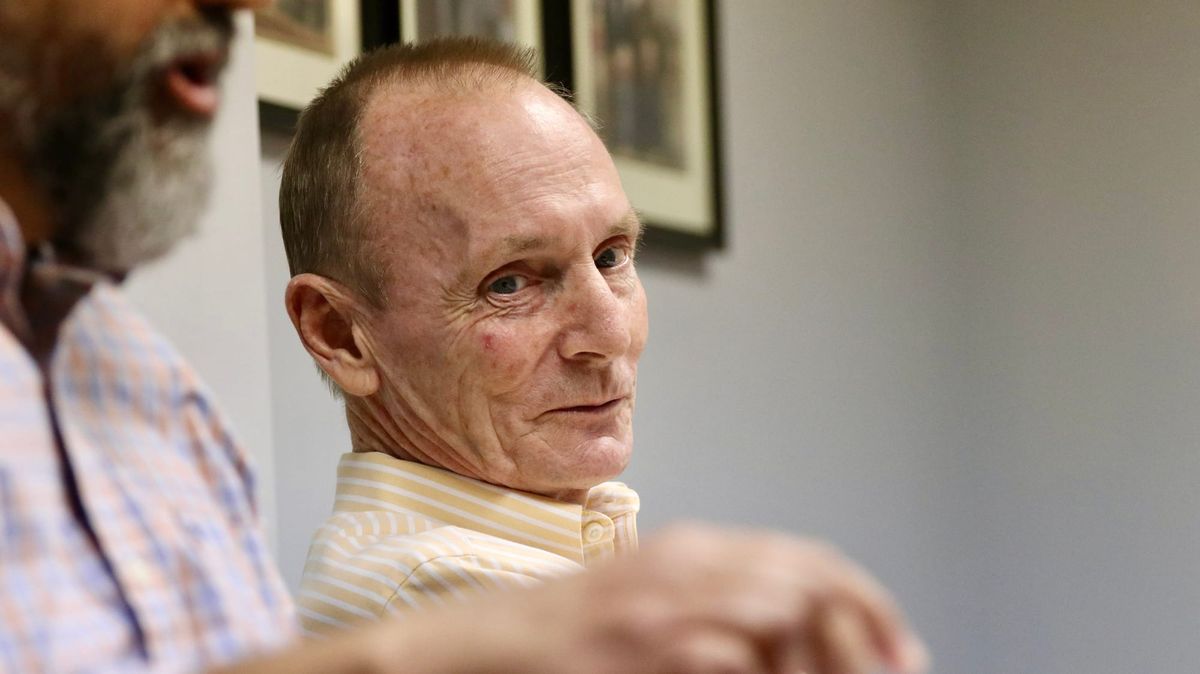
Members of the Administrative and Budget Committee discussed the proposed rate during a meeting Monday afternoon.
The county’s compensating rate is 12.0 cents per $100. It would bring in about $3.84 million. The proposed 12.2-cent rate would bring in about $3.90 million, or roughly $64,000 more.
The county could choose the lower 12.0-cent rate instead.
Because the proposed 12.2-cent rate is higher than the compensating rate, the county must hold a public hearing before adopting it.
“Are we going to be able to justify the amount of money that we’re bringing in that’s going to be able to pay the bills? That’s it. There are no extras,” Byrd said. “These are literally normal, everyday bills: payroll, utilities, maintenance, health insurance, building insurance, retirement, all of these things.”
Kentucky law gives local governments several choices when setting property tax rates. They can adopt the compensating rate, choose a rate that brings in up to 4% more money or seek a higher rate that comes with additional requirements.
The county’s tax rate must be finalized later this year and submitted to the Kentucky Department for Local Government, Byrd said.
The proposed rate is 2.1 cents per $100 lower than the county’s rate in 2015, according to figures shared Monday. The rate was 14.3 cents per $100 in 2015 before reaching a peak of 14.6 cents per $100 in 2016.
“I feel like, as a court, we’ve done what we need to do in regards to the property tax and in regard to being good stewards of the property tax,” Byrd said.
Jail, road costs
Barren County leaders said rising jail costs and a drop in state funding of about $380,000 for the county road fund are concerns as they prepare the next budget.
The Barren County Detention Center is housing fewer state inmates than it once did, leading to budget shortfalls. At the same time, medical costs and other fixed expenses continue to rise.
Road funding also fell after Gov. Andy Beshear reduced the state gas tax by 10 cents per gallon in May and later froze the tax at 26.4 cents per gallon for the new fiscal year.
The gas tax helps fund road projects across Kentucky. About 18.3% of the revenue goes to counties for road construction and maintenance, according to the Kentucky Association of Counties.
“When the governor made his tax break on gas, he was literally saving consumers pennies but he ended up costing the road department millions,” Kinslow said.
The county is also awaiting more than $763,000 in FEMA-funded payments that have been disbursed to the state for storm-related damage, including flooding in February and April 2025 and the ice storm earlier this year.
Public hearing
A public hearing on the proposed property tax rate is scheduled for Friday, Aug. 21, at 2 p.m. in the Fiscal Court Chambers at 117 N. Public Square.
The legal notice for the hearing originally listed the proposed rate as 12.4 cents per $100. County leaders are now proposing a 12.2-cent rate, the same rate levied last year.
Byrd said the rate was advertised at that level because it represents the maximum increase allowed before additional requirements, including a recall vote, would be triggered. It did not mean the county intended to levy the 12.4-cent rate.
The committee made no formal recommendation. The full fiscal court must vote to finalize the rate.