
Why is T.J. Samson getting $6.9 million from FEMA?
Since you asked: T.J. Samson spent millions responding to COVID-19. FEMA is now reimbursing the hospital for a portion of those eligible expenses.
Since You Asked is a reader-driven series that answers questions about our community. Have something you've always wondered about? Submit your question here.
GLASGOW, Ky. — Millions of dollars are headed to T.J. Samson Community Hospital through federal disaster reimbursement funding tied to expenses incurred during the COVID-19 pandemic.
So what exactly does that mean?
Since you asked, the nearly $6.9 million headed to Glasgow isn't new money for a construction project or hospital expansion. Instead, it's reimbursement for costs the hospital has already paid.
According to hospital officials, some of the largest expenses during the pandemic were related to labor, including both employed staff and contract workers brought in to help meet unprecedented healthcare demands.
 Brennan Crain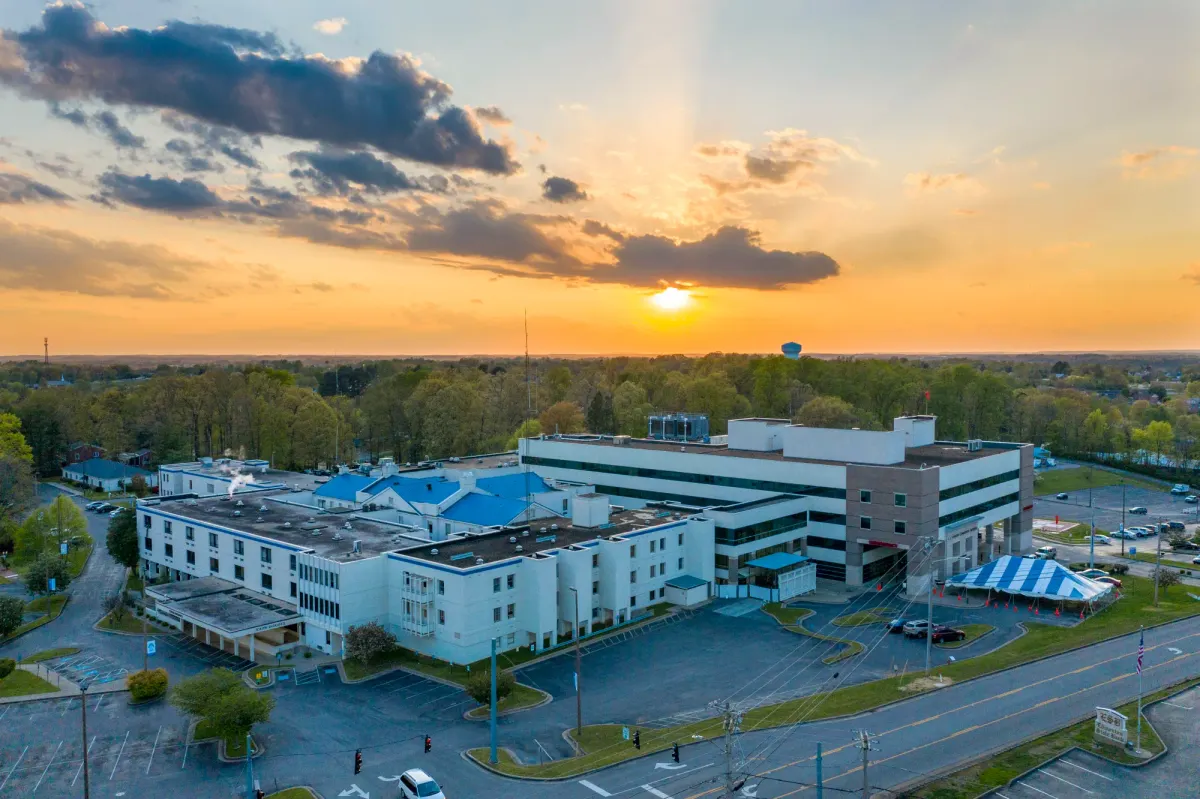
The hospital also spent heavily on equipment rentals, including additional ventilators, as well as personal protective equipment and other supplies needed to care for patients during the public health emergency.
The funding comes through FEMA's Public Assistance Program, which reimburses eligible organizations for disaster-related expenses. In other words, T.J. Samson spent the money first and is now being paid back for qualifying costs.
Hospital officials said they tracked eligible expenses throughout the pandemic and later applied for reimbursement. While hospitals across Kentucky were eligible to seek FEMA funding, not all chose to participate in the process.
That also explains why the money is arriving in 2026 rather than during the height of the pandemic.
Since you asked, FEMA reimbursements often take years to work their way through the federal review and approval process. Hospitals must document expenses, submit claims and wait for those claims to be evaluated before funding is released.
For T.J. Samson, the reimbursement helps recover money spent between January 2020 and May 2023, when healthcare providers were navigating staffing shortages, supply chain disruptions and surging patient volumes.
While the reimbursement is tied to past expenses, hospital officials say receiving the funds now strengthens the organization's financial position and helps support ongoing needs such as staffing, equipment and patient care services.
The funding also arrives as hospitals continue to face rising costs and concerns about potential reductions in Medicaid reimbursement.
The simplest explanation?
Since you asked: T.J. Samson spent millions responding to COVID-19. FEMA is now reimbursing the hospital for a portion of those eligible expenses.