
After years of waiting, student-built flood alarm installed in Barren County
A student-developed flood warning system inspired by a tragedy has been installed in Barren County and is now being tested at a low-water crossing after years of development.
GLASGOW, Ky. — Carl Owens knew he had to do something after a tragedy in neighboring Monroe County claimed the life of a young woman.
On New Year's Eve 2018, Leah Carter was attempting to cross a flooded roadway when her vehicle was swept away by rising water. Carter called 911 in her final moments but was unable to escape. Her body was recovered days later in early 2019.
The loss deeply affected her uncle, Mark Wallace, who was serving as interim principal of the Barren County Innovation Zone at the time.
Wanting to find a way to prevent similar tragedies, Wallace approached Owens, a former CAD instructor, with a challenge. He asked what could be done to keep another family from experiencing the same loss.
“I said, well, let me brainstorm,” Owens recalled. “So I kind of put it out there as a challenge to my kids.”

What followed was a student-led effort that evolved through trial and error.
Students, including Jackson Russell, began developing ideas and testing possible solutions. One of the first concepts involved a barrier arm that would automatically block a roadway when floodwaters reached a dangerous level.
But the students quickly began questioning whether the design would work in the real world. Would drivers simply go around it? What would happen if the system malfunctioned? Could it be installed affordably on rural roads?
As those discussions continued, the idea evolved.
“A visual alert that, hey, there's water across the road, probably don't need to drive there,” Owens said. “That just kind of blossomed organically.”
The team researched other flood-warning technologies but found many relied on roadway sensors and equipment that cost thousands of dollars to install.
“That really isn't feasible for country access roads,” Owens said.
Looking for a more affordable solution, Owens reached out to former student Justin Richardson for help with the technical side of the project.
Owens, who describes himself as a design-focused person, said Richardson helped create the wiring and coding needed to bring the students' concept to life.
“He built this wiring harness and kind of explained what he did in coding and worked with our kids,” Owens said. “He walked these kids through what he was actually doing with it, and we had our first prototype.”
The system, known as the LEAHS Alarm, operates through a simple electrical circuit. A sensor consisting of an open-ended coil is installed near the edge of a low-water crossing.
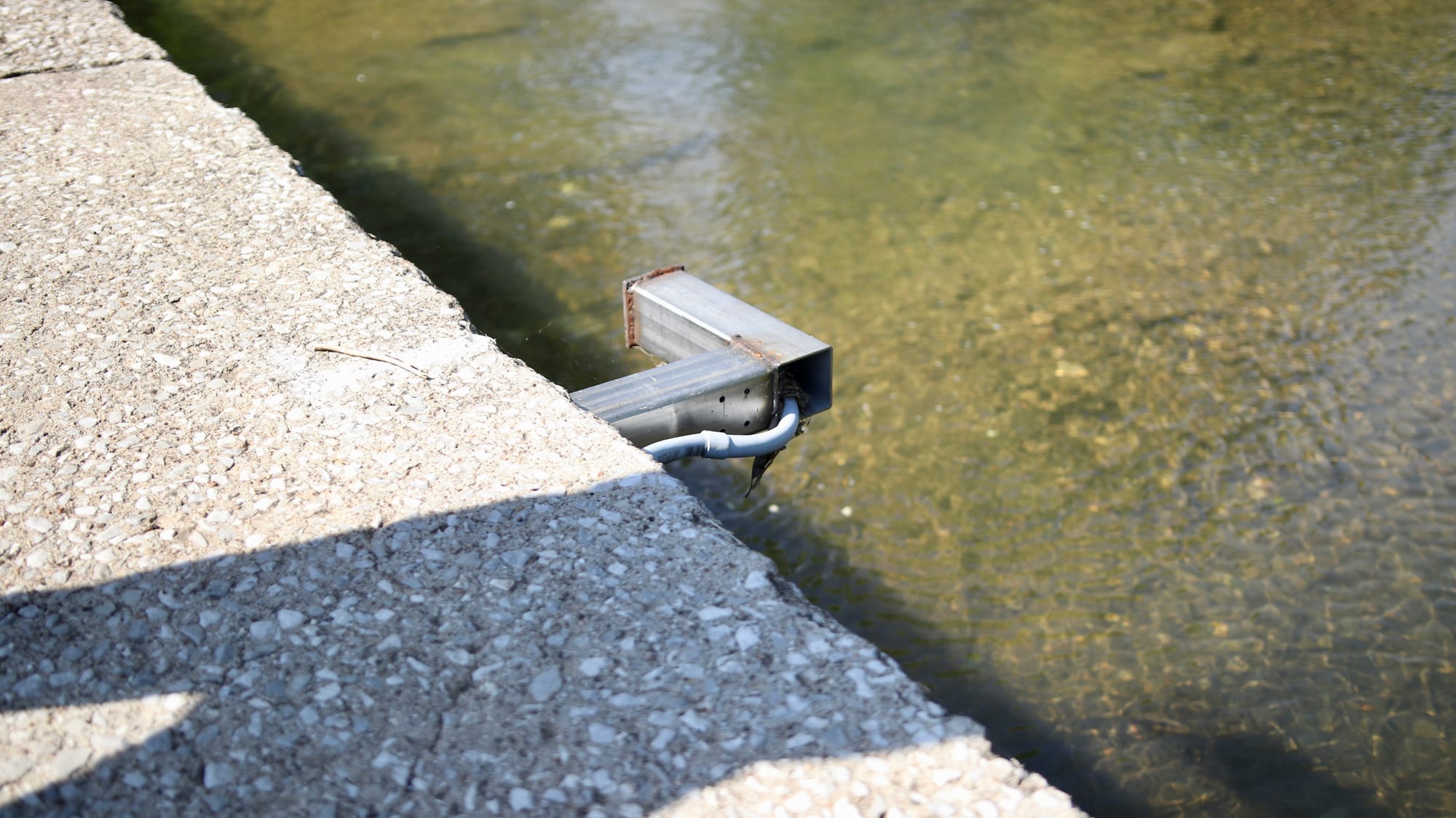
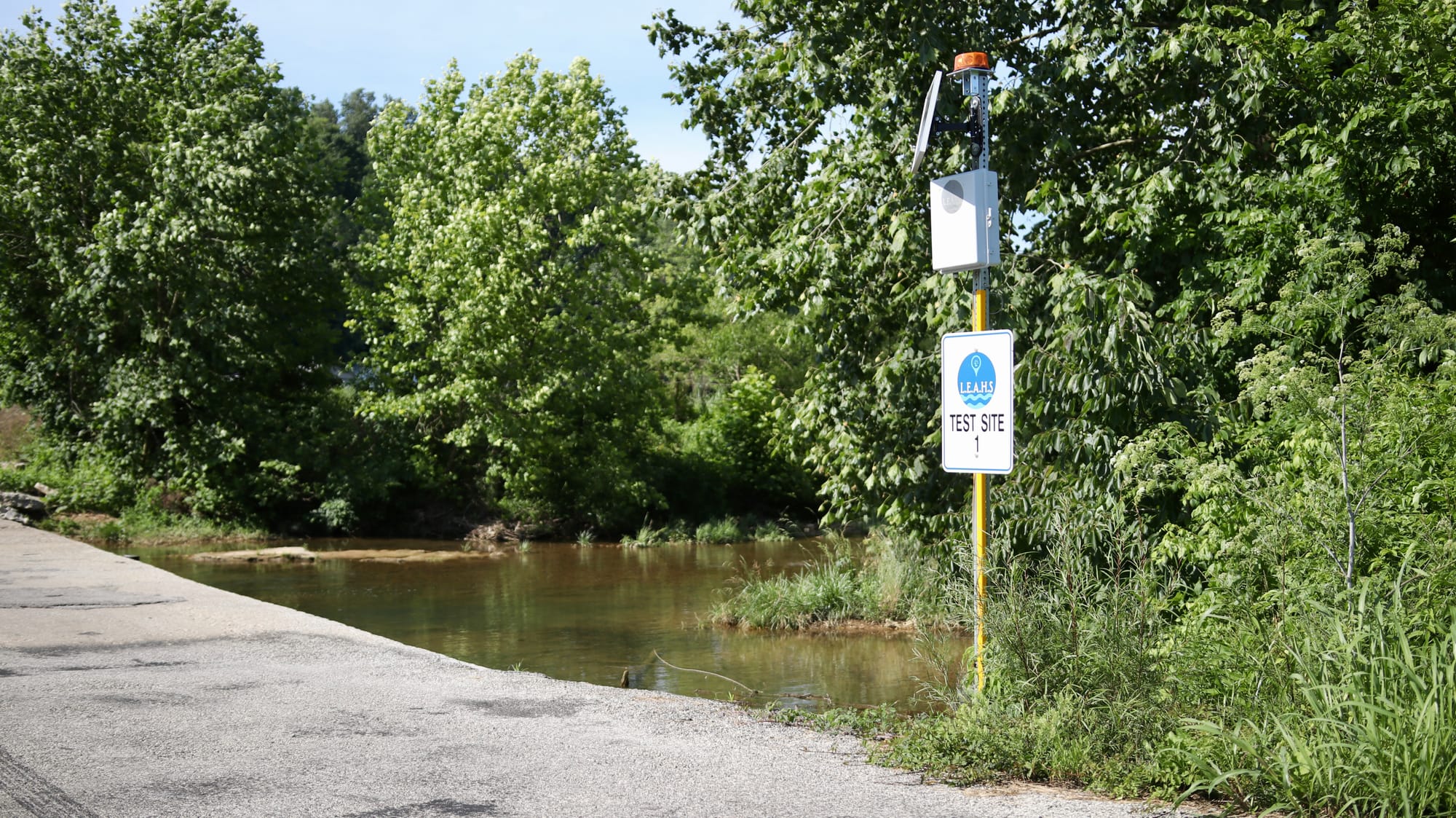
When rising water reaches the sensor, it completes the circuit and sends a signal to the alarm, activating a flashing warning light to alert motorists that water is beginning to cover the roadway.
Once the prototype was completed, students demonstrated it to Carter's family and local officials. Funding was eventually secured to build five units.
“We built our five prototypes and we turned them over to the county,” Owens said.
Then the project appeared to stall.
The prototypes remained uninstalled for years, and updates were scarce.
That changed in recent months when Barren County Emergency Management Director Garland Gilliam called Owens with unexpected news: one of the warning systems had been installed in Eighty Eight.
“I'm like, ‘Are you kidding me?’” Owens said. “That's just God working.”
The timing felt particularly meaningful.
Just days before Gilliam's call, Russell, one of the students who helped develop the original idea years earlier, had reached out to Owens to ask whether there had been any progress.
Now, after years of waiting, the warning system is in place and operating.
“It's kind of very peaceful knowing that it's working,” Russell said. “It's here, it's doing what it's supposed to be doing.”
The warning system installed in Eighty Eight is currently designated as a test site, serving as a real-world trial for the prototype. Owens said the long-term goal is to refine the concept into a reliable, low-cost product that can be deployed on rural roads where more expensive flood-warning systems are often out of reach.
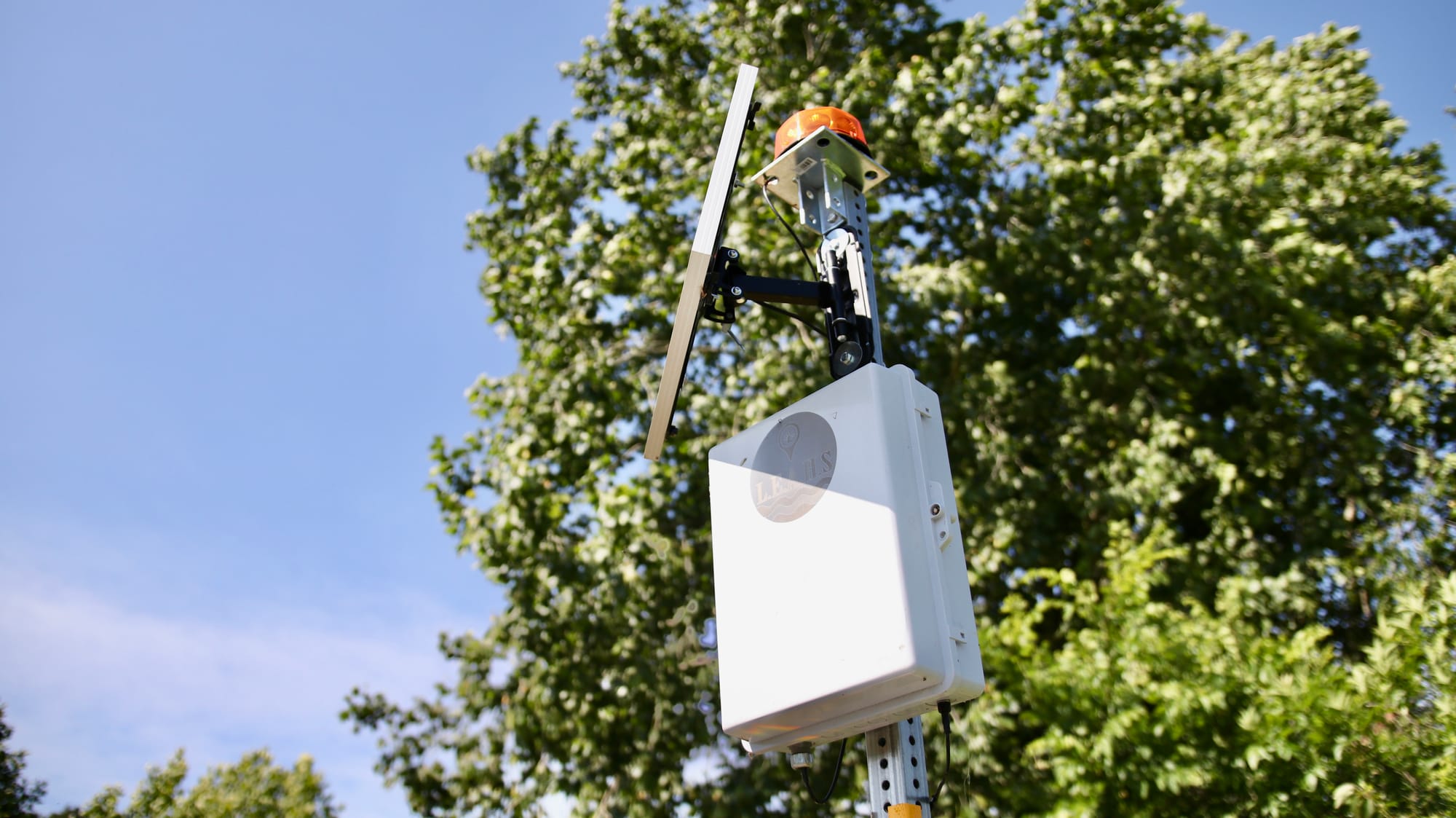
While others have suggested protecting the idea through trademarks or patents, Owens said profit has never been the motivation behind the project.
“People ask a lot: Have you trademarked it? Have you copyrighted it?" he said. "We don't want to do that. I don't want to do that. This is not a profit thing. The purpose is there to save a life, so if it's doing that, then win win.”
The product, in its current form, costs about $500 per unit.
Owens said students also envisioned a more advanced version of the system that would use Wi-Fi connectivity to report flooded roadways directly to emergency management, providing real-time information about hazardous conditions.
“We did test that. We didn't have the capacity to drop in a Wi-Fi hotspot and run those connections out here. It was expensive,” he said.
Originally, the group identified approximately 13 flood-prone locations where the warning system could potentially be installed, Owens said.
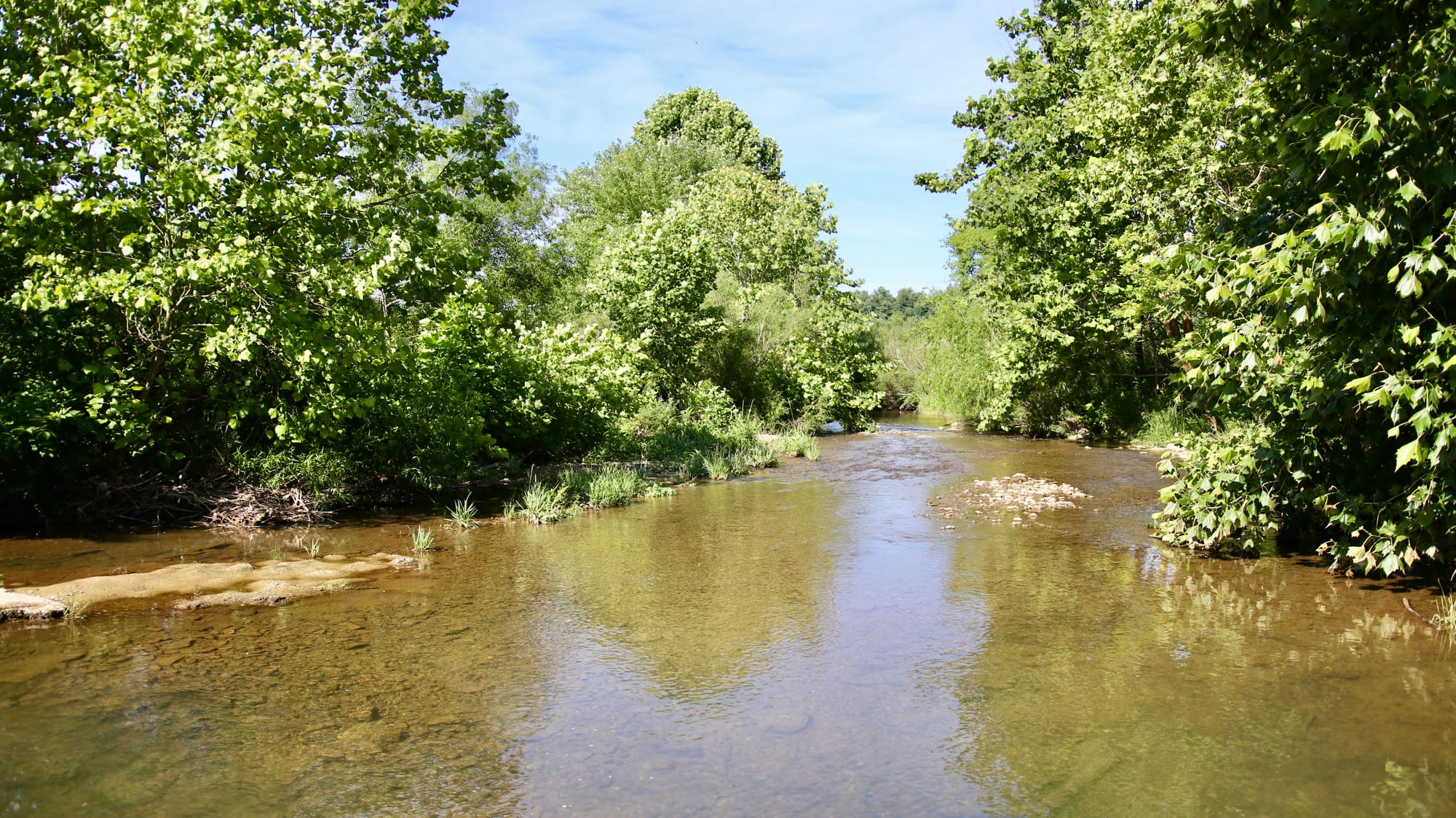
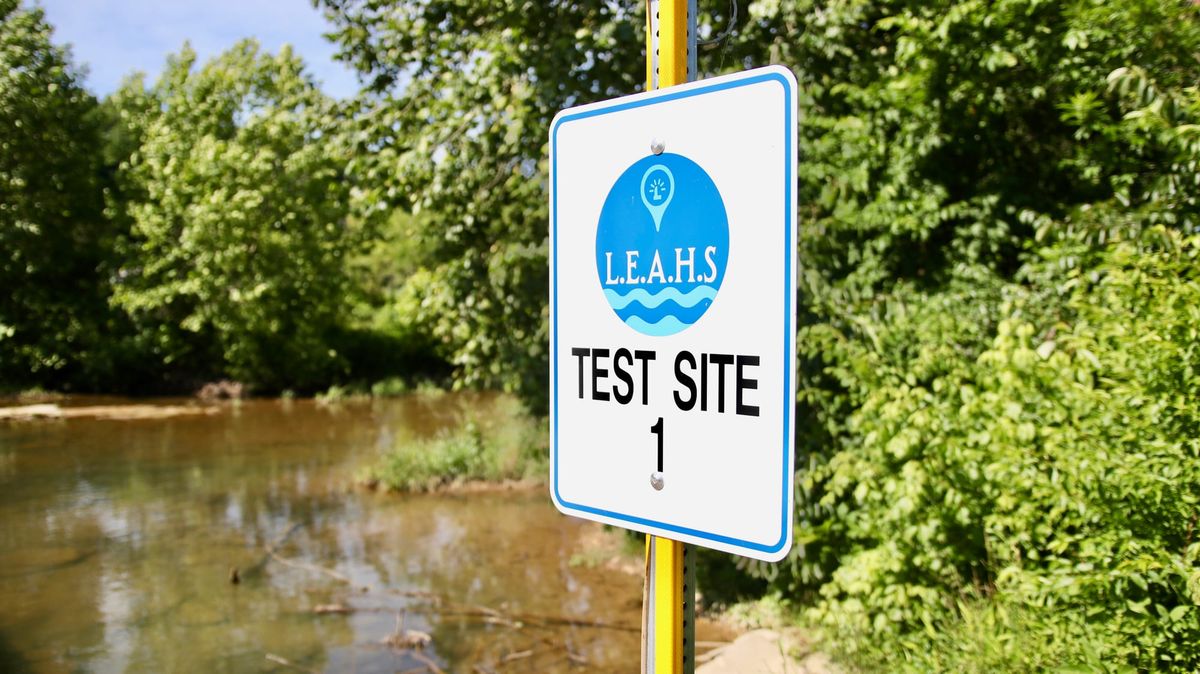
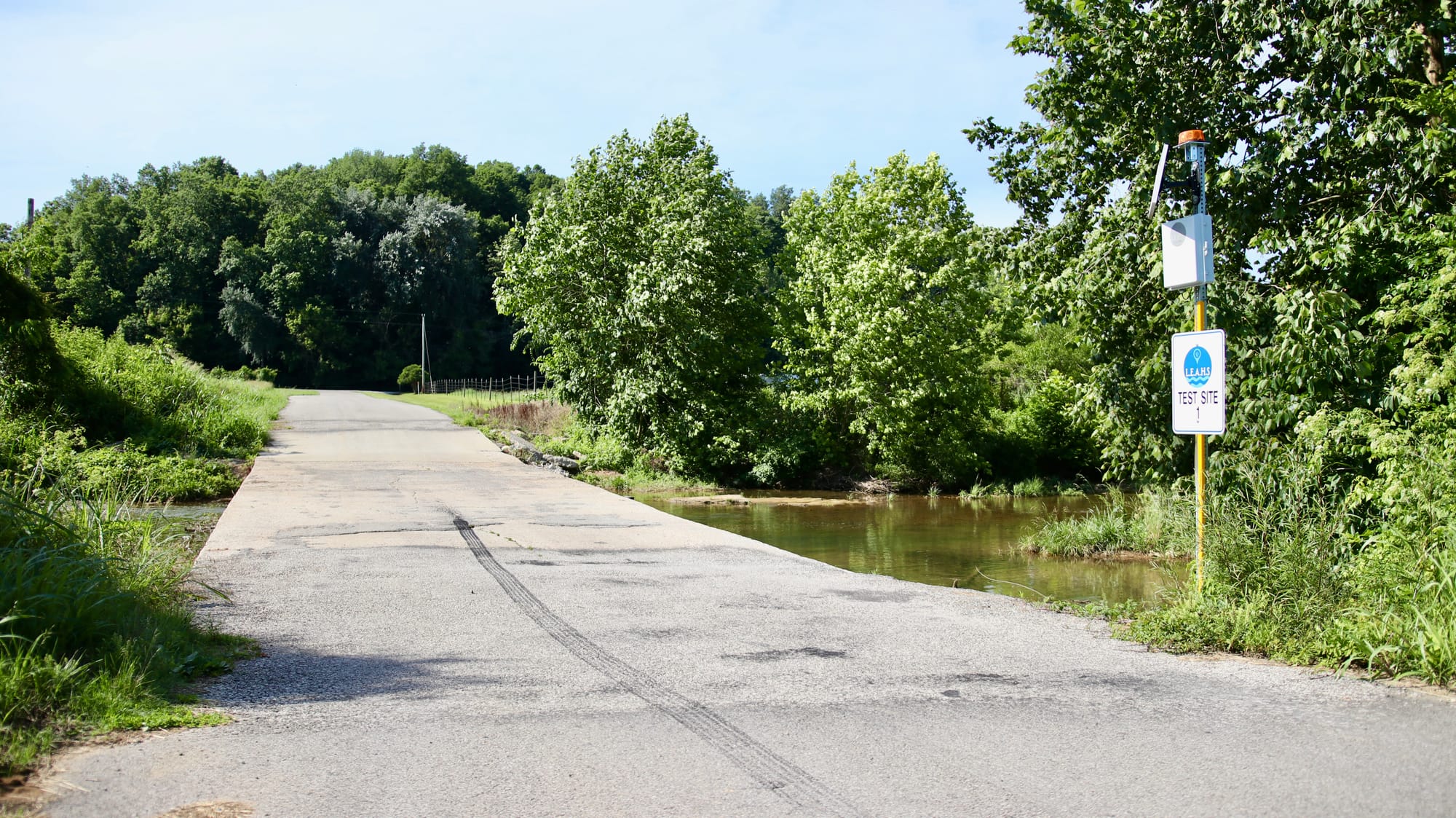
The first test site was ultimately selected along Kino Eighty Eight Road in the southeastern part of Barren County. The low-water crossing over Falling Timber Creek offers clear visibility for motorists approaching from either direction, making it an ideal location to evaluate the effectiveness of the alarm system.
According to the Barren County Road Department, there are approximately 17 low-water fords throughout the county where water can flow over the roadway during periods of flooding.
Gilliam said the county plans to install at least two more warning systems over the next month, though their locations have not yet been finalized.