
Boys & Girls Club uses simulator to teach teens about opioid impairment
The simulator glasses were purchased using a portion of Glasgow’s opioid settlement funds designated for the Boys & Girls Club.
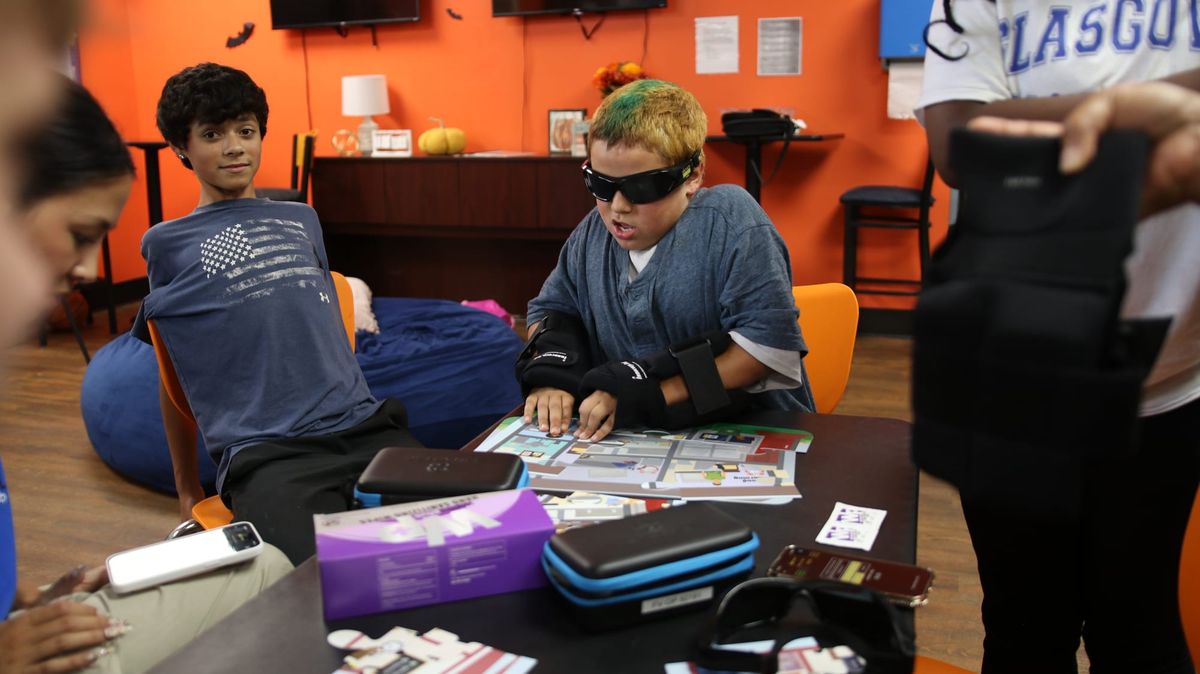
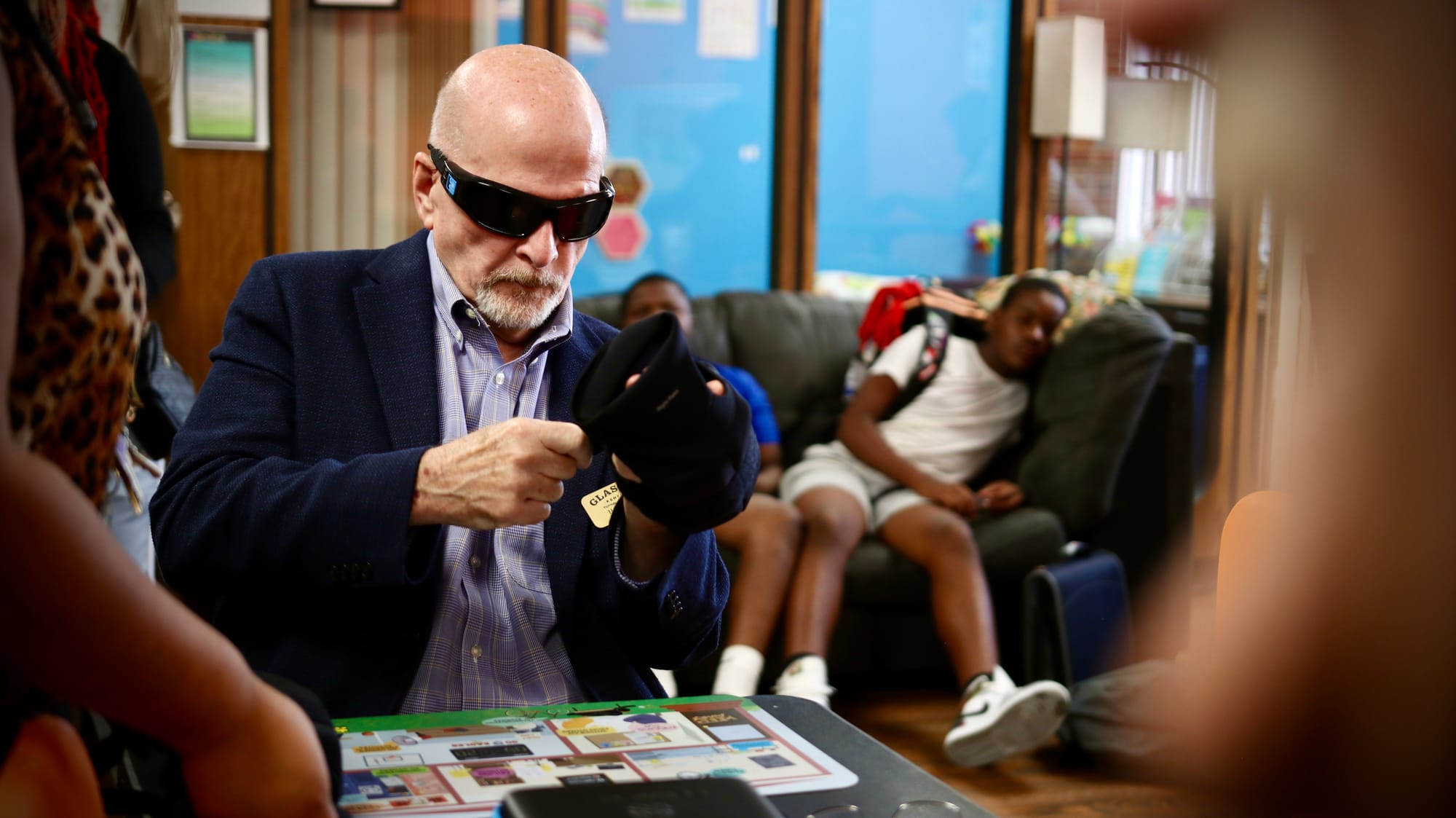
GLASGOW, Ky. — Boys & Girls Club of Glasgow-Barren County teens got a hands-on lesson Friday about the effects of opioid impairment, using special glasses designed to simulate how the drugs can affect coordination, reaction time and vision.
The “Fatal Vision” Opioid Simulator Glasses are designed to mimic some effects associated with opioid intoxication, including blurred vision, slowed reaction time and impaired coordination.
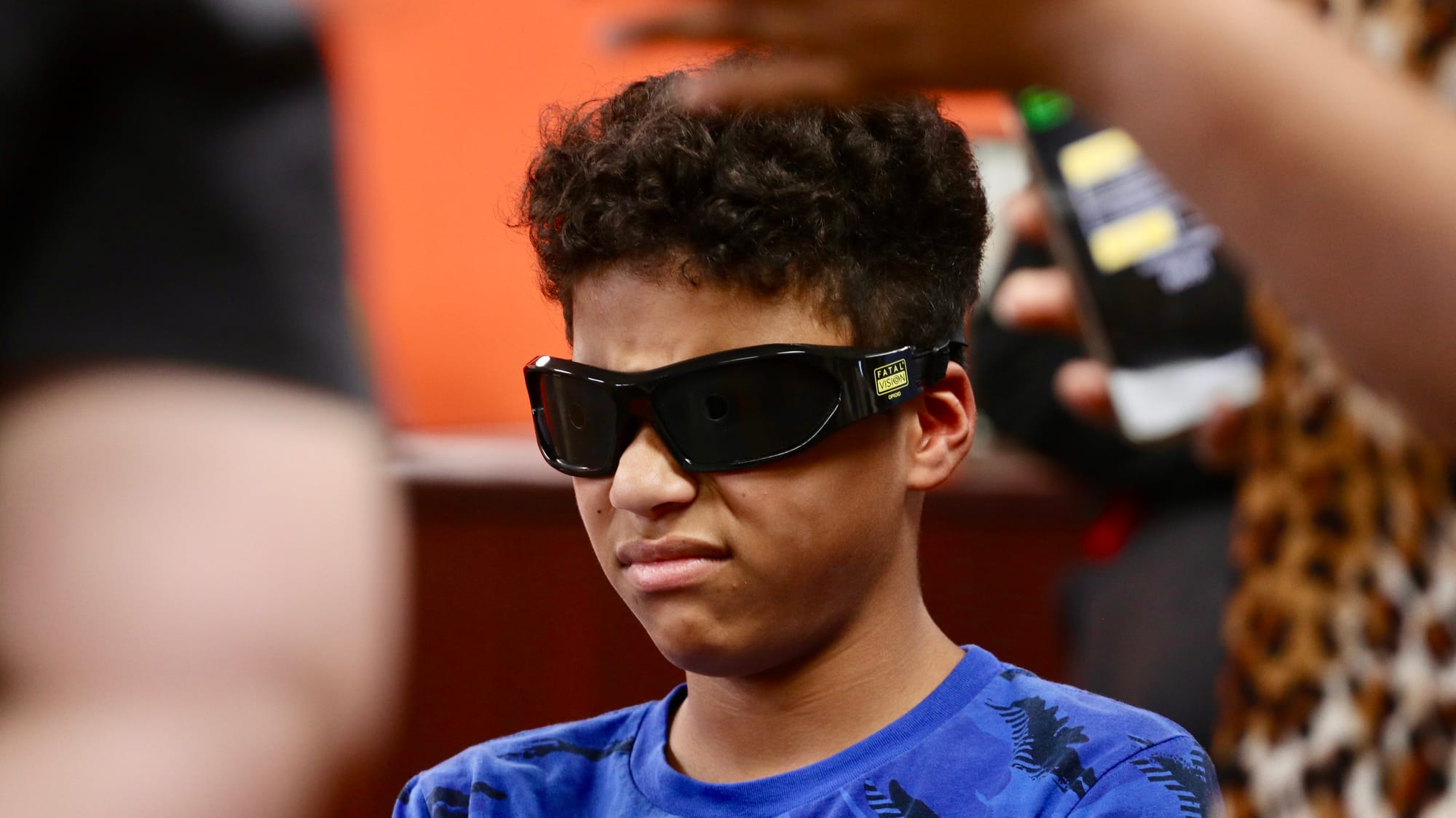
While wearing the glasses, teens were asked to complete routine activities using weights and other hands-on exercises. The goal was to give them an experience that went beyond simply hearing about the risks of opioid use.
“We want them to be able to understand these dangers in a way that goes beyond simply hearing about them,” said Gabrielle Hayes, director of development and family resources coordinator for the Boys & Girls Club.
Hayes said the program is intended to help teens understand how impairment can affect their own safety and the safety of those around them.
The simulator glasses were purchased with a portion of Glasgow’s opioid settlement funds designated for the Boys & Girls Club.
Glasgow City Council approved a memorandum of understanding with the club in March providing $50,000 annually from the city’s share of opioid settlement funds. The agreement calls for the money to support a full-time behavioral support specialist, weekly small-group prevention programs and other youth services.
The city’s opioid settlement funds come from money distributed to local governments as part of nationwide settlements involving companies accused of contributing to the opioid crisis.
The simulator also gave local officials an opportunity to experience the program firsthand.
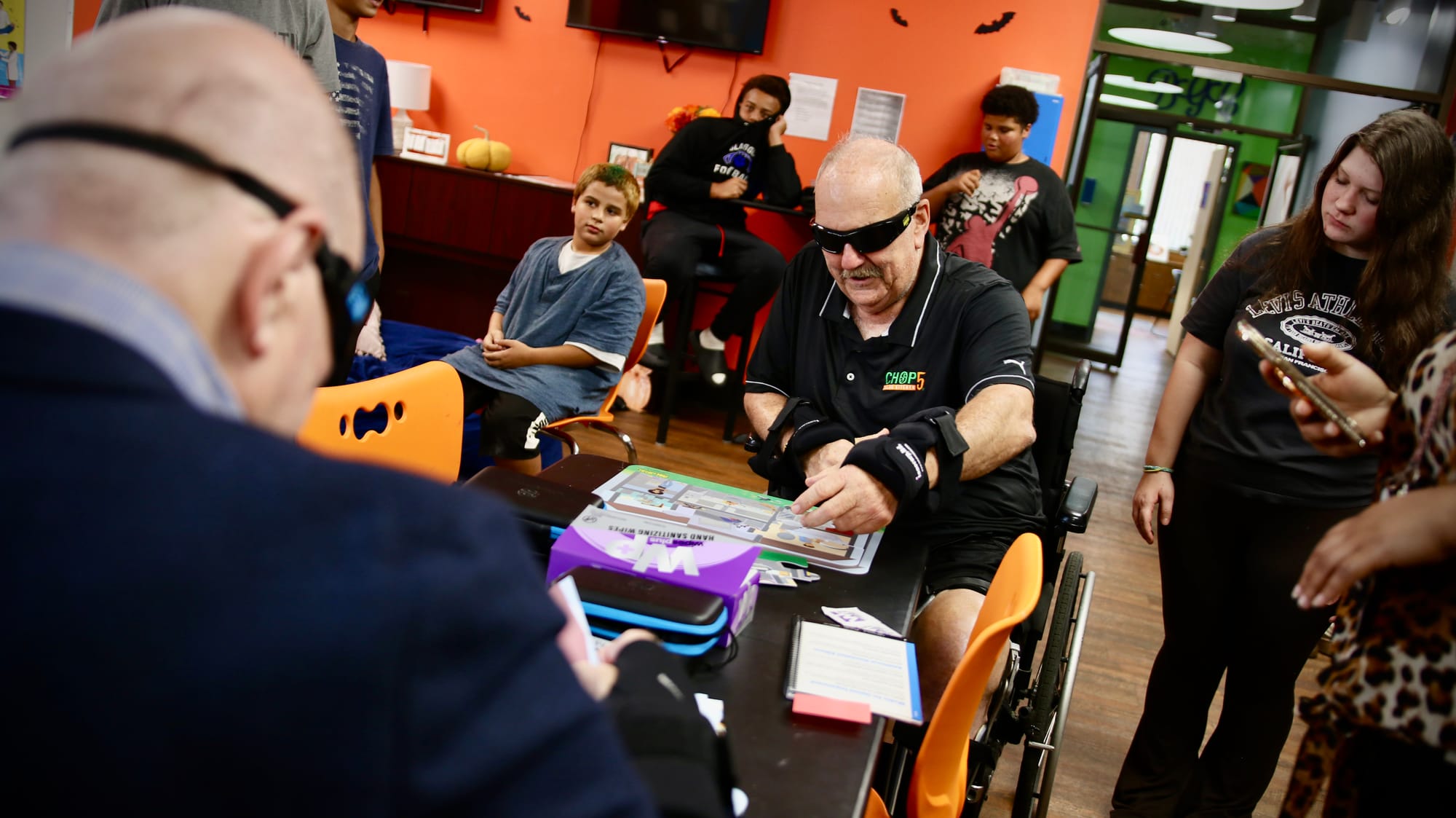
Glasgow Mayor Henry Royse joined students Friday to try the glasses, competing against Boys & Girls Club Board Chairman Patrick Gaunce to see who could finish a puzzle first.
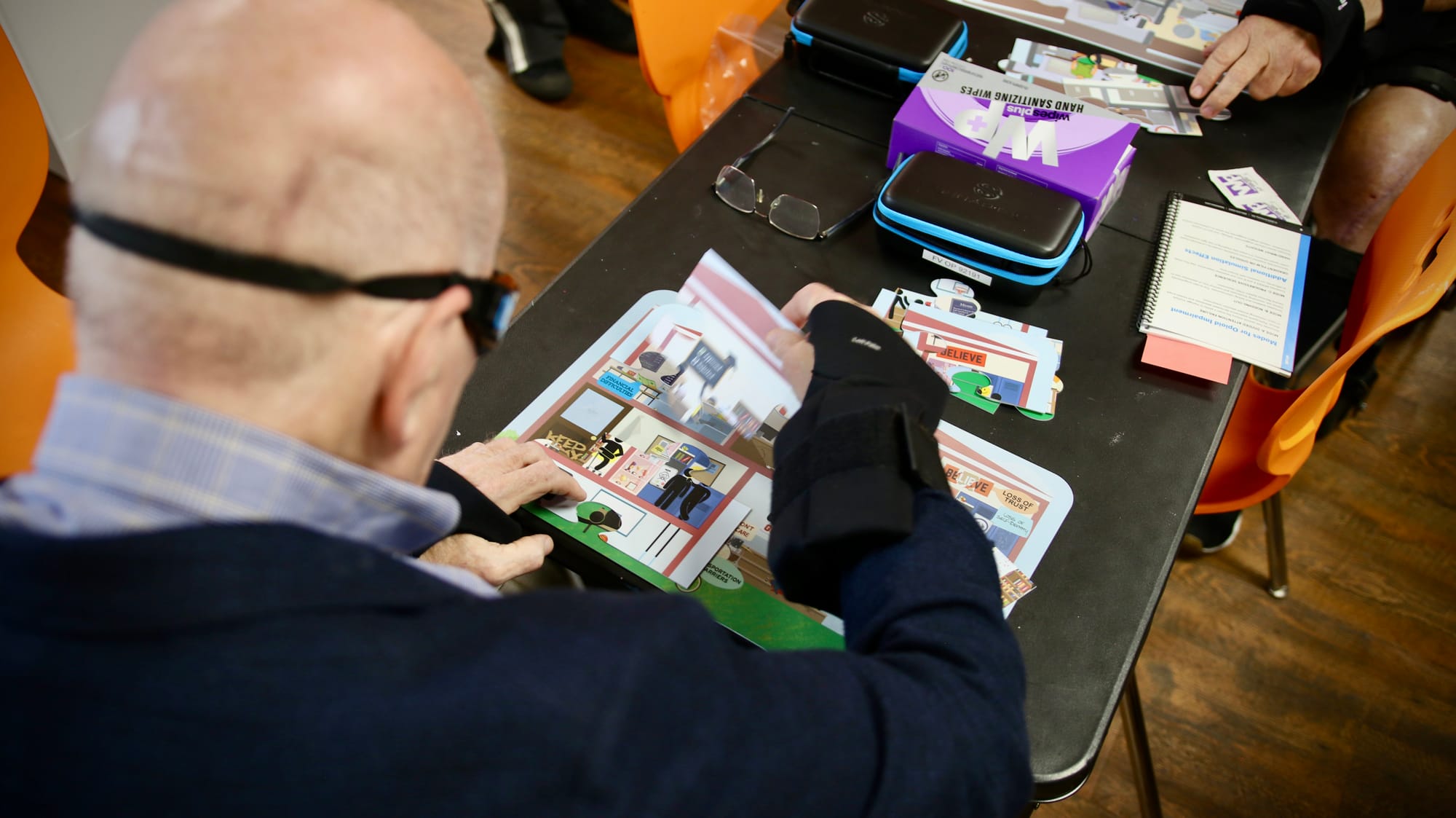
Hayes controlled the glasses through an app as Royse and Gaunce attempted to complete the puzzle.
“I couldn’t look at it long enough to figure out where the interconnecting piece would meet the other piece,” Royse said.
Gaunce said the changing effects made it difficult to stay focused on the task.
“It was going in and out,” Gaunce said. “I would try to concentrate to where I was going but then they’d switch.”
The glasses offer three simulations that progressively increase the effects of impairment.
One mode, called “divided attention failure,” simulates how opioids can affect the brain’s ability to manage multiple stimuli. Another, called “nodding out,” simulates sedation and fading consciousness. The final mode, “progressive sequence,” combines the effects of the first two simulations.
The Boys & Girls Club plans to use the glasses in additional programming, including community events where adults and other community members can try the simulation and learn more about opioid impairment.
Rather than simply describing how impairment can affect a person, the simulation allows participants to experience how routine tasks can become more difficult when coordination, reaction time and attention are affected.
The bottom line
Boys & Girls Club teens are using opioid simulator glasses to experience some of the effects associated with opioid impairment. The equipment was purchased with Glasgow’s opioid settlement funds, and the club plans to make it available for future community programming.