
Breaking down Kentucky Industrial Alliance’s lawsuit against Cave City
The next major milestone will come July 20, when a judge hears arguments on whether the moratorium should remain in place while the case continues.
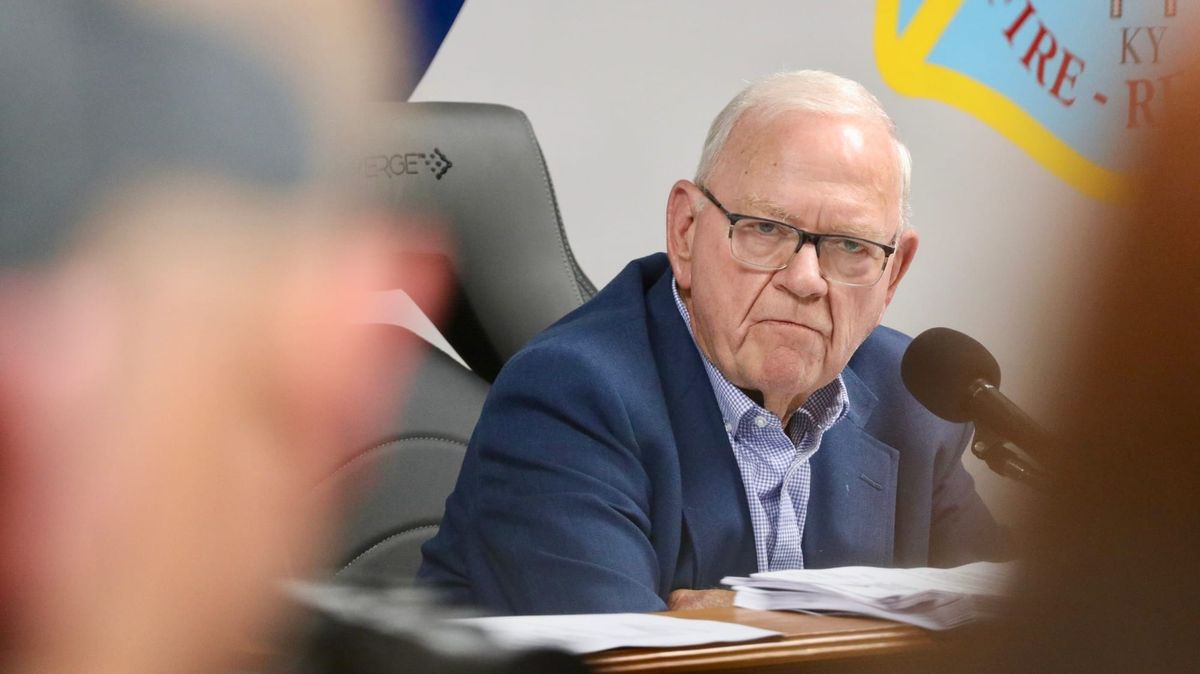
GLASGOW, Ky. — A lawsuit filed by Kentucky Industrial Alliance against Cave City has brought the community's data center debate into a Barren County courtroom.
The lawsuit centers on a series of legal questions: Did Cave City follow Kentucky law when it adopted a moratorium on data center development? Can a city halt a project after a developer has filed plans? And what rights, if any, does a developer gain after investing millions of dollars in a project?
Barren Circuit Court Judge John T. Alexander will begin considering some of those questions for a hearing next month when Kentucky Industrial Alliance seeks a preliminary injunction that would temporarily block enforcement of the moratorium while the broader lawsuit proceeds.
What is a preliminary injunction?
A preliminary injunction is a temporary court order issued before a case is fully resolved.
Kentucky Industrial Alliance is asking the court to suspend Cave City's moratorium and allow its development application to continue moving through the planning process while the lawsuit is litigated.
 Brennan Crain
The company argues it faces immediate harm because its development plan cannot advance while the moratorium remains in effect.
According to court filings, the Joint City-County Planning Commission has indicated it will not consider the company's plan during the moratorium.
A hearing on the injunction request is scheduled for July 20 in Barren Circuit Court.
How did the dispute begin?
The timeline of events is likely to play a major role in the case.
Kentucky Industrial Alliance purchased the Branstetter Farm in Cave City after first obtaining an option on the property in 2023. According to an affidavit filed in court, the property was intended to be developed as an industrial park.
The company says it was later approached in late 2025 by representatives of a company interested in constructing a data center on the site. According to court filings, those representatives indicated the proposed facility would generate its own power and use a closed-loop cooling system.
In March 2026, Kentucky Industrial Alliance entered into an agreement to purchase additional property connected to the proposed development and ultimately spent about $2 million on the acquisition.
 Brennan Crain
Meanwhile, local officials were considering amendments to Cave City's zoning ordinance related to data centers.
On April 30, the Joint City-County Planning Commission unanimously recommended a zoning amendment that would have specifically allowed data centers in Cave City's heavy industrial district while imposing several restrictions, including requirements related to power generation, water use and setbacks from residential areas.
During that meeting, Planning Director Kevin Myatt told commissioners that data centers were not specifically addressed in the city's zoning ordinance and therefore were effectively permitted under existing regulations.

He said the proposed amendment was intended to regulate where data centers could locate and establish standards for their operation.
According to court filings, Kentucky Industrial Alliance submitted its development plan on May 11. The planning office accepted the application on May 13.
Later in May, Cave City adopted a moratorium on data center development, temporarily halting consideration of such projects.
The moratorium was approved May 20.
What is Kentucky Industrial Alliance arguing?
The company has raised several legal claims.
One of its primary arguments is that the moratorium functions as a zoning regulation and therefore should have gone through procedures required by Kentucky planning and zoning law.
The lawsuit argues that zoning changes generally must be reviewed by the planning commission before being adopted by a city council. Kentucky Industrial Alliance contends the moratorium was enacted without those required steps.
The company alleges the city bypassed the planning commission review process and did not follow statutory procedures governing zoning actions.
 Brennan Crain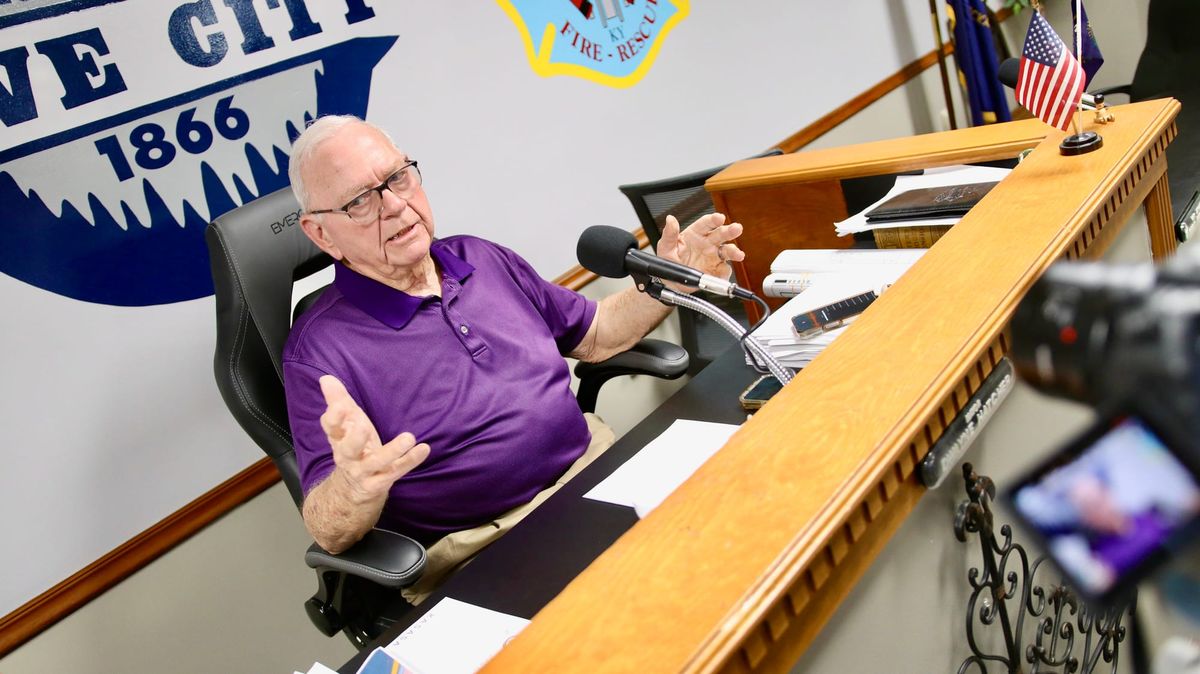
The company also argues it had already invested substantial sums into the project before the moratorium was adopted.
According to court filings, Kentucky Industrial Alliance spent approximately $2 million acquiring additional property tied to the proposed development and incurred additional engineering, planning and development expenses.
The lawsuit argues those expenditures, combined with the filing and acceptance of its development plan, created legal rights that should not be impaired by actions taken after the application was submitted.
Kentucky Industrial Alliance alleges the moratorium was introduced and voted upon at the May 11 council meeting despite not appearing on the meeting agenda.
The company further argues the city used special meetings on May 18 and May 20 to complete adoption of the ordinance.
What is Cave City's position?
Cave City had not yet filed a formal response to the injunction request as of Thursday.
However, city officials have consistently said they are trying to understand and regulate a type of development that could have significant impacts on local infrastructure.
 Brennan Crain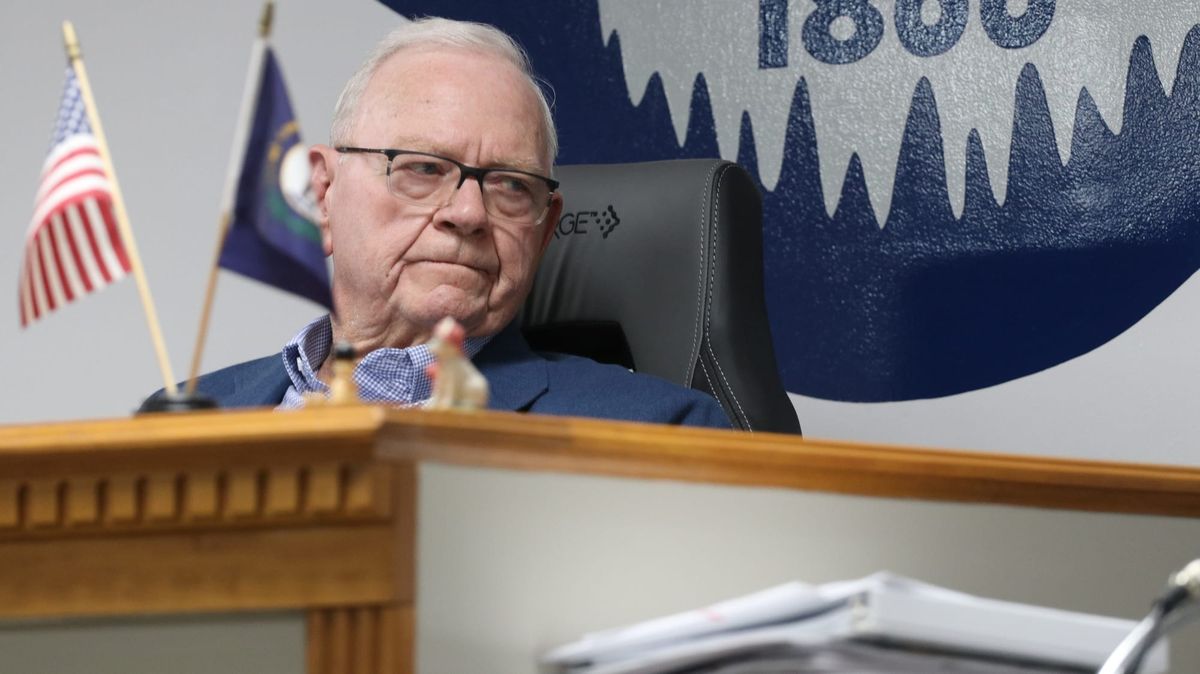
When the planning commission considered the proposed zoning amendment in April, Cave City Mayor Dewayne Hatcher told commissioners the city did not want to eliminate the possibility of future data center development but wanted restrictions in place so officials could evaluate any proposal that might arise.
Supporters of the moratorium have also raised concerns in recent weeks about issues such as electricity demand, water usage, noise, infrastructure impacts and compatibility with surrounding land uses.
The city is expected to present its legal arguments in court filings and at the July hearing.
Why does the accepted application matter?
One of the most significant issues in the lawsuit may be whether Kentucky Industrial Alliance's application was filed and accepted before the moratorium took effect.
Court records show the company submitted a development plan on May 11 and the planning office accepted it on May 13.
Kentucky Industrial Alliance argues that because its application was already in the system, it should be allowed to continue through the review process under the rules that existed at the time.
The company claims the moratorium improperly halted that process after the fact.
Whether Kentucky law protects an application that was filed before a moratorium is imposed will likely become one of the central issues in the case.
What happens next?
The July 20 hearing will not determine whether a data center ultimately gets built in Cave City.
Instead, the court will decide whether the moratorium should remain in place while the lawsuit moves forward.
If the court grants the injunction, Kentucky Industrial Alliance's development application could resume moving through the planning process while the broader legal challenge continues.
If the injunction is denied, the moratorium will likely remain in effect while the lawsuit proceeds.
What else to know
At this stage, the court has not ruled on any of Kentucky Industrial Alliance's claims, and Cave City has not yet formally responded to the injunction request.
For now, the lawsuit represents competing legal arguments about how Kentucky's planning and zoning laws apply when a city moves to halt a development project after an application has already been filed.
 Brennan Crain
The next major milestone will come July 20, when a judge hears arguments on whether the moratorium should remain in place while the case continues.
That hearing will be held on the third floor of the Barren County Courthouse, beginning at 9 a.m. The public is able to attend.
View the lawsuit exhibits, motion for the injunction, and a legal brief supporting the injunction.