
Federal review finds former Glasgow clinic contributes to historic district
The National Park Service says the former Howard Clinic contributes to Glasgow’s historic district, adding a preservation consideration to plans for the Highland Heights senior housing development.
What you need to know:
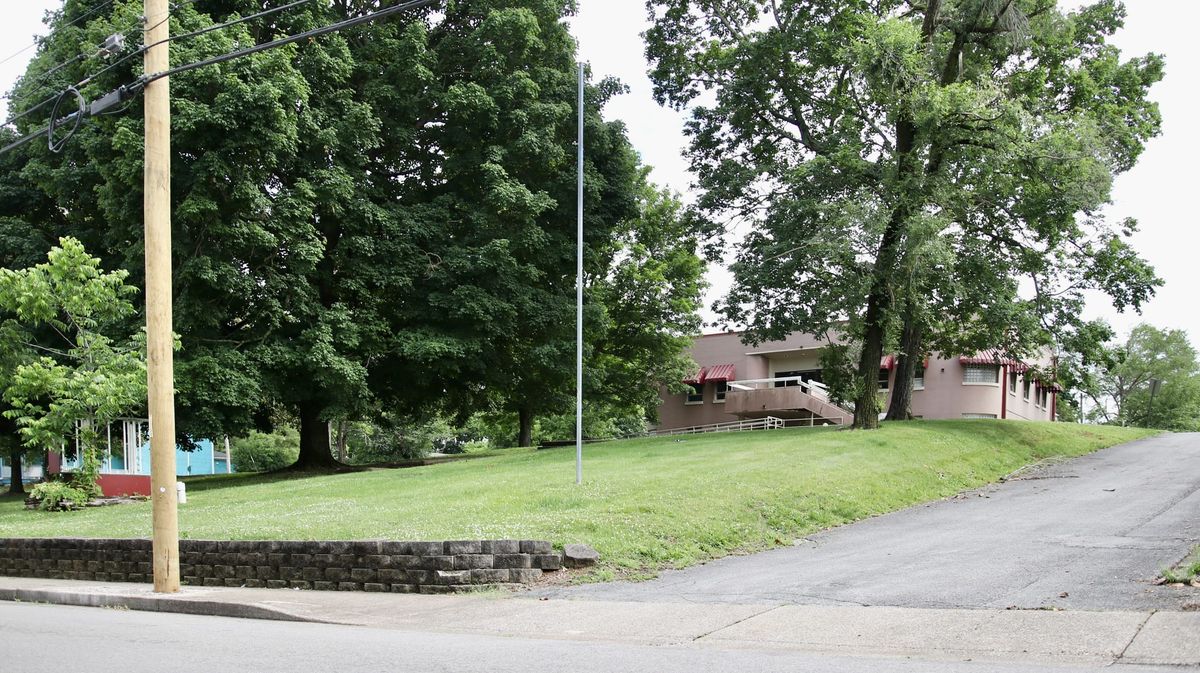
- The National Park Service says the former Howard Clinic at 318 West Washington St. should be considered a contributing property to the Southwest Glasgow Residential District.
- The finding means the building’s historic significance must be considered as part of the federal review of the proposed Highland Heights senior housing development. It does not automatically prevent demolition.
- Wabuck Development says it remains committed to moving the project forward but has not said whether its plans to demolish the clinic could change.
GLASGOW, Ky. — The former Howard Clinic in Glasgow should be considered part of a historic district, according to the National Park Service, which sided with the state’s historic preservation office in a disagreement over the building’s status.
The building at 318 West Washington St. once housed Dr. C.C. Howard’s medical office and later served as the Barren County Health Department for many years.
It is part of the property proposed for Highland Heights, an affordable senior housing development pursued by HERO Foundation Inc., with Wabuck Development representing the project.
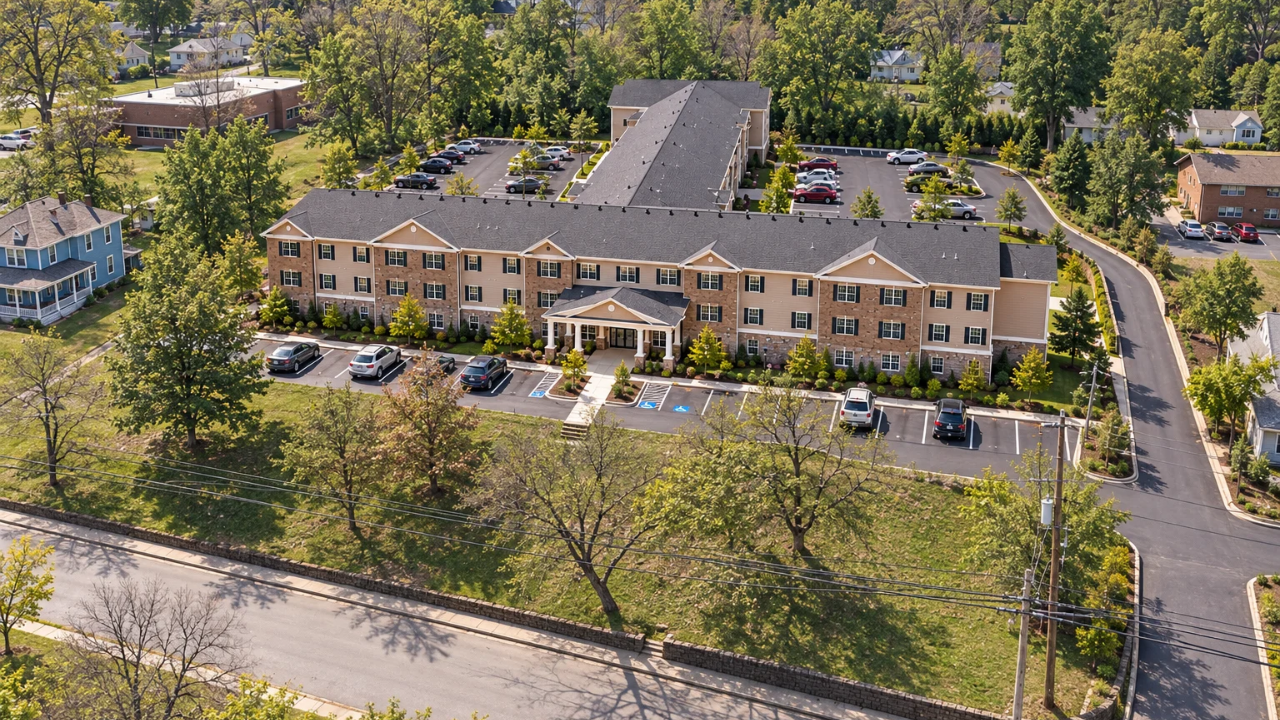
The disagreement centers on whether the former clinic contributes to the historic character of the Southwest Glasgow Residential District.
The developer or its consultant determined the building was not a contributing property. But in an Oct. 20 letter to Wabuck, Kentucky State Historic Preservation Officer Craig A. Potts disputed that assessment.
“We disagree with your assessment,” Potts wrote, noting that the building was identified as contributing in the district’s National Register of Historic Places documentation. Potts also said demolishing the building would adversely affect a historic property.
 Brennan Crain
Because the developer disagreed with the state’s assessment, the Kentucky Heritage Council referred the question to the National Park Service, which administers the National Register and makes determinations regarding listed properties.
In a response provided to Barrenside, N. Nicole Konkol, site protection program administrator for the Kentucky Heritage Council, shared the National Park Service’s findings.
The review looked at the original 1983 documentation for the Southwest Glasgow Residential District. According to the National Park Service reviewer, the map included with that listing appears to show the former clinic property as lots 10 and 10A.
The map does not identify those lots as an “intrusion,” a designation used for properties that do not contribute to a historic district.
Although the original nomination did not include a separate survey card for the clinic, the reviewer said the map supported treating the property as contributing when the district was first listed.
The reviewer also said the building appears to date to the 1940s, possibly the late 1930s, and appears to have undergone few, if any, changes since the original nomination. Based on that review, the reviewer said the property’s historic status has not changed.
A contributing property is a building or site that helps establish the historic character of a larger district. It does not necessarily mean the building is individually listed on the National Register.
The review also addressed the district’s period of significance, which identifies the years associated with its historic importance. A 1952 end date cited in later documentation applied to an expansion of the district’s boundaries, the reviewer said, not the original 1983 listing.
What the finding means for the project
The finding comes as Highland Heights undergoes review under Section 106 of the National Historic Preservation Act. The law requires federal agencies to consider how projects they carry out, fund or approve could affect historic properties.
The Kentucky Heritage Council previously confirmed to Barrenside that consultation on the project had begun. That process involves the federal agency overseeing the project, the State Historic Preservation Office and other consulting parties, and provides opportunities for public input.
The National Park Service’s finding does not, by itself, prevent the clinic from being demolished. It means the building’s historic status must be considered as the federal agency evaluates the project and its potential effects.
 Brennan Crain

Under federal regulations, if the agency determines the proposed demolition would adversely affect a historic property, it must consult with preservation officials and other parties to consider ways to avoid, minimize or mitigate those effects.
A project application submitted by Wabuck lists an estimated $18.1 million in total funding, including $1 million in federal funding and $17.1 million from other sources.
The proposed financing includes low-income housing tax credits and National Housing Trust Fund resources administered by the Kentucky Housing Corporation.
The application also lists Section 8 Project-Based Vouchers through the Glasgow Housing Authority for eligible residents. The specific federal agency overseeing the historic-preservation review and the federal funding or approval triggering the Section 106 process have not been confirmed to Barrenside.
Highland Heights is proposed as a three-story building with 75 one-bedroom apartments for seniors. The development would replace the former health department building and remove existing greenspace and mature trees.
Residents have raised concerns
The historic-preservation question has also surfaced during earlier discussions about the development.
In October, a judge dismissed a lawsuit filed by six residents challenging the property’s rezoning. The dismissal was based on a procedural issue: the residents had not named Barren County Fiscal Court, which owns the property, as a party.
The judge did not rule on the residents’ underlying objections.
 Brennan Crain
In a statement following the ruling, the residents said they continued to question whether the development’s potential effects on the Southwest Glasgow Historic District had been adequately considered during the planning process.
In a statement to Barrenside, Wabuck Development said it recognizes the preservation office’s role but remains committed to advancing Highland Heights.
“Community investments of the size and scope of Highland Heights require coordination and input from multiple state and federal agencies,” the company said. “On behalf of our client, HERO Foundation, Inc., and in recognition of the significant benefits this development will bring to the residents of Barren County, we acknowledge SHPO’s role in the review process and remain committed to working cooperatively with all agencies involved as we continue moving this important affordable senior housing development forward.”
Wabuck did not address whether the development’s plans could change to accommodate the preservation concerns or confirm whether demolition remains part of its proposal.
The Section 106 review’s lead federal agency and expected completion timeline have not been confirmed to Barrenside.