Parvo concerns linger despite no new cases at Weldon Park
Dr. Steve Webb, owner of the Animal Clinic on West Main Street in Glasgow, said parvo remains a serious but largely preventable disease.
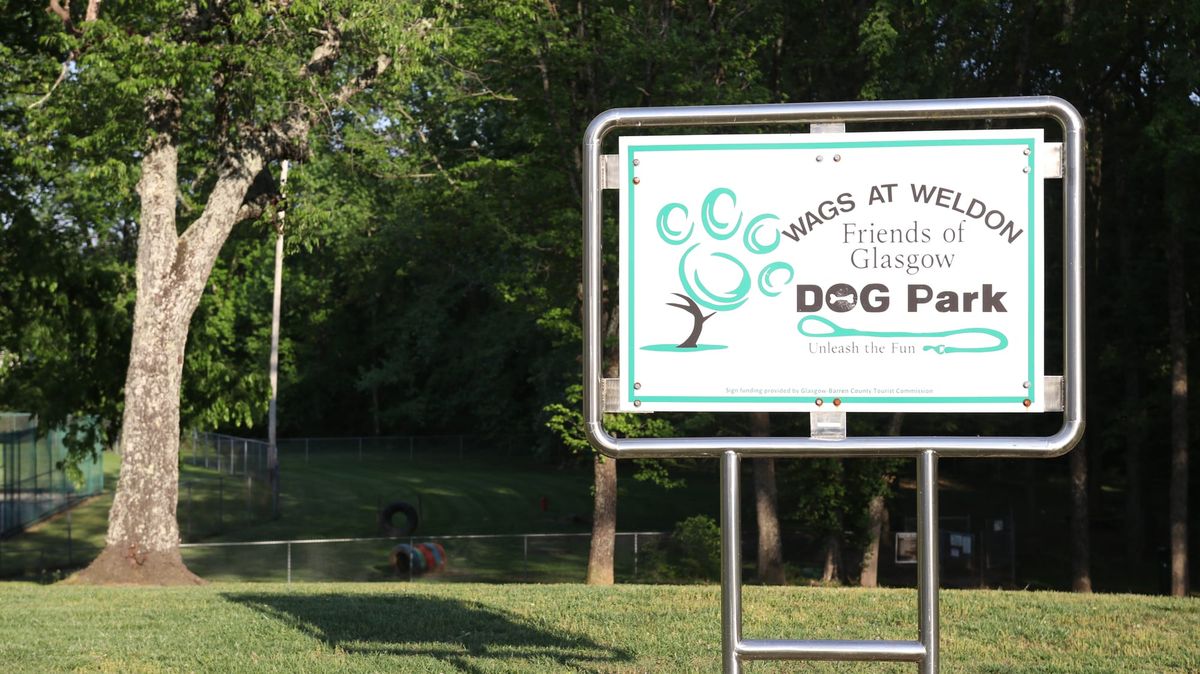
GLASGOW, Ky. — Weeks after warning residents about potential exposure at Weldon Park, city officials say no new cases of canine parvovirus have been reported, offering a measure of reassurance but not an all-clear.
The advisory, issued earlier this month, urged residents to avoid bringing unvaccinated dogs to the park after two puppies were confirmed to have the highly contagious virus, according to the Glasgow Police Department, which oversees animal control.
Canine parvovirus, commonly known as parvo, attacks a dog’s gastrointestinal system and white blood cells, according to the American Veterinary Medical Association. It spreads through contact with infected dogs, their feces or contaminated surfaces and can persist in the environment for long periods.
Mayor Henry Royse said the city quickly sought guidance from Dr. Jim Heltsley, who made clear the limits of what could be done in an outdoor setting.
“There’s no real way to spray or cover that large area,” Royse said.
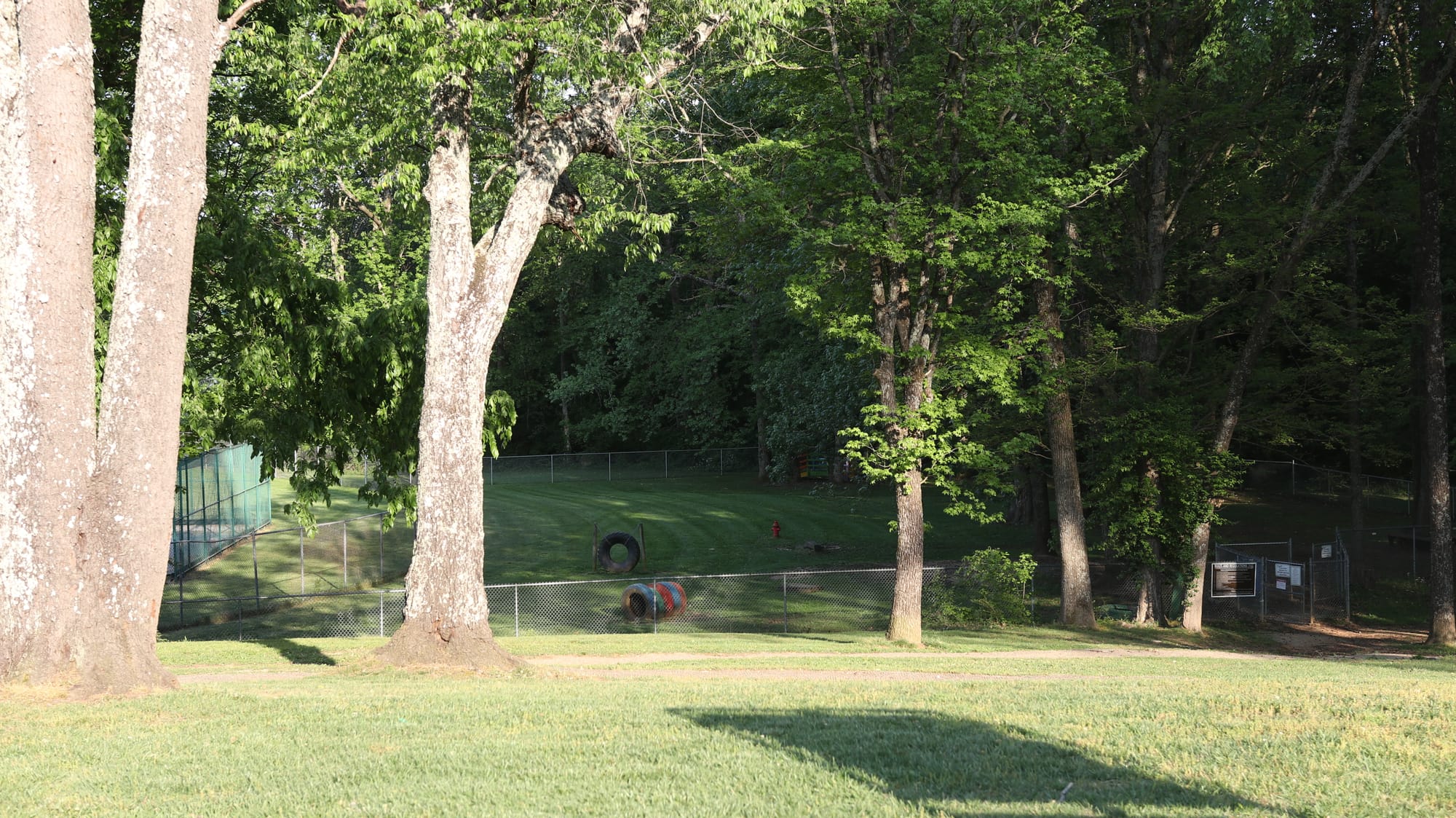
While officials initially believed the cases were confined to the Wags at Weldon Dog Park, Royse said the infected puppies had moved throughout the park, increasing the likelihood the virus spread beyond a single contained space.
“The real solution is to avoid visiting unless your dog is vaccinated,” Royse said.
Veterinarians say prevention, not eradication, is the key.
Dr. Steve Webb, owner of the Animal Clinic on West Main Street in Glasgow, said parvo remains a serious but largely preventable disease.
“The number one way to avoid parvo is through vaccination,” Dr. Webb said.
The virus most commonly affects puppies between 6 and 20 weeks old, as well as dogs that are unvaccinated or have not completed their full vaccination schedule.
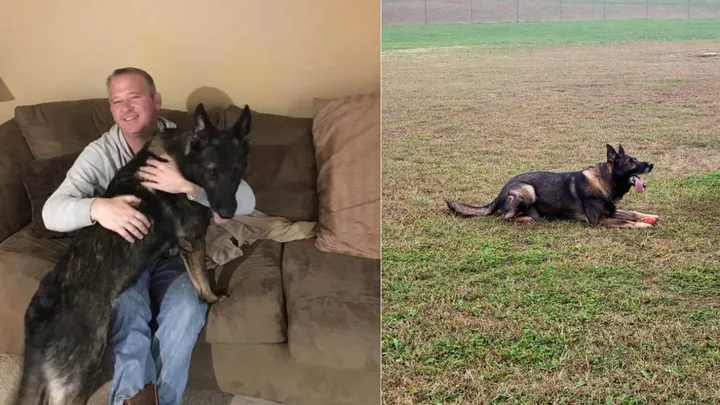
Certain breeds, including Rottweilers, Doberman Pinschers, German Shepherds and bull terriers, may face a higher risk.
“Things like coyotes can even carry it,” Dr. Webb said. “It doesn’t impact people.”
Webb said he frequently treats cases involving young puppies that were recently weaned but did not receive follow-up vaccinations after being sold or adopted.
“They need several boosters, sometimes three to four times,” he said.
Most dogs require a series of vaccinations through about 16 weeks of age, with additional boosters sometimes needed depending on maternal antibodies.
Even with precautions, both Webb and Heltsley emphasized that eliminating the virus entirely is unrealistic.
“It’s a virus so you’re never going to entirely eradicate it,” Webb said.
Over time, environmental factors like sunlight, drying and natural degradation can reduce the virus’s presence, but it can easily be reintroduced, often without an owner realizing it.
“There’s nothing they can do other than get people to vaccinate their dogs,” Webb said.
For dogs that do become infected, outcomes can vary. Older, larger dogs tend to fare better, while younger and smaller animals are more vulnerable to severe complications.
Treatment typically focuses on supportive care, including IV fluids and monoclonal antibodies.
“It’s more supportive care to get them over it,” Webb said.
Once a dog shows symptoms, which can include lethargy, loss of appetite, vomiting and severe, often bloody diarrhea, vaccination is no longer effective, making early prevention critical.
“The real insidious thing is this virus can be transmitted by birds or on your shoes and brought into your house,” he said.
Because of that risk, Webb said he takes extra precautions at home and in his clinic.
“We do our best to keep the clinic clean but we’re a hospital,” Webb said. “There are sick animals here.”
No additional guidance has been issued by the city beyond advising residents to avoid the park if their dogs are unvaccinated. Weldon Park remains open, and pet owners are encouraged to enter at their own risk.