
Sexually grooming children now a crime in KY among other legislation signed by governor
For perpetrators in trusted positions, grooming a minor is a Class D felony unless the minor is younger than 12, in which case it is a Class C felony.
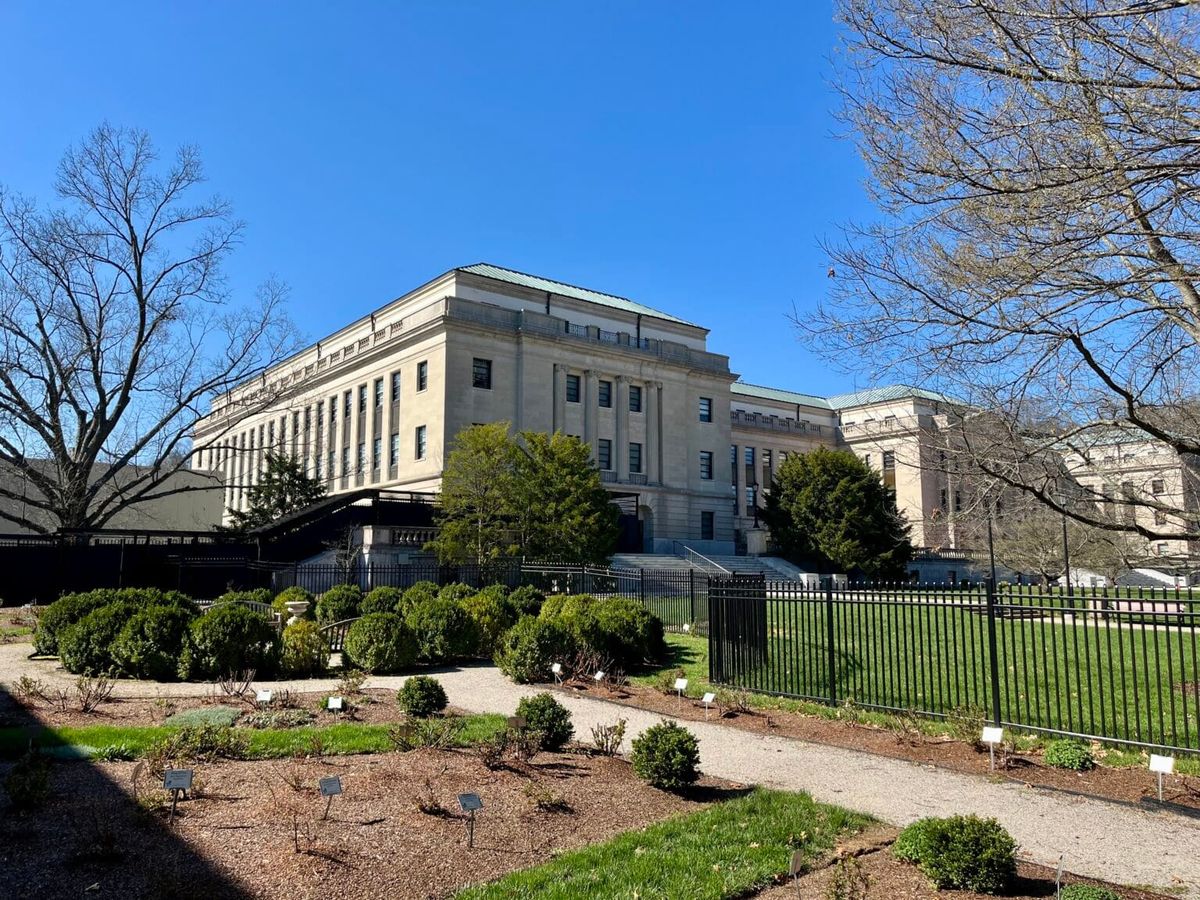
From required expulsions for violent students to safety protocols around organ donation, Kentucky has several new laws.
The General Assembly broke for a veto period on April 2, a window during which Gov. Andy Beshear can veto legislation. Lawmakers can override his pen when they return to Frankfort Tuesday and Wednesday to wrap up the 2026 regular session.
During this break, Beshear has signed a slew of bills into law, including several pieces of health and child welfare policy.
In a Tuesday statement, Beshear said, “Health care is a basic human right, and there are so many areas we can invest and improve to better support Kentuckians throughout their lifetime.”
On Friday, he said “we have a sacred duty to protect our fellow Kentuckians.”
Here are some of the health and child welfare policies Beshear has signed into law during the veto period.

Easier path to practice for foreign trained doctors
Under Senate Bill 137, internationally trained doctors are allowed to practice in Kentucky under a provisional medical license without having to repeat residency if they have a sponsor in an underserved area of the state and pass Kentucky board exams, among other requirements.
The sponsor pitched it as a way to start addressing Kentucky’s physician shortage and free up residency slots for domestic students.
READ ALSO: KY bill to attract foreign doctors advances amid ‘fever pitch’ anti-immigrant rhetoric
An August 2025 report from the Legislative Research Commission (LRC) found that Kentucky will have a shortage of nearly 3,000 physicians by 2030.
Most — 107 of Kentucky’s 120 counties — are designated as health professional shortage areas (HPSAs). In these areas, there are around 3,500 patients per provider, according to a 2024 analysis from the Cicero Institute.
Grooming children is a crime
Under House Bill 4 adults who groom a minor for sex can be criminally charged. Groomers face a Class A misdemeanor charge unless the minor is younger than 12 years old, in which case it is a Class D felony.
For perpetrators in trusted positions, grooming a minor is a Class D felony unless the minor is younger than 12, in which case it is a Class C felony.
READ ALSO: Kentucky ‘will not tolerate’ child grooming, House says with unanimous vote
Until now, law enforcement had to wait to charge groomers until they have specifically solicited or assaulted a child, Louis Kelly, the commonwealth’s attorney in Boone and Gallatin counties, previously said.
Beshear signed HB 4, which was a high priority for House Republicans, on April 10.
Support for sexual assault nurse examiners
House Bill 134 directs the Cabinet for Health and Family Services to hire a sexual assault nurse examiner coordinator in an effort to increase access to highly trained nurses who administer rape kits.
Kentucky has a shortage of sexual assault nurse examiners (SANEs), who have advanced training in collecting rape kits and offering trauma-informed care to sexual assault survivors. Additionally, 100 of Kentucky’s 120 counties do not have a SANE-ready hospital.
READ ALSO: Most Kentucky counties have no nurse trained to examine, treat sexual assault victims
Hospitals must have a sexual assault nurse examiner on call 24/7 to qualify for SANE-ready certification, though state law requires emergency departments to be able to examine, collect and report evidence of sexual assault and treat victims.
The Rape, Abuse & Incest National Network helpline is 800-656-4673.
Alternatives to detention
Pushed for by the American Civil Liberties Union of Kentucky and others, Senate Bill 122 would let judges consider a person’s caretaking status when deciding a sentence and refer them for alternatives to detention, including substance use disorder treatment, parenting classes, family counseling and more.
READ ALSO: She missed son’s milestones while jailed in addiction. Now she’s working to change Kentucky law.
Under SB 122, judges will consider if the defendant “has consistently assumed responsibility for the housing, health, education, safety or support of a dependent child, family member or any other person identified by the court as being reliant on the defendant for support” or if the defendant “is a woman who has given birth to a child while awaiting her sentencing hearing, or who remains pregnant while awaiting her sentencing hearing.”
If a person meets those criteria, the court can consider a sentence that keeps the family together. This would not apply to people who have committed violent crimes, including abusing a child.
Coverage for eating disorders
Under House Bill 169, state qualified health insurance cannot use body mass index (BMI) to deny coverage in the treatment of eating disorders.
Eating disorder experts say BMI, when used as an indicator of health on a personal basis rather than as a population measure is problematic. Cutting off treatment when a person reaches a certain weight ignores the mental health component of the disorder, experts have said.
READ ALSO: Kentucky Republican wants to remove BMI from eating disorder treatment standards. Here’s why.
The National Eating Disorders Association has resources and a free screening tool at www.nationaleatingdisorders.org.
Required expulsions
Students who intentionally assault school employees will be expelled for a year under Senate Bill 101 unless their actions were a result of a disability.
Advocates for children have criticized the measure, saying it could set Kentucky kids back further educationally.
Safer organ donation
House Bill 510 requires all organ harvesting happening after death to stop immediately if any sign of life is detected.
The Republican measure says “the success of the organ donation and transplant system depends upon public trust, transparency, and strict adherence to ethical and clinical standards that prioritize patient safety and human dignity.”
More reporting on Alzheimer’s
House Bill 393 requires annual reporting to the Legislative Research Commission on the Office of Dementia Services and the Alzheimer’s Disease and Related Disorders Advisory Council as well as a progress report on the Kentucky Alzheimer’s and Related Dementias State Plan.
READ ALSO: Report shows effects of Alzheimer’s in KY, the disease ‘you can’t see’
HB 393 also requires the council to set annual initiatives aimed at reducing harmful impacts of dementia in Kentucky. These initiatives will be pulled from Kentucky’s 2025-2029 Dementia State Plan.
Stalking definitions broadened
House Bill 521 broadens the definitions of “stalking” to include social media, texting, “internet applications” and more, making it a felony.
Protections for foster kids
House Bill 778 bans any registered sex offender from being approved for foster or fictive kin placement. It also blocks placement of a child into a home if anyone — adult or minor — living in the home is registered as a sex offender.
GET THE MORNING HEADLINES.SUBSCRIBE
Kentucky Lantern is part of States Newsroom, a nonprofit news network supported by grants and a coalition of donors as a 501c(3) public charity. Kentucky Lantern maintains editorial independence. Contact Editor Jamie Lucke for questions: info@kentuckylantern.com.