
Drought, low rainfall driving Barren River Lake levels well below normal
The latest drought monitor issued May 8 by the National Weather Service indicates most of Barren County remains in severe drought conditions.
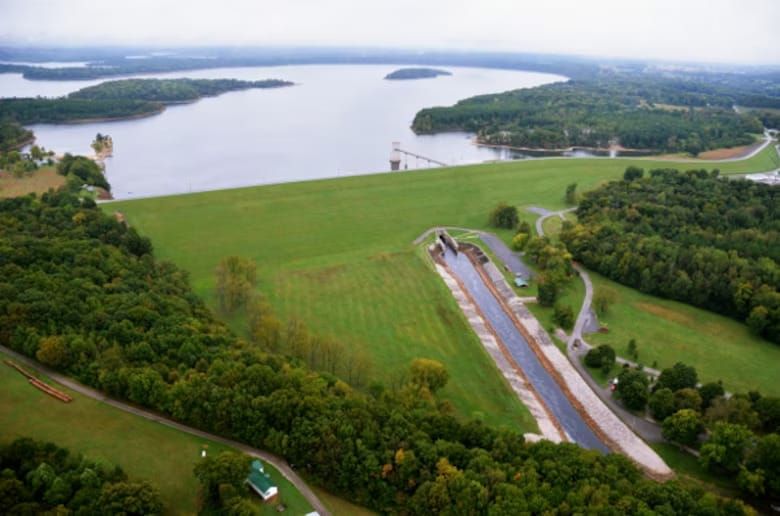
LUCAS, Ky. — Barren River Lake remains open, though officials are cautioning that lower-than-normal water levels could create hazards, particularly for boaters.
According to the U.S. Army Corps of Engineers, Barren River Lake is one of several lakes across Kentucky experiencing lower water levels due to ongoing drought conditions and limited rainfall.
Barren River Lake was at 540.98 feet above mean sea level late Saturday, about 11 feet below summer pool. By comparison, at this time last year, the lake stood at 580.03 MSL.
The lake is currently discharging at the minimum required discharge rate, according to the Corps of Engineers. An approved water control plan dictates how much water must be discharged from the lake during the spring filling season.
“Current conditions are the result of regional drought impacts and limited spring rainfall,” the Corps said.
Officials recommended using extra caution while boating, saying shallow areas and submerged hazards pose the greatest danger. They also recommended planning ahead for launching and other recreation activities.
“We appreciate everyone's patience and support as we continue working with our partners, marinas, and local communities to provide safe and enjoyable recreation opportunities at Barren River Lake,” the Corps said.
The latest drought monitor issued May 8 by the National Weather Service indicates most of Barren County remains in severe drought conditions, with a small portion in the southwest part of the county and areas further west classified as experiencing extreme drought.