Guthrie, Oz meet with Kentucky health care leaders in Glasgow
The visit comes as hospitals prepare for changes to Medicaid under the One Big Beautiful Bill Act, while Kentucky begins putting new rural health funding to work.
GLASGOW, Ky. — Kentucky has been awarded more than $212 million in federal funding for rural health care, while hospitals across the state are also preparing for changes to Medicaid.
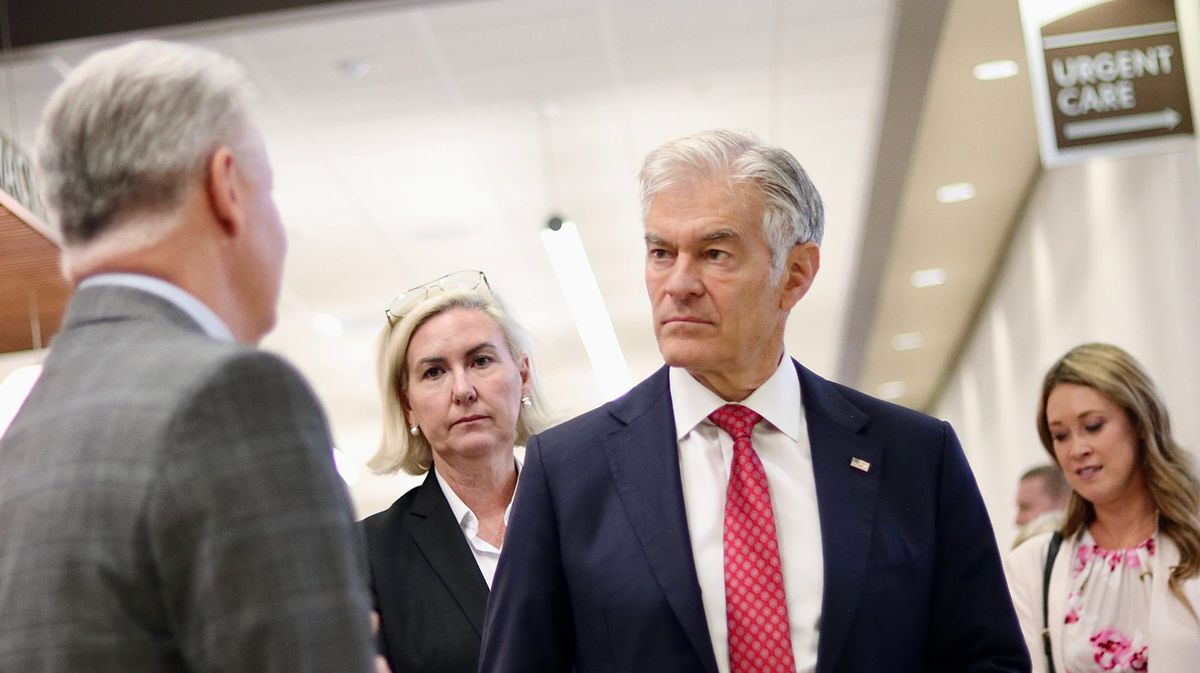
Those issues were at the center of a Friday visit to Glasgow by U.S. Rep. Brett Guthrie and Centers for Medicare and Medicaid Services Administrator Dr. Mehmet Oz.
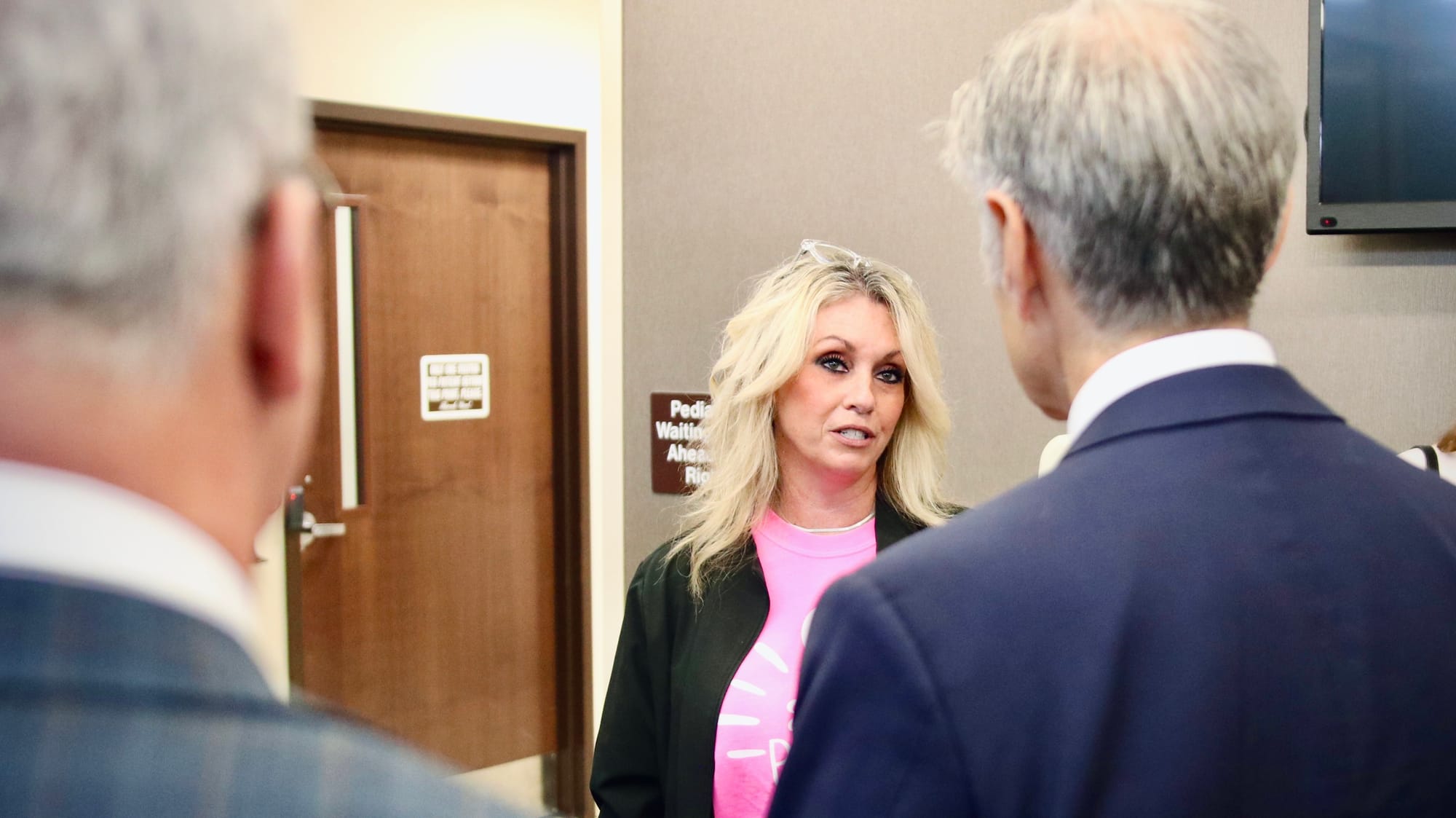
Guthrie, chairman of the House Committee on Energy and Commerce, and Oz toured T.J. Health Pavilion and met with employees and patients before taking part in a roundtable discussion with health care leaders from across Kentucky.
Much of the discussion focused on the Rural Health Transformation Program, a $50 billion federal program created under the One Big Beautiful Bill Act, the federal law passed in 2025.
Kentucky was awarded about $213 million through the program for fiscal year 2026, according to the Centers for Medicare and Medicaid Services.
“It is a dramatic, seismic shift in financing of healthcare in rural America,” Oz said.
Where Kentucky is using the money
Kentucky’s plan focuses on five areas: chronic disease, maternal and infant health, behavioral health, dental care and emergency medical services.
The state plans to use the funding for projects such as rural health hubs, telehealth services, mobile dental care, behavioral health response teams and improvements to rural emergency medical services.
Oz said states had to apply for the funding and will be monitored on how the money is used.
“That’s why I came to visit—to celebrate the money coming into communities like this and find out how it’s being well-spent,” Oz said.
Oz said the funding should help struggling rural hospitals improve the care they provide rather than simply building more facilities.
“We don’t want to build things, because we don’t think that’s where the problem is, but we can certainly create programs that help struggling hospitals,” Oz said.
Oz said some rural hospitals are struggling because patients are choosing to travel to other communities for what they believe is higher-quality care.
“If you elevate the quality of the experience in the hospital, then you change that dynamic,” Oz said.
What about Medicaid?
The new rural health funding comes as hospitals prepare for changes to Medicaid under the One Big Beautiful Bill Act.
Neil Thornbury, CEO of T.J. Regional Health, said the health system is preparing for those changes because many of the patients it serves rely on Medicaid to pay for their health care.
“I think for us it’s just trying to be sustainable as an independent health system,” Thornbury said. “Our position on that really is how do we position ourselves with what is coming toward us with all the reform, with all the changes, and what are services that we feel like we are strong at? We need to do those well.”
About 1.17 million Kentuckians were enrolled in Medicaid as of April 2026, according to the Kaiser Family Foundation.
The Congressional Budget Office estimates the law will reduce Medicaid enrollment by 12.9 million people nationally by 2034, compared with what enrollment would have been without the law.
The figure is a projection of the difference the law is expected to make; it does not mean 12.9 million people have already lost Medicaid coverage.
Gov. Andy Beshear has warned that the federal Medicaid changes could put pressure on Kentucky’s rural hospitals.
“We simply cannot allow our rural hospitals to close,” Beshear said during his 2026 State of the Commonwealth address.
Other health care concerns
Guthrie and Oz also discussed the Trump administration’s efforts to address what it describes as waste, fraud and abuse in government health programs.
Oz said the federal government’s broader goal is to reduce health care spending by helping people become healthier.
Oz described the United States as “twice as fat” as other nations and said obesity is a major driver of chronic illnesses, which contribute to rising health care costs.
“We are not going to get ahead of the healthcare costs in America if we don’t deal with chronic illness,” Oz said.
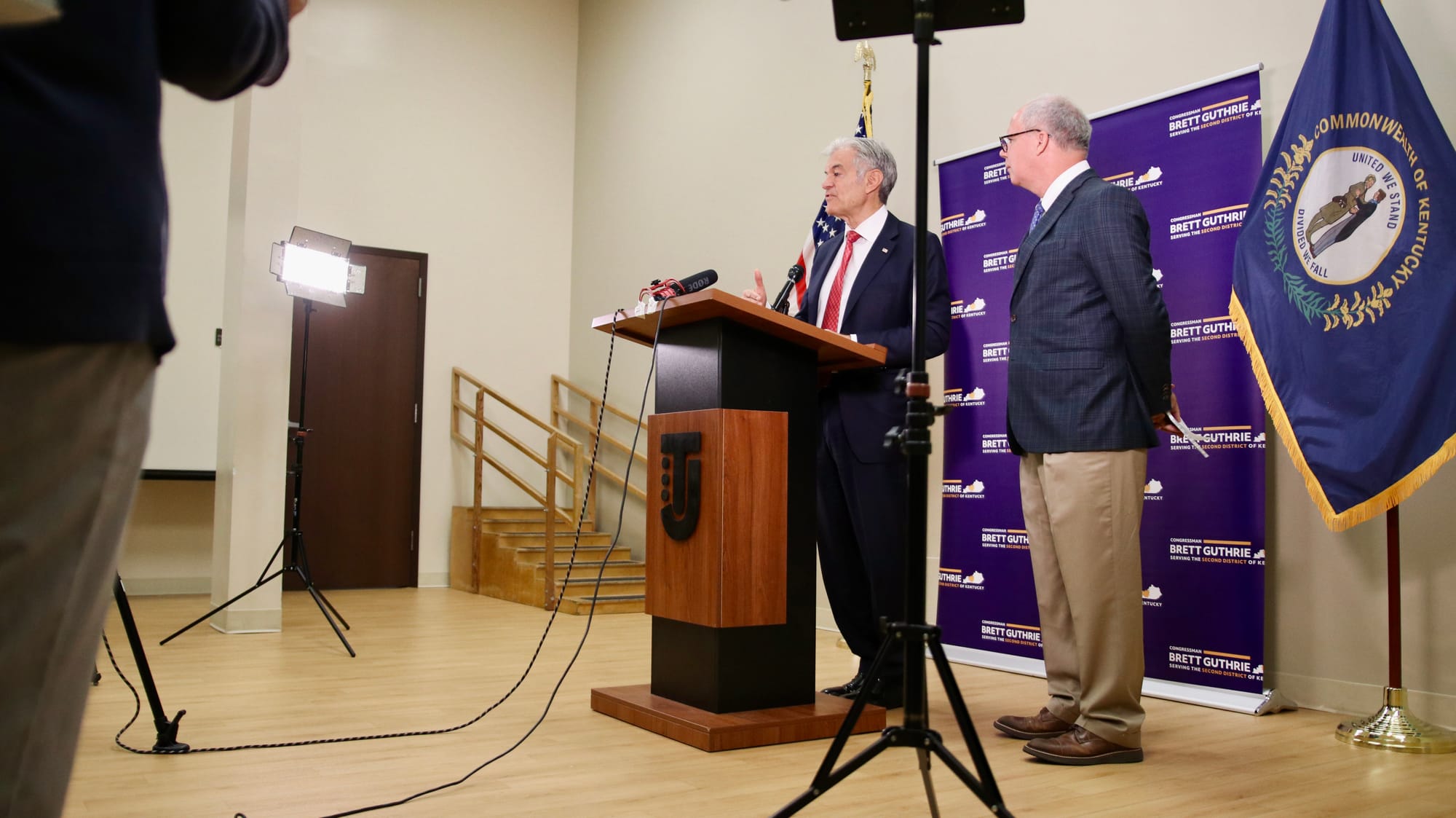
Oz was also asked whether politics could play a role in deciding which states receive rural health funding, particularly whether funding could be withheld from states led by Democrats.
He said the application and grading process used to determine the awards was impartial and involved “third-party experts.”
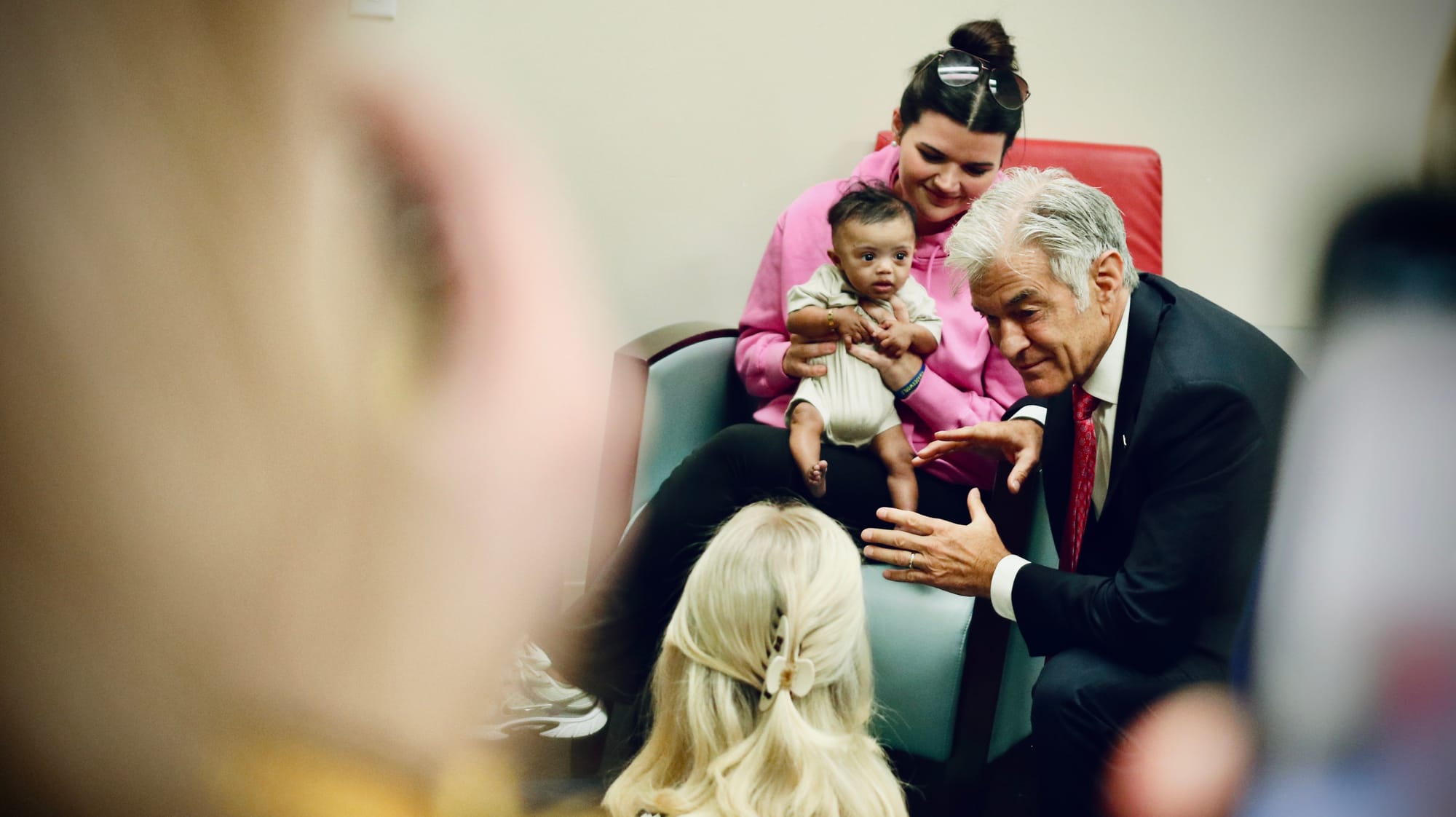
Following the roundtable, Guthrie and Oz continued their tour of T.J. Health Pavilion, meeting with employees and patients. They ended the visit in a pediatric gymnasium, where they spent a few minutes playing with children before taking questions from the press.