
Barren County zoning plan clears first hurdle amid citizen concerns
Barren County Fiscal Court, the county’s legislative body, has the authority to enact the legislation and must approve the Planning Commission’s recommendations through two readings.
What you need to know:
- The Joint City-County Planning Commission unanimously advanced Barren County’s proposed zoning ordinance, land-use maps and fee schedule to Fiscal Court.
- Residents raised concerns about data center development, property rights, the pace of the process and the proposed regulations’ effect on land use.
- The proposed ordinance establishes 10 zoning classifications covering residential, commercial, industrial, agricultural and public uses.
- Barren County Fiscal Court has final authority over the proposals and must approve them through two readings. Magistrates cannot amend the recommendations and must send them back to the Planning Commission if changes are needed.
GLASGOW, Ky. — The Joint City-County Planning Commission voted Monday to advance a proposed zoning ordinance, land-use maps and fee schedule to the Barren County Fiscal Court, bringing the county one step closer to adopting its first zoning regulations.
Barren County magistrates voted unanimously July 21 to direct planning commission staff to develop a comprehensive zoning framework. The Barren County Fiscal Court will have the final say on whether to adopt the ordinance.
A Land-Use Committee was formed to help shape the proposal, a document spanning just over 150 pages. The committee included residents, magistrates and Planning Commission members.
Kevin Myatt, executive director of the Joint City-County Planning Commission, opened Monday’s public hearing with a review of the process behind the proposed zoning ordinance.

County officials held four public listening sessions across Barren County this summer, drawing dozens of residents who shared concerns and feedback.
Residents also had the option to submit comments by mail or email or speak during committee meetings. Myatt reiterated that, including Monday’s public hearing, residents had eight opportunities to provide input on the proposed ordinance.
The proposal places a central emphasis on preserving Barren County’s agricultural roots. It establishes 10 zoning classifications covering a range of land uses, including residential, commercial, industrial, agricultural and public uses.
“It covers a multitude of uses in our regulations, as all zoning ordinances do,” Myatt said.
Citizens weigh in on proposal
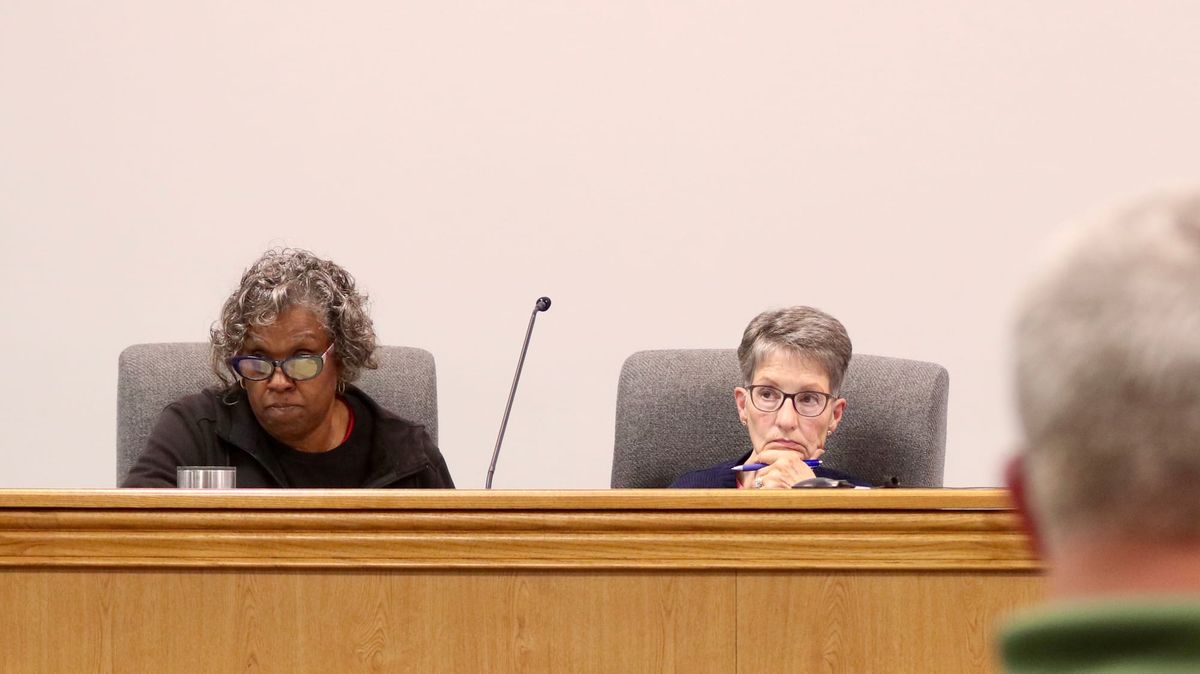
Several residents filled Glasgow City Hall for the Planning Commission’s monthly meeting, with several taking the opportunity to voice their opinions on the proposed zoning ordinance before the commission voted.
When the hearing was opened to those wishing to speak in favor of the proposed regulations, no one came forward. The commission then closed that portion of the hearing.
Several residents spoke out against the proposed regulations, raising concerns about how they would govern data center development. Others argued the ordinance would give local government too much control over private property and land use.
“It has been sad to see our community to divide over this issue — an issue that we did not vote for. We did not elect the current elected officials to give us zoning,” said Chelene Nightingale, whose family moved from California to Kentucky about six years ago. “It’s tyranny, and I don’t like to be told what to do with my property.”
Nightingale said she opposed the proposed regulations and questioned the use of taxpayer funds to enforce them. She also said she has enjoyed living in a place without zoning regulations.

Martin Peterson of the Hollow Road area asked several questions about the ordinance, namely whether it was too restrictive for the current stages of development happening in the community.
“I just want to make sure we all understand that we’re losing some authority that we might have over our property,” Peterson said. “Are we really experiencing, or soon to see, this spurt of growth or industrial enterprises in the rural areas of Barren County?”
Some residents said they had insufficient time to review the more than 150-page document, which had been available on the Planning Commission’s website throughout the drafting process.
David Buckingham, representing the Red Cross community, urged the JCCPC to slow the process, citing confusion among residents and raising questions about the potential impacts of the proposed ordinance.
“This is way too much, way too fast, and I don’t think anybody in the county really understands how it’s going to affect us,” Buckingham said.
Robert Snee, of the Haywood community, focused his remarks on the proposed regulations governing high-intensity technological infrastructure (HITI), expressing concerns about noise limits and arguing they should be more stringent.
The draft ordinance defers to existing state statutes for penalties related to noise violations, which can include fines and misdemeanor charges.
Snee argued that penalties for violations should be more severe, saying the proposed fines and other consequences would not be significant enough to affect businesses engaged in that type of development.
“A $500 fine is not going to be a burden to a multi-billion dollar industry or business. It needs to be a significant, daily fine that impacts their business and isn’t just considered the cost of doing business,” Snee said.
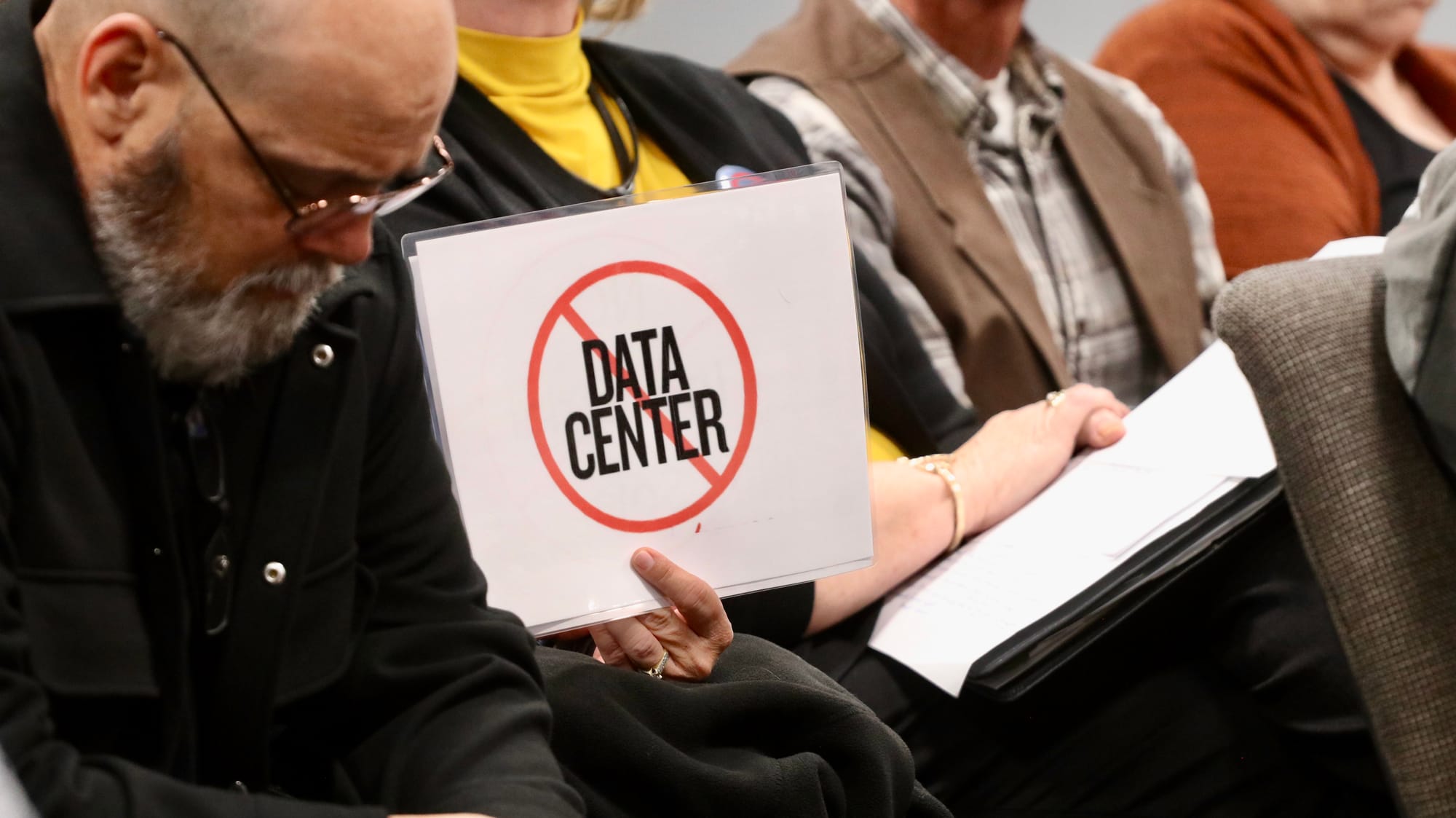
Snee acknowledged that data centers could not be banned outright but advocated for limits on their size. A member of the Planning Commission staff interrupted him mid-sentence to inform him that his allotted speaking time had expired.
Residents were given five minutes each to address the commission.
A few residents offered Snee portions of their speaking time, prompting Joint City-County Planning Commission Chairman Tommy Gumm to clarify that time-sharing was not permitted because the rule had not been established before the hearing began.
Cave City Councilwoman Leticia Cline also spoke during the hearing portion for people against zoning. However, she said she believed growth must be regulated.
“No one likes to be told what to do with their property,” Cline said. “However, I do feel like if you really, truly want your county to grow and to love where you live, you have to have some kind of regulations or this is going to happen.”
Cline asked about how a specific property would be classified under the proposed ordinance if it were returned to Barren County’s jurisdiction rather than remaining within Cave City.
The property is currently within Cave City’s boundaries, but a landowner seeking to develop a data center campus there has challenged the city’s 2024 annexation of the land into its city limits.
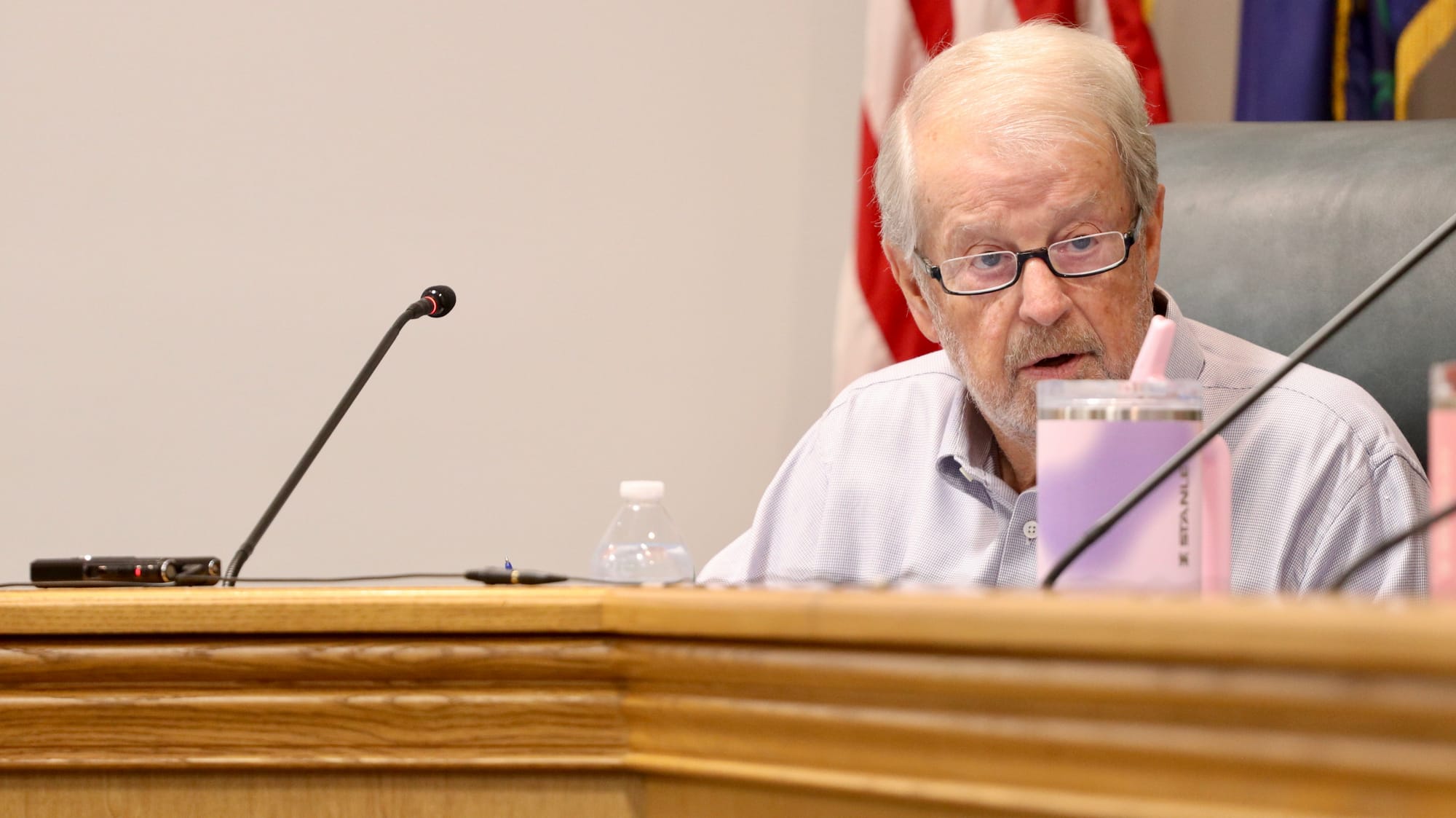
Myatt said the property would likely be classified as Rural Residential, the proposed designation for most of the county, or assigned a zoning classification consistent with the Comprehensive Plan.
The plan serves as a long-term development guide that the Planning Commission is required to update every few years.
Cline also echoed residents’ concerns that both sides of the data center debate have moved too quickly.
“This is happening fast, and it’s scary. Anything that happens fast is scary,” she said. “But it’s happening fast on both ends — this end of trying to get ahead of it, and the end we didn’t see coming.”
One resident posed a pointed question to each Commission member: “Who asked the community what do you want?” No one responded. He used his allotted time to speak out against data centers and zoning regulations more broadly.
Commission members generally refrain from debating the proposal during formal public testimony, reserving discussion for deliberations after the hearing closes.
“Nobody asked if we even wanted this. You all are pushing this,” said James Clark of Haywood. “If you don’t build the dagum thing, we don’t have to talk about zoning.”
Discussions around the proposed maps
Joey Crist, co-owner of Kentucky Industrial Alliance, which is seeking to develop a hyperscale data center campus on property in Cave City, spoke in opposition to the proposed zoning map.
Crist said the map designates his company’s property just outside Cave City limits as Rural Residential, arguing it should instead be classified as heavy industrial, consistent with the current future land-use map, to reflect its anticipated use.
Myatt reiterated that the proposed map reflects the property’s current use, a characterization Crist disputed. Crist said his company had invested millions of dollars to prepare the property for industrial development.
Commission members unanimously approved the proposed land-use map.
The commission also held a third public hearing on proposed amendments to the existing future land-use map, which was adopted as part of the 2024 Barren County Comprehensive Plan.
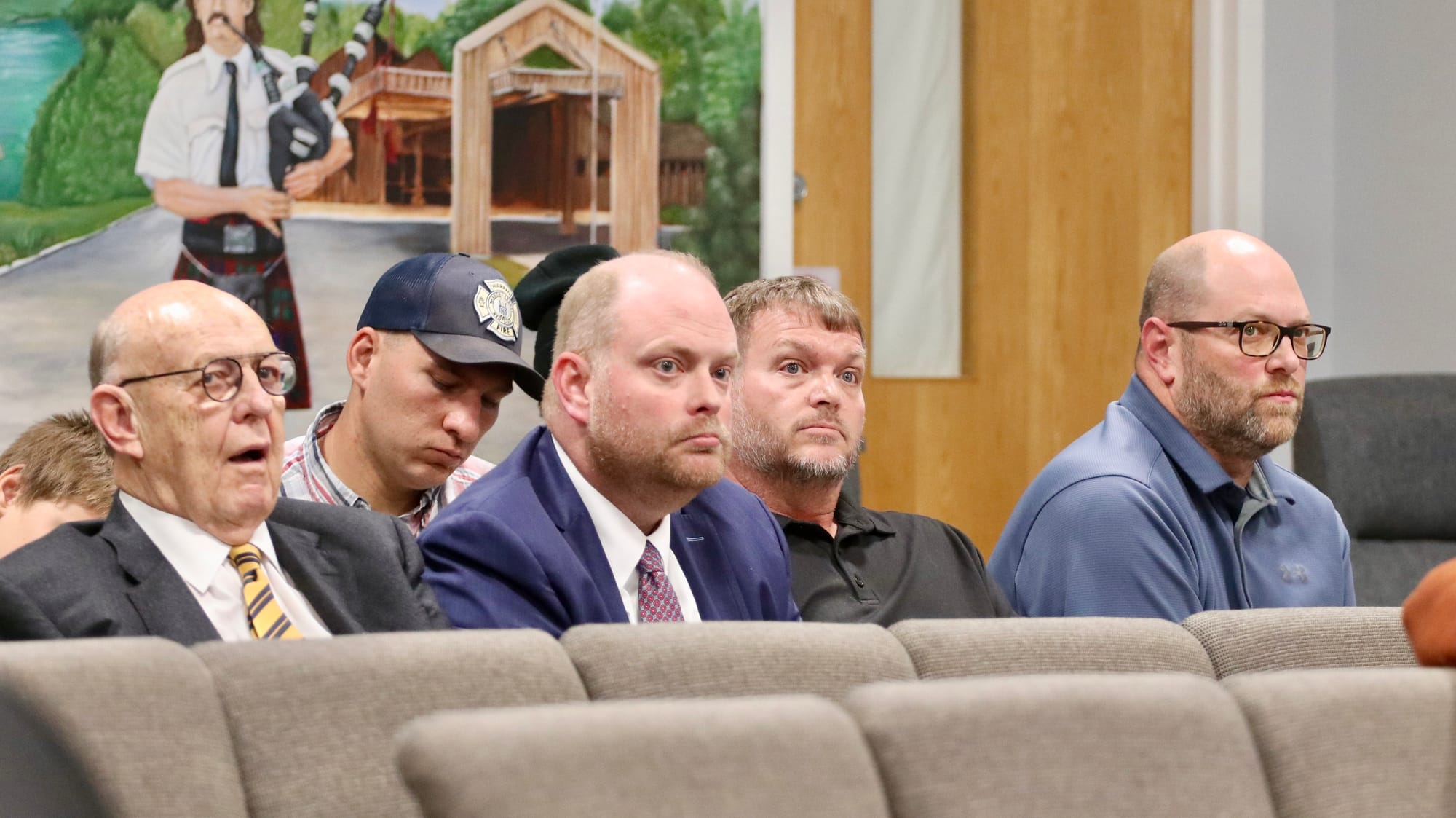
Rebecca Tracy, who identified herself as a farmer, questioned why the proposed map designates most of the county as Rural Residential rather than agricultural.
Myatt explained the the district is designed to protect agricultural uses while allowing low-density, single-family homes along existing county and state roads outside established subdivisions.
The classification is intended to reduce bureaucracy, particularly when landowners want to subdivide their property, such as when giving a portion of a farm to someone to build a home.
“They could cut that half-acre off for their child or grandchild without having to go for a zone change because it doesn’t change the neighborhood characteristics there already,” Myatt previously told Barrenside.
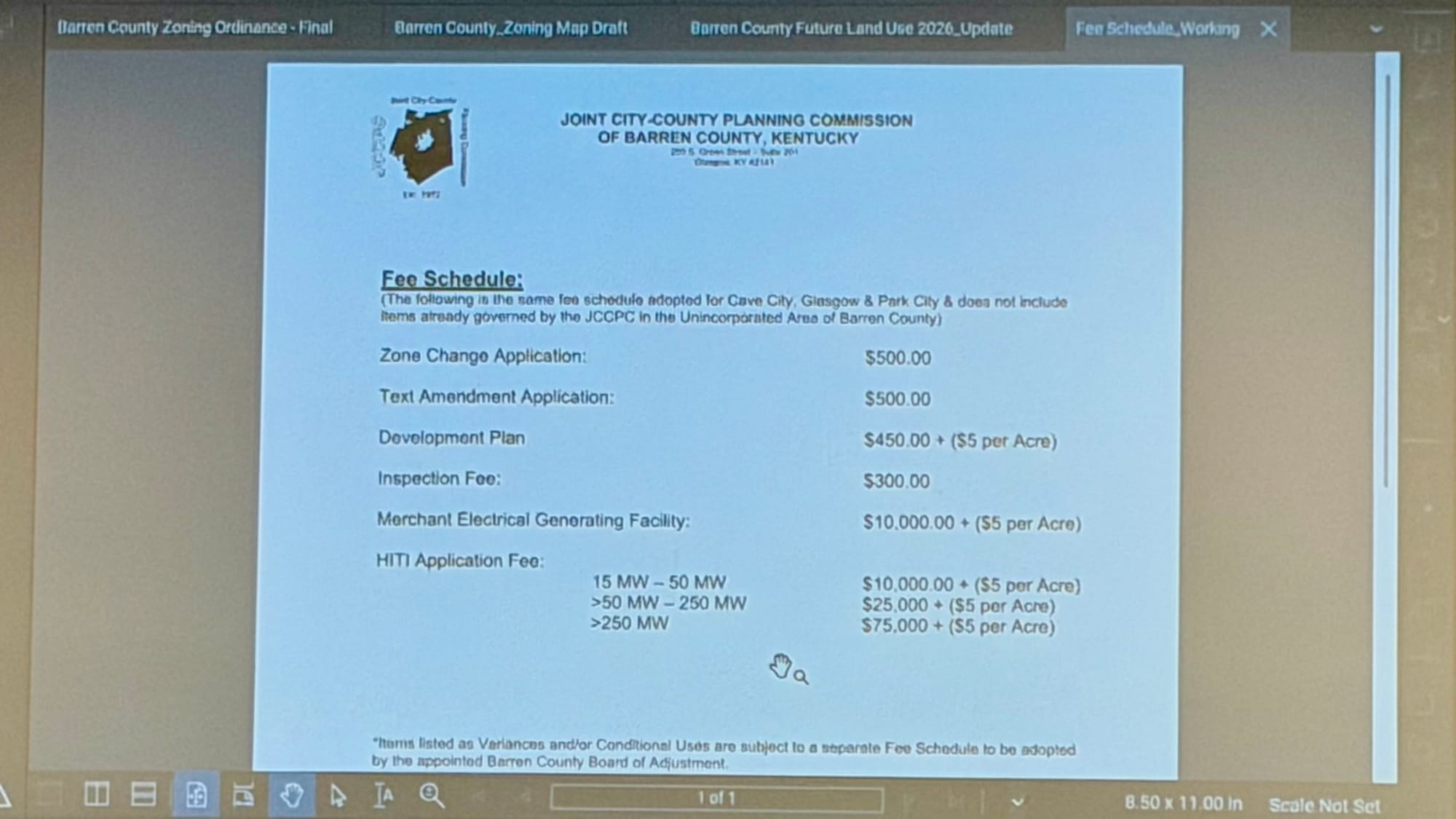
Commissioners also approved a proposed fee schedule covering activities such as zone change applications, text amendments, development plans and inspections.
The proposed fee schedule mirrors those used by Glasgow, Cave City and Park City. It also establishes application fees for merchant electrical generating facilities, such as solar farms that sell power wholesale, and high-intensity technological infrastructure (HITI) developments, including data centers.
Those fees ranged from $10,000 to $75,000, plus a $5 per acre.
What happens from here?
The proposed Barren County Zoning Ordinance, zoning map, amendments to the future land-use map and fee schedule will now move to the next stage of the approval process.
The Planning Commission has scheduled a special-called meeting for Thursday at 5 p.m. at Glasgow City Hall, where members could certify the minutes from Monday’s meeting. The minutes must be certified before the proposals can advance to magistrates.
Barren County Fiscal Court, the county’s legislative body, has the authority to enact the legislation and must approve the Planning Commission’s recommendations through two readings.
Barren County Attorney Mike Richardson said he would draft formal ordinances for magistrates to consider adopting the proposals.
Richardson said no further public comment would be accepted to revise the proposals during the approval process. Magistrates cannot amend the Planning Commission’s recommendations; they must vote to adopt or reject them as submitted.
If magistrates believe changes are needed, the proposals would have to return to the Planning Commission for revisions.
If Fiscal Court rejects the recommendations, the commission would need to repeat the applicable drafting and public hearing procedures before resubmitting them.
Richardson did not provide a firm date for when the recommendations could come before Fiscal Court. The measures must receive majority approval in two readings before taking effect as local law.