Glasgow Police Department sues over AG ruling on body camera footage
In a May 14 decision, Assistant Attorney General Zachary M. Zimmerer concluded the department improperly denied Jones’ request by limiting access to viewing the footage in person.
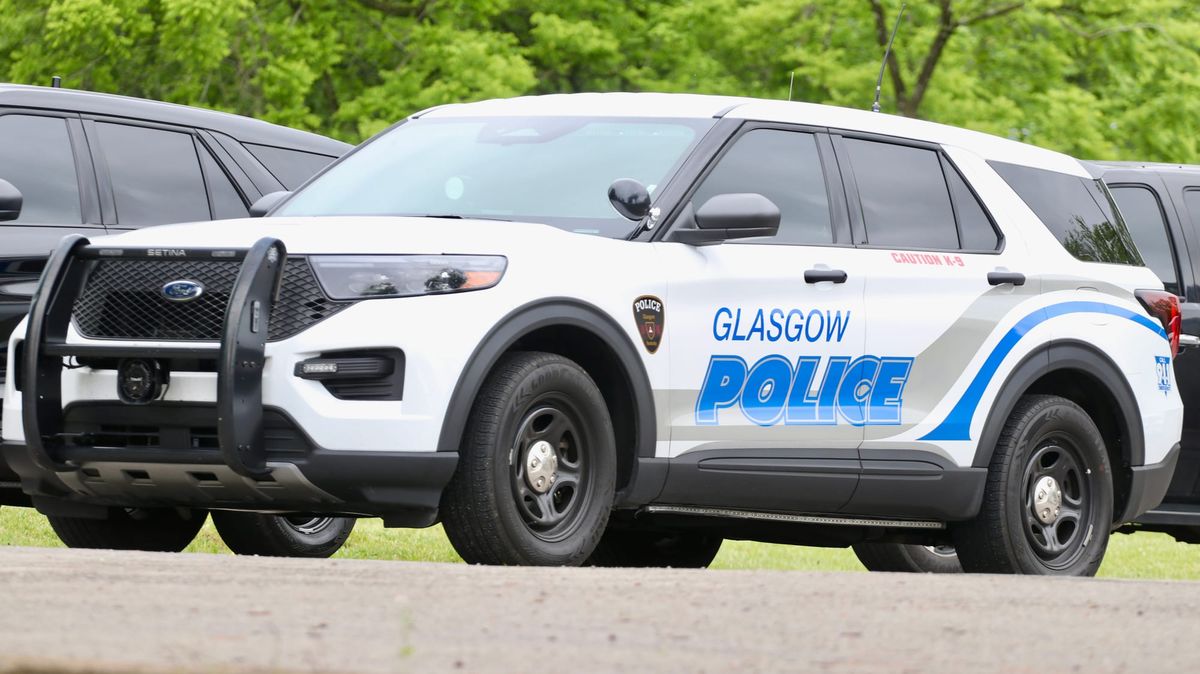
GLASGOW, Ky. — The Glasgow Police Department is asking a court to overturn a Kentucky Attorney General’s ruling that found the department violated the state Open Records Act by refusing to provide copies of requested body camera footage and instead offering only in-person viewing.
The dispute stems from a request by Samantha Jones for body and dash camera footage related to a Nov. 15, 2025, police response at Adams Place that led to the arrest of Cody Vibbert.
Vibbert was bloodied when officers, including members of the Glasgow Police Department, carried him from an apartment following his arrest.
In a May 14 decision, Assistant Attorney General Zachary M. Zimmerer concluded the department improperly denied Jones’ request by limiting access to viewing the footage in person.
Under Kentucky’s Open Records Act, the public generally has the right to inspect government records and obtain copies unless a specific exemption applies. Individuals can also ask the attorney general to review whether a denial was lawful.
 Brennan Crain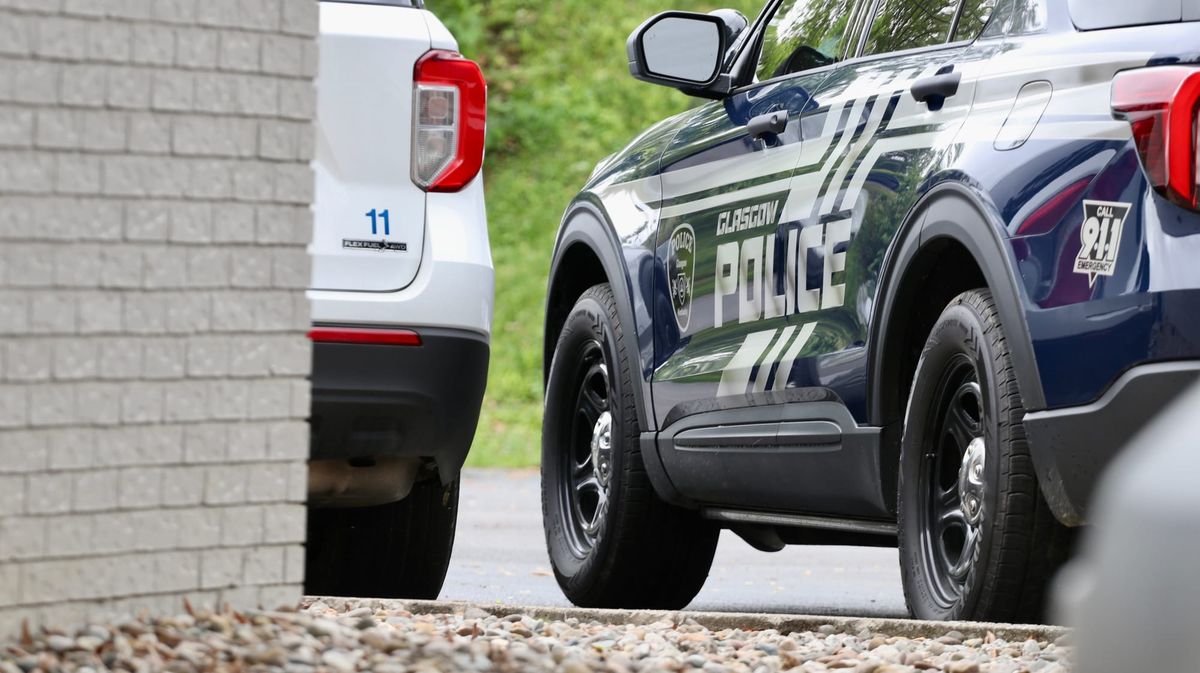
The Attorney General’s Office said Kentucky law gives requesters the right to choose whether to inspect records in person or receive copies, provided no specific statute limits that right.
Jones argued the department misapplied the law by refusing to provide copies of the recordings, calling the decision an “improper limitation of access.” She said the offer to view the footage in person amounted to a “constructive denial.”
“Audiovisual records cannot be meaningfully reviewed, preserved, or analyzed through mere inspection, particularly where the requester is not located within immediate proximity to the agency,” Jones said.
Court records show Jones lives in Cadiz, about 125 miles west of Glasgow.
She further argued that state law guarantees the right to inspect and obtain copies of public records and does not allow agencies to provide “inspection-only access as a categorical substitute for duplication.”
After the ruling, the City of Glasgow filed suit in Barren Circuit Court on June 15, asking a judge to overturn the attorney general’s opinion, which it said was “erroneous and should be reversed.”
In court filings, the city argues it met its legal obligation by offering Jones the opportunity to view the footage in person, including options outside normal business hours, and says the law does not require agencies to produce copies if reasonable inspection is available.
“The Open Records Act guarantees the right to inspect public records,” the department said in its response.
It also argued that concerns over distribution of the footage supported its decision to limit access to in-person viewing, noting that “the ongoing status of the case underscores the sensitivity of the records at issue.”
The department said Jones may be seeking the footage for commercial purposes through monetized social media platforms.
A copy of the open records request obtained by Barrenside shows Jones indicated she was seeking the records for a commercial purpose but did not specify how the footage would be used.
Jones is affiliated with Midwest Safety, a YouTube channel with more than 4 million subscribers that publishes law enforcement body camera footage and other public records content, according to court records.
“Providing copies under these circumstances would facilitate redistribution of the records in a manner inconsistent with the Act’s intended balance between access and responsible use,” Glasgow Police Department said.
Jones did not immediately respond to a request for comment. As of Tuesday afternoon, she had not filed a response to the lawsuit, and no hearing had been scheduled.